A polished render can still leave a project’s defining qualities unexplained. High-end architectural visualisation is not simply a matter of technical finish; it is strategic communication that helps each audience understand the design. For developers, architects and property marketers, generic imagery can blur the distinctions that matter most.
Strong visuals can shape how a proposal is understood. The challenge is to make them accurate, purposeful and aligned with your project objectives. This article explains what distinguishes high-end visualisation, how to assess its quality and how to brief a studio clearly, from design inputs and audience priorities to deliverables and technical specifications.
It also explores how CGI architectural visualisation can serve planning, investment and marketing audiences, and where real-time rendering with Unreal Engine and AI-driven visualisation fit into a considered workflow. The focus is practical: selecting an approach that communicates design intent with architectural precision and gives your project visual authority.
Key Takeaways
- Assess high-end architectural visualisation by how accurately and clearly it communicates the design, not by visual polish alone.
- Match image composition, detail and technical approach to the audience and the decisions the visuals need to inform.
- Brief the project in sequence: set the objective, define the audience, clarify design inputs and specify required deliverables.
- Evaluate a studio’s understanding of your project, communication process, technical capabilities and collaborative fit.
- Use visual authority to help stakeholders interpret an unbuilt proposal with greater clarity and confidence.
What Makes High-End Architectural Visualisation a Strategic Asset?
A compelling image must do more than attract attention. High-end architectural visualisation translates an unbuilt proposal into clear, accurate communication, shaped around what each audience needs to understand. Its strategic value lies in helping stakeholders interpret the design and its defining qualities, not in visual polish alone.
“High-end architectural visualisation combines architectural precision, purposeful storytelling and audience insight to communicate design intent clearly.” This is the difference between an image that simply looks impressive and one that supports meaningful discussion. Visual authority comes from consistency between the representation and the proposal. When imagery is credible and legible, people can focus on the project rather than question what they are seeing.
How Visualisation Communicates an Unbuilt Project
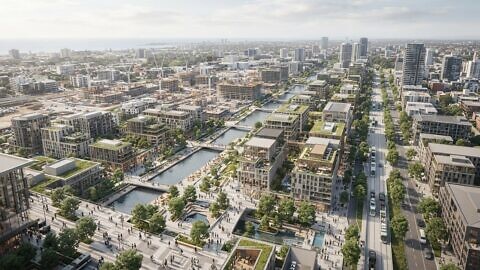
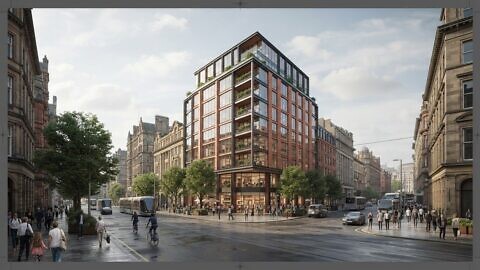
Plans and technical drawings contain essential information, but readers need to interpret lines, symbols and dimensions. CGI can make scale, spatial relationships, circulation and the relationship between a building and its setting easier to grasp. A carefully chosen viewpoint, for instance, can explain how an entrance meets a public space or how an interior connects to an outdoor area.
The emphasis should shift with the audience. Planning discussions may need clear views of massing and context. Investment communication may need to explain the development’s overall proposition. Marketing imagery may focus on how spaces are intended to feel and function. The foundational history and applications of the medium are outlined in Architectural visualisation.
Visuals can clarify a proposal, but they cannot guarantee planning approval, investment or commercial success. Their role is to represent the design clearly enough for informed consideration.
Why High-End Work Goes Beyond Photorealism
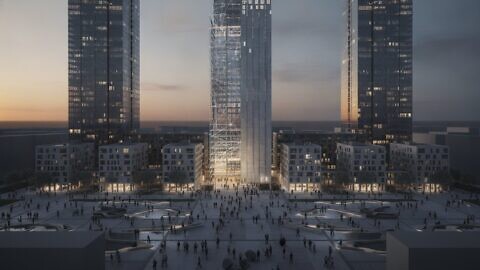
Photorealism is not a strategy on its own. Composition directs attention, while lighting, viewpoint and visual sequence establish emphasis. Together, these choices can make a project’s distinguishing features easier to recognise, provided the story remains faithful to the scheme and relevant to its audience.
Architectural precision means adhering to the supplied design intent and dimensions. A beautiful image that misrepresents proportions, materials or spatial relationships can weaken confidence rather than build it. Accurate modelling and considered presentation protect the integrity of the communication.
Think of the imagery as a strategic asset: it should answer a communication need, reinforce understanding and remain appropriate to its intended use. For wider context on the service itself, the article Architectural Visualisation Services: The 2026 Strategic Authority Guide explores the broader role of architectural visualisation.
The Elements That Define High-End Architectural Visualisation
Quality is not a single setting in a rendering engine. High-end architectural visualisation brings together design fidelity, visual hierarchy, technical method and audience fit. Each element should serve the communication task. A technically accomplished image can still miss its purpose if it obscures the design or speaks to the wrong audience.
Design Fidelity, Composition and Narrative
Composition determines how that information is read. Framing can bring a key entrance, public space or interior connection into focus, whilst visual hierarchy helps viewers distinguish the main design message from secondary detail. The aim is not to make every feature equally prominent or dramatise a scheme beyond its intent. It is to guide attention without distorting the project.
Narrative should follow the audience’s questions. A planning-focused view may need to explain form and context. An investment presentation may call for a clear account of the development’s overall proposition. Marketing imagery can give greater attention to the character of spaces. None is automatically the right approach for every brief.
Real-Time Rendering, CGI and AI in Context
Technical approach should follow the intended use. Real-time rendering with Unreal Engine can support interactive review when stakeholders need to explore a design and discuss viewpoints or spatial relationships. A finished CGI image may be better suited to a presentation or marketing asset where a controlled composition and polished final frame matter most. The choice depends on what the audience needs to do with the visual.
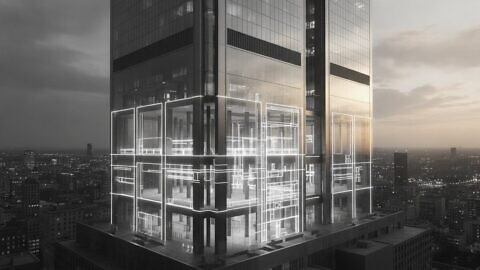
Disruptive CGI and AI-driven visualisation are production approaches, not guarantees of accuracy or impact. Their value depends on how they are applied to the design information, review process and communication objective. Software alone cannot determine whether the output is persuasive or appropriate.
For stills and other visual outputs, 3D rendering and CGI can be shaped around the project’s intended audience and use. Judge the result by its fidelity, clarity and relevance, not by the software name attached to it.
How to Evaluate and Brief a High-End Visualisation Project
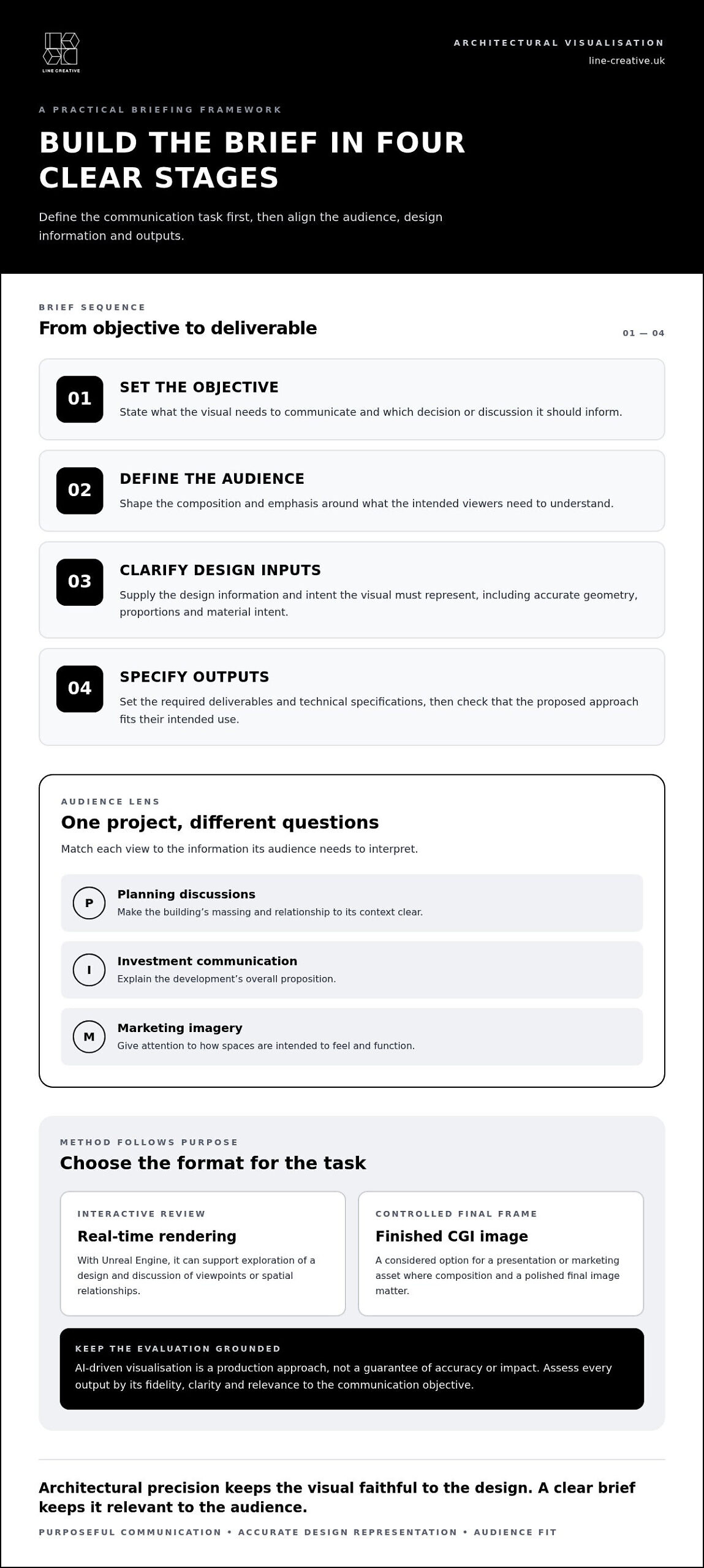
A clear brief turns a visualisation commission into a defined communication task. Set the objective first, then specify the audience, source information and outputs. This sequence helps you assess whether the proposed approach fits the project, rather than selecting imagery before its purpose is clear.
- Define the objective. Separate planning, investment and marketing needs. A planning presentation may need to explain a scheme’s form and context. Investment material may need to clarify the development proposition. Marketing imagery may need to communicate the intended character of a space. These purposes can overlap, but they are not interchangeable. State what the visual material should help its audience understand.
- Name the audience and decisions. Identify who will view the visuals and what questions or decisions they need to address. Are stakeholders assessing spatial relationships, discussing the project’s broader proposition or considering how a space may be experienced? A 3D visual strategy can align viewpoints, narrative and output types with those communication needs.
- Assemble the design information. Provide current drawings and model information, along with relevant dimensions, material intent, reference images and known design constraints. Flag which information is fixed and which remains subject to change. This gives the visualisation team a clearer basis for maintaining design fidelity as the project develops.
- Specify deliverables and programme. Define the required formats, intended platforms, image viewpoints or interactive elements, and the stages at which review is needed. Include key project dates and decision points so the work can be planned around your wider programme. For complex schemes, including mixed-use proposals, the article Architectural Visualisation for Mixed-Use Planning offers related context.
Before commissioning, review architectural rendering examples for how different projects use viewpoint, composition and visual narrative. Assess whether the work communicates a design clearly, rather than judging it only by surface finish. High-end architectural visualisation depends on accurate inputs and a brief that connects the intended output to a real communication purpose.
For a project-specific brief, record the objective, audience, design information and required deliverables before discussing the scope and approach.
Choosing a High-End Architectural Visualisation Partner
The right partner should understand the development as well as the image. For high-end architectural visualisation, technical skill matters, but so does the ability to connect project objectives with a clear visual narrative and outputs suited to the people who need to understand the scheme.
Assess Strategic and Technical Fit
Start by assessing how the studio interprets your project. Does its approach reflect the development’s purpose, audience and stage? Can it explain why particular viewpoints, visual formats or storytelling choices support the communication task? A considered response should connect these choices to your objectives, rather than treating every commission as a request for attractive images.
Line Creative brings 3D visual strategy together with architectural visualisation, disruptive CGI and AI-driven visualisation. Real-time rendering with Unreal Engine is another capability, suited to briefs where interactive exploration supports the project’s communication needs. These are distinct approaches, not automatic solutions. The relevant question is how each can serve your intended audience and use.
Technical fit also depends on handling design information with care. A strong working relationship should support clear discussion of source material, design changes, review points and intended deliverables. This helps keep visual decisions aligned with the project as it evolves, while preserving a consistent account of the design.
Move from Evaluation to a Project Conversation
Before opening a project discussion, bring the brief into focus. Summarise:
- Audience: who needs to understand or respond to the visuals?
- Purpose: are you communicating for planning, investment or property marketing?
- Design information: which drawings, models, dimensions and material references will inform the work?
- Deliverables: what visual formats and outputs will support the intended use?
- Programme: what project milestones, review stages and decision dates should shape the commission?
This information gives the studio a practical basis for discussing scope and approach. Line Creative tailors commercial proposals to each commission, taking into account project complexity, available design information, the number of deliverables and programme. The aim is a strategic partnership grounded in clear communication, technical understanding and a shared view of what the visuals need to do.
Shape the Next Stage of Your Project Communication
As a development moves from concept towards delivery, its communication needs can shift. The audiences, decisions and channels in focus today may not be the same at the next milestone. Treat high-end architectural visualisation as part of that evolving communication plan, with a clear purpose for each output and room to adapt as project information develops.
Bring the project’s current priorities into focus: what needs to be understood, by whom and at which stage? That gives the visualisation process a firm point of departure and helps keep creative decisions connected to the project’s intent. Line Creative combines long-standing industry knowledge with disruptive CGI and AI technologies, alongside real-time rendering with Unreal Engine.
When you’re ready to shape the visual direction for your development, discuss your project with Line Creative.
Frequently Asked Questions
Is high-end architectural visualisation only useful for marketing?
No. It can also support internal design reviews, where teams use visuals to compare options or communicate a proposal to people who don’t work with architectural drawings every day. For example, a visual can help a project team discuss the effect of a changed entrance layout before settling on a preferred direction. Define the intended use from the outset, so each output is prepared for the conversation it needs to support.
Can architectural visualisation begin before a design is final?
Yes. Early-stage visuals can help teams communicate a developing proposal, provided they distinguish established design decisions from elements still under consideration. One practical approach is to record key assumptions alongside the visual material, such as which elements are illustrative and which reflect agreed design information. This gives reviewers useful context and reduces the risk of treating a concept image as a final representation.
Does high-end architectural visualisation require a BIM model?
No. A BIM model isn’t essential for every visualisation commission. What matters is having source information that can be interpreted consistently, whether that is a model, drawings or other design references. Before work begins, identify the current versions of those files and note any discrepancies between them. This helps prevent conflicting source material from creating avoidable questions during production and review.
How long does an architectural visualisation project take?
There’s no standard duration that applies to every project. To plan effectively, map the review and approval points between the first production stage and final sign-off. Decide who will consolidate comments, how feedback will be returned and which project milestone the visuals must support. Clear decision-making arrangements can help avoid pauses caused by conflicting or late-stage feedback.
Can AI replace architectural visualisation?
No. AI can contribute to a visualisation process, but it isn’t a substitute for the judgement required to select, develop and present project imagery. Treat it as one possible production approach, then assess whether the resulting material is suitable for its intended format and use. A concept visual for early discussion, for example, may serve a different role from a final image prepared for external publication.