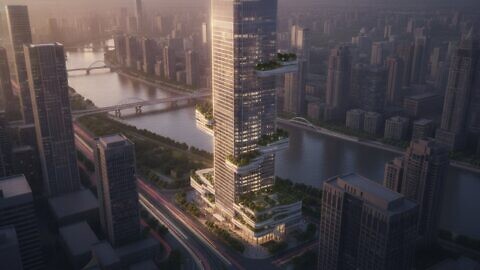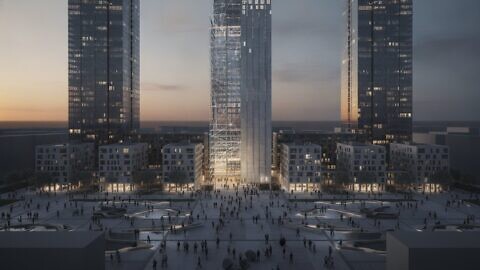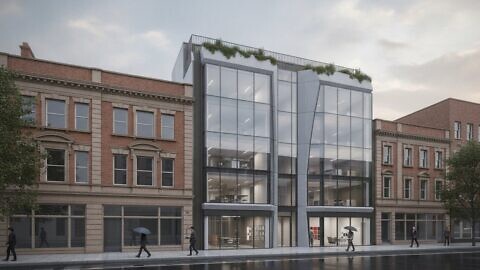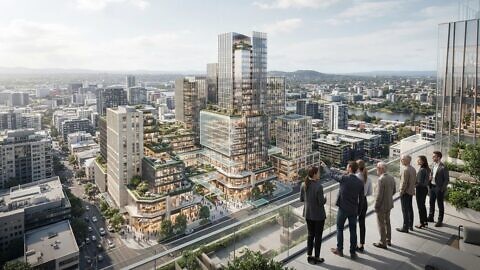
Can your current visual strategy survive the scrutiny of a global investment board or a complex planning committee? In the world of high-stakes property development, the gap between a standard “CG” image and a photorealistic narrative is often the difference between a greenlit project and a stalled one. You likely recognise that internal teams, while capable, often lack the disruptive technology and specific creative flair required to command international attention. The decision to outsource 3D rendering is no longer just a tactical move to manage overflow; it’s a strategic necessity for those who refuse to compromise on market authority.
You need a partner that understands the gravity of your deadlines and the nuances of your design. This guide provides a definitive framework for transitioning from in-house limitations to world-class architectural visualisation. We’ll examine how to eliminate miscommunication, secure planning for mixed-use schemes, and use compelling storytelling to accelerate pre-sales. It is time to move beyond simple service provision and embrace a partnership that safeguards your investment through aesthetic perfection, technical precision, and unwavering reliability.
Key Takeaways
- Understand why leading firms move beyond in-house limitations to leverage the disruptive technology and emotive storytelling required for high-stakes global projects.
- Learn how to vet potential partners for “Design Intelligence” to ensure your studio understands architectural intent rather than just producing technical imagery.
- Discover the strategic workflow required to outsource 3D rendering effectively, moving from 2D plans to a narrative that captures the project’s soul.
- See how world-class CGI de-risks complex mixed-use schemes and secures crucial approvals from rigorous planning committees and investment boards.
- Master the art of using high-fidelity visuals to attract international investment and accelerate property pre-sales through sophisticated, story-driven visualisation.
The Strategic Imperative: Why Leading Firms Outsource 3D Rendering
Property development at the highest level is an exercise in risk management and persuasion. For years, architectural visualisation was treated as a commodity, a final box to tick before a presentation. That era has ended. Today, the most successful global firms recognise that visuals are strategic assets designed to secure planning, attract multi-million pound investments, and establish market authority. Leading architectural practices increasingly choose to outsource 3D rendering to transcend internal limitations and access a level of CGI excellence that defines the modern skyline.
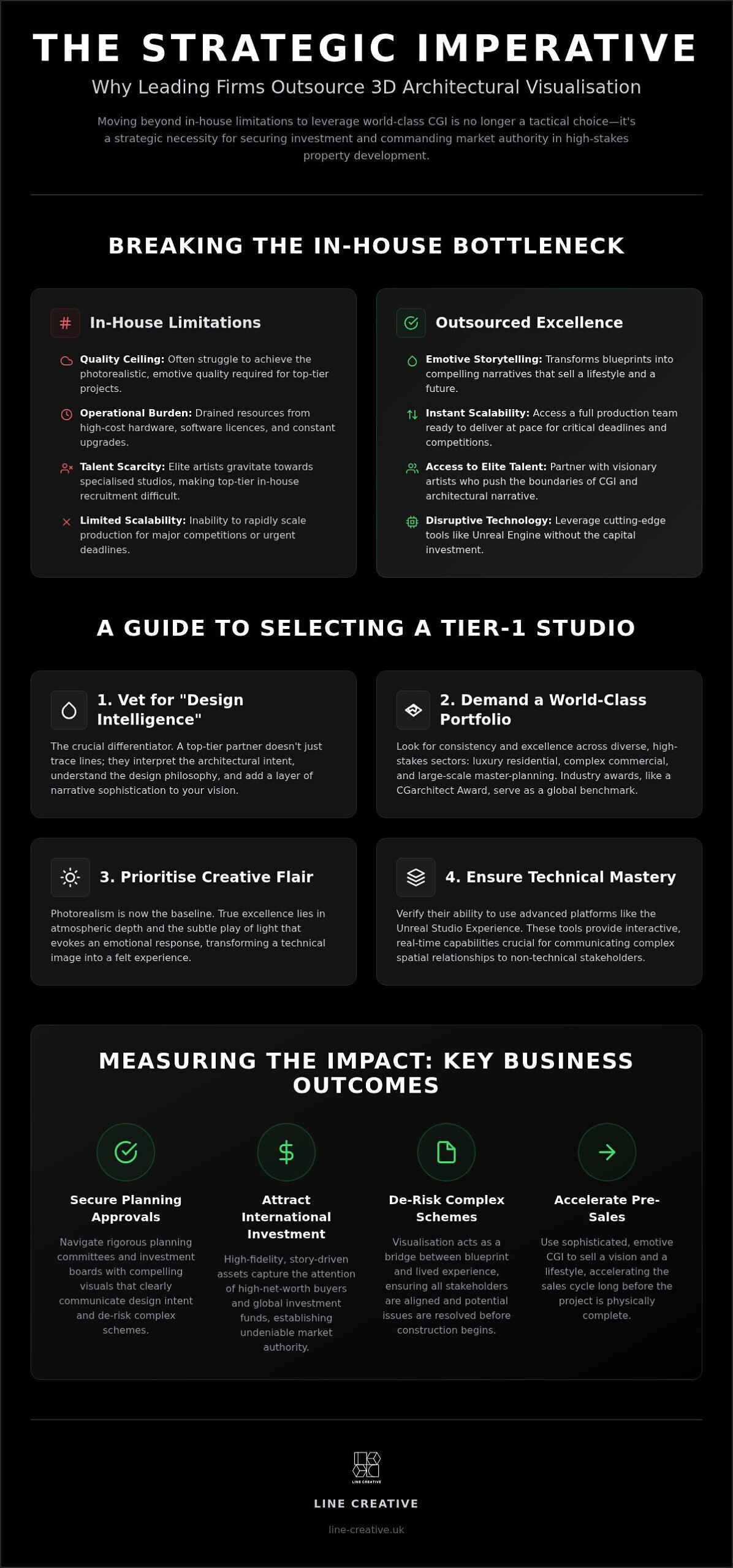
The 3D rendering process has evolved into a highly specialised discipline. Whilst an in-house team might manage standard elevations, they often hit a “quality ceiling” when faced with disruptive technologies like real-time rendering or Unreal Engine. By partnering with a specialist studio, you bypass the need for massive capital investment in hardware and software. You gain immediate access to a visionary perspective, ensuring your project isn’t just seen, but felt by every stakeholder involved.
Breaking the In-House Bottleneck
Maintaining a world-class CGI department internally is an operational burden. The hidden costs of high-end render farms, perpetual software licences, and the constant cycle of hardware upgrades can drain a firm’s resources. Beyond the financial cost, the talent acquisition challenge in a hyper-competitive market is relentless. Elite artists are rarely looking for in-house roles; they gravitate towards specialised studios where they can push the boundaries of the craft. When you outsource 3D rendering, you gain the ability to scale production capacity instantly. Whether you are entering a major international competition or facing a critical planning deadline, you have a partner ready to deliver at pace without sacrificing the emotive quality of the final output.
Visual Storytelling as a Competitive Advantage
Technical precision is no longer the benchmark for success. In 2026, planning committees and luxury investors demand more than just accurate geometry; they require a narrative. Emotive CGI acts as a bridge between a blueprint and a lived experience, which is essential when attracting international hospitality brands or high-net-worth buyers. We have moved from simple “visuals” to narrative-driven assets that sell a lifestyle and a future. A strategic partner doesn’t just render a building. They curate an atmosphere, using light, texture, and composition to de-risk the project and accelerate the sales cycle long before the first stone is laid. Understanding how a world-class 3D visualisation agency transforms architectural complexity into commercial certainty is essential for any developer operating at this level.
Selecting a Tier-1 Studio: A Buying Guide for High-Stakes Projects
Choosing to outsource 3D rendering is a decision that directly impacts your project’s ultimate viability. You must distinguish between high-volume BPO firms that treat CGI as a commodity and specialist visual communication studios that act as strategic partners. The primary differentiator is “Design Intelligence”. Does the studio actually understand the architectural intent of your scheme, or are they merely tracing lines? A tier-1 studio interprets your vision, ensuring the visualisation reflects the core philosophy of the design whilst adding a layer of narrative sophistication.
Credibility is non-negotiable in high-value sectors. Look for industry-specific accolades, such as multiple CGarchitect Awards, which serve as a global benchmark for excellence. When you review a portfolio, look for consistency across diverse sectors, including luxury residential, complex commercial, and large-scale master-planning. This breadth demonstrates an ability to handle the specific pressures of high-stakes environments where every pixel must serve a commercial purpose.
Technical Excellence vs. Creative Flair
Photorealism is now the baseline. True excellence lies in atmospheric depth and the subtle play of light that evokes an emotional response. High-end studios often leverage the Unreal Studio Experience to provide interactive, real-time capabilities that traditional renders cannot match. One of the key Benefits of Architectural Rendering at this level is the ability to communicate complex spatial relationships to stakeholders who lack technical training. You should prioritise studios trusted by internationally recognised architects, as they’re accustomed to the rigour required for global competition entries and sensitive planning applications.
The Security and Global Reach Framework
High-stakes projects involve sensitive pre-planning data that requires absolute discretion. Robust NDA protocols and enterprise-grade data security are essential safeguards against information leaks. You should also evaluate a studio’s experience in global markets, from the UK and Europe to the Middle East. A “trusted partner” mindset is far superior to a “ticket-system” approach. You need direct access to visionaries who are as invested in your commercial success as you are. If you’re ready to elevate your project’s visual narrative, you might consider how a strategic partnership can redefine your project’s trajectory.
The Workflow of Success: Collaborative Integration and Quality Control
The transition from architectural intent to photorealistic reality requires a methodical, story-driven workflow. When you decide to outsource 3D rendering, the briefing phase serves as the foundation of the entire project. It is not enough to provide 2D plans and material schedules. You must communicate the project’s “soul”. This involves defining the target demographic, the intended atmosphere, and the specific narrative that will secure planning or investment.
A structured feedback loop ensures that the creative process remains focused without becoming stagnant. Quality control milestones are essential safeguards. We move from initial clay renders, which focus on geometry and composition, to lighting studies and final post-production. Each phase allows for precise adjustments to colour grading and atmospheric depth, ensuring the final assets integrate seamlessly into your broader marketing and planning strategies.
Managing the Creative Narrative
Defining “Hero Shots” early in the process establishes a project’s identity. These are the definitive images that will lead your campaign and command attention. Art direction plays a pivotal role in maintaining this vision. Whether you are producing stills, CGI animation, or virtual production assets, consistency is paramount. Every asset must feel like part of a singular, sophisticated story that resonates with high-level investors and planning boards alike.
Communication and Project Management
Clear, actionable feedback is the lifeblood of a successful partnership. Avoid vague descriptors; instead, focus on specific outcomes related to lighting, materiality, or narrative impact. Maintaining version control across global teams is a common challenge for those who outsource 3D rendering, yet it is easily managed with the right platforms and direct communication. Technology is no substitute for human expertise. A dedicated project lead within the studio acts as your primary strategist, ensuring that technical execution always aligns with your commercial objectives. If you are ready to implement a workflow that guarantees excellence, organise a consultation to discuss your next high-stakes scheme.
Measuring Impact: How Strategic Visualisation Secures Planning and Investment
High-stakes projects are judged on their perceived impact long before the first spade hits the ground. Strategic visualisation is the essential safeguard that ensures this perception aligns with your commercial goals. When you choose to outsource 3D rendering, you aren’t merely buying images; you’re investing in a tool that de-risks the entire development lifecycle. From navigating the complexities of planning committees to securing the “buy-in” of international investment boards, the quality of your CGI determines your project’s trajectory. You must leverage photorealistic architectural renders to bridge the gap between abstract design and tangible reality.
Securing Planning Permission for Complex Schemes
The psychological impact of high-fidelity visuals on local authorities cannot be overstated. Ambiguity is the enemy of approval. By providing clear, emotive, and technically accurate representations of a scheme, you remove the guesswork for planning officers and public consultations. This is particularly vital for master-planning, where you must balance grand scale with human-centric detail. Whilst the industry often requires specific technical documents like verified views, it is the narrative-driven CGI that truly persuades stakeholders of a project’s long-term value to the urban fabric. Award-winning visuals have the power to turn “impossible” schemes into approved realities by demonstrating aesthetic perfection and environmental harmony.
Attracting Global Investment and Pre-Sales
Securing high-level international investment requires a presentation that conveys both luxury and reliability. Investors need to see the finished product’s potential before capital is committed. Immersive Unreal Engine walkthroughs allow global stakeholders to experience a space interactively, creating an emotional connection that static plans cannot replicate. This level of sophistication is a prerequisite for those who outsource 3D rendering for high-value hospitality or mixed-use developments. Partnering with a leading 3D visualisation agency that prioritises interactive media and real-time rendering ensures your investment presentation commands the authority required to close global capital commitments. Beyond investment, the ROI of CGI is most visible in property pre-sales. A bespoke visual campaign accelerates the sales cycle, building social media authority and market desire before ground-breaking. You’re no longer just selling a building; you’re selling a future that has already been meticulously visualised. Understanding how to deploy 3D rendering for marketing as a high-conversion asset is the definitive step in transforming abstract concepts into tangible investor certainty.
Elevating Your Vision to Market Reality
The decision to outsource 3D rendering is the definitive step in moving from architectural concept to commercial certainty. You’ve seen how a strategic partnership transcends the technical limitations of in-house teams, providing the disruptive technology and creative flair required for the world’s most demanding schemes. By integrating a story-driven workflow and leveraging high-fidelity visualisation, you de-risk your project for planning committees and command the attention of global investors.
The stakes for your next project are too high for standard visuals that lack emotive depth. You need a partner with a proven record of turning complex master-plans into approved realities. As a winner of multiple CGarchitect Awards and a studio trusted by elite firms like Zaha Hadid Architects and Olson Kundig, we specialise in the high-value mixed-use and luxury hospitality sectors. It’s time to safeguard your investment with aesthetic perfection and technical precision.
Partner with an award-winning CGI studio for your next high-value scheme and ensure your vision achieves the authority it deserves. Your project’s future begins with the right narrative.
Frequently Asked Questions
Is it better to keep 3D rendering in-house or to outsource?
The decision to outsource 3D rendering allows firms to bypass the “in-house ceiling” of hardware costs and talent acquisition. Whilst internal teams manage day-to-day tasks, a specialised studio provides the disruptive technology and narrative flair required for global competitions. You gain immediate scalability and a fresh, visionary perspective that internal departments, often bogged down by administrative design work, cannot consistently maintain.
How much does it cost to outsource 3D rendering for a large-scale project?
How do I ensure my architectural design remains confidential when outsourcing?
Protecting your intellectual property is a non-negotiable standard for any tier-1 studio. We implement robust NDA protocols and enterprise-grade data security to safeguard sensitive pre-planning designs. This ensures that your competitive advantage remains intact throughout the creative process. A trusted partner prioritises discretion, treating your data with the same gravity as the physical site itself.
What technical files do I need to provide to a CGI studio?
To outsource 3D rendering effectively, you should provide comprehensive architectural data including CAD plans, BIM models, and detailed material schedules. Beyond technical drawings, providing mood boards and narrative descriptions helps the studio capture the project’s “soul”. This combination of technical precision and creative intent allows for a seamless transition from 2D blueprints to a photorealistic, emotive reality.
Can outsourced 3D rendering help in winning planning permission?
High-fidelity visuals are instrumental in de-risking complex schemes for planning committees and public consultations. By removing ambiguity, photorealistic renders provide local authorities with a clear, technically accurate vision of the project’s impact. This transparency builds trust and demonstrates a commitment to aesthetic perfection, which is often the deciding factor in securing approval for contentious or high-value urban developments.
What is the typical turnaround time for a bespoke CGI animation?
The timeline for a bespoke property 3D animation depends on the narrative’s length and the complexity of the environment. Whilst simple sequences may take a few weeks, high-end productions involving virtual production or Unreal Engine walkthroughs require a methodical schedule for storyboarding, rendering, and post-production. A dedicated project lead ensures that these milestones align with your critical investment or planning deadlines.