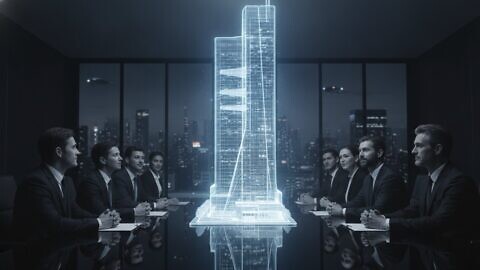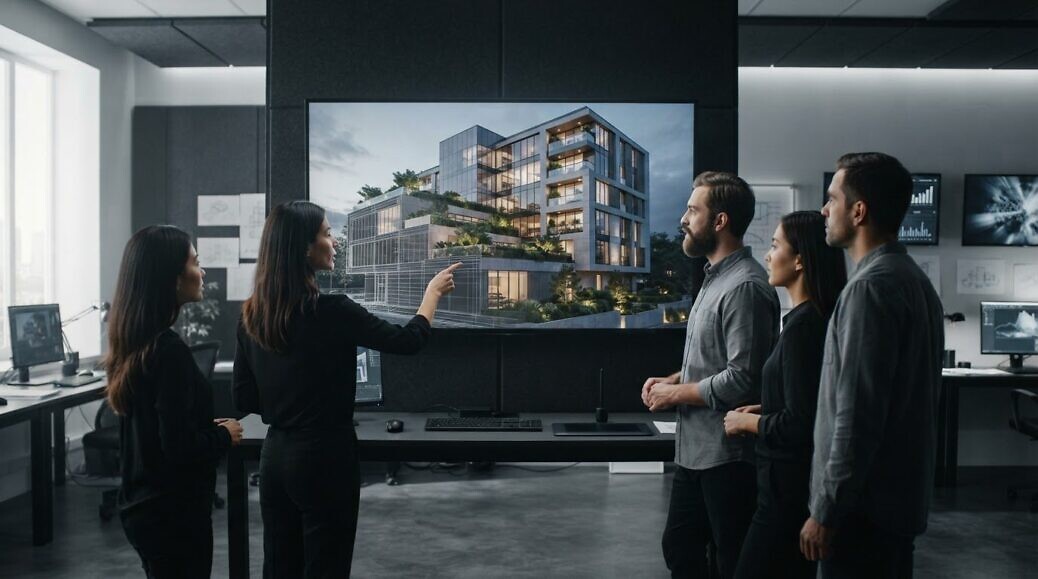
A building or product doesn’t need to exist before its story can be seen. Partnering with the right CGI animation studio can help you create sequences from architectural plans, CAD files, product designs and technical specifications, allowing you to present a proposal before construction or manufacture begins. The essential starting point is clear design information, not a finished physical asset.
CGI is valuable when you need to present an unbuilt development, convey how a space will feel or show a product in use before it reaches production. Choosing a studio is therefore an important decision: visual quality matters, but so do architectural precision, a well-managed production process and the ability to turn technical information into a persuasive visual story.
This guide explains what to assess when choosing a studio, how animation projects move from source material to final sequences, and which factors shape the scope and schedule. You’ll also see how CGI animation and 3D rendering can support planning, stakeholder engagement and marketing, so you can choose a partner whose work serves the project’s real objectives.
Key Takeaways
- You can visualise a building or product before it exists, using plans, designs and technical information as the starting point.
- Understand how CGI and 3D animation differ so you can match the visual format to your project’s communication goals.
- Assess a studio’s technical process, visual quality and ability to translate complex design information into clear sequences.
- Define the animation’s scope, assets and intended use early; these choices shape production requirements and timing.
- Choose a studio whose CGI animation and rendering capabilities align with your architectural or product visualisation needs.
CGI animation definition and uses
Computer-generated imagery, or CGI, uses digital models, materials, lighting and cameras to create visual content. Animation brings those graphics to life across a sequence of frames. Unlike footage captured on location, CGI can depict a building, product or environment that exists only as a design. This matters when you need to explain a proposal before construction or manufacture. An animation studio develops the source material into a controlled visual narrative, from the first camera movement to the final detail.
The history shows how computer graphics evolved from experiment to storytelling tool. The history of CGI animation is traced to Alfred Hitchcock’s Vertigo in 1958. In 1972, Edwin Catmull and Fred Parke digitised a human hand for A Computer Generated Hand, drawing 350 polygons and triangles onto its model. Toy Story, released in 1995, became the first film to receive the Academy Award for Best Animated Feature. These milestones illustrate innovation in modelling, rendering and the depiction of movement.
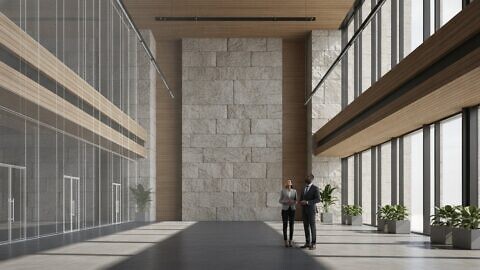
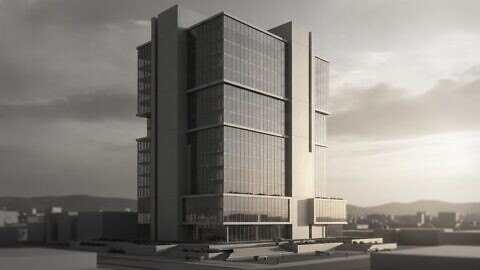
For property teams, CGI can turn architectural drawings into a moving view of a proposed space. A camera can travel from the street through a lobby, showing the relationship between the building’s exterior, circulation and interior finishes. For product teams, a sequence can rotate an object, reveal internal components or demonstrate assembly. In both cases, the visuals focus on what the audience needs to understand, not just what a camera can capture.
Common uses include:
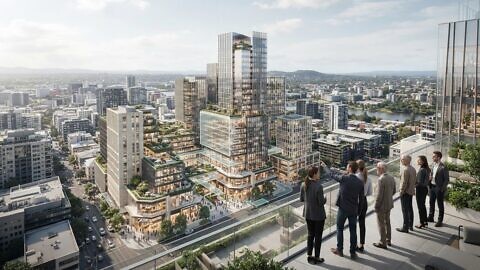
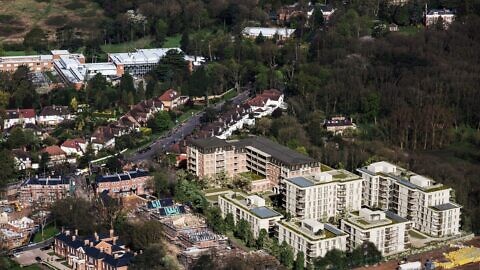
- Development presentations: A site fly-through can explain a building’s massing, entrances and connection to its surroundings.
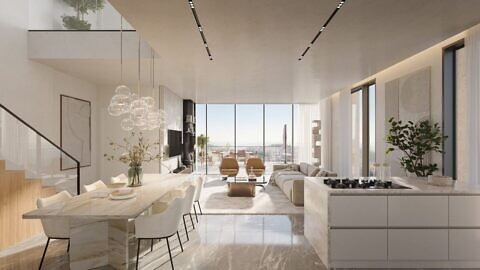
- Design reviews: A room sequence can help architects examine sightlines, material choices and transitions between spaces.
- Property marketing: A finished animation can introduce an unbuilt development to prospective buyers or investors.
- Product communication: A close-up sequence can show surface finishes, moving parts or a product’s intended use.
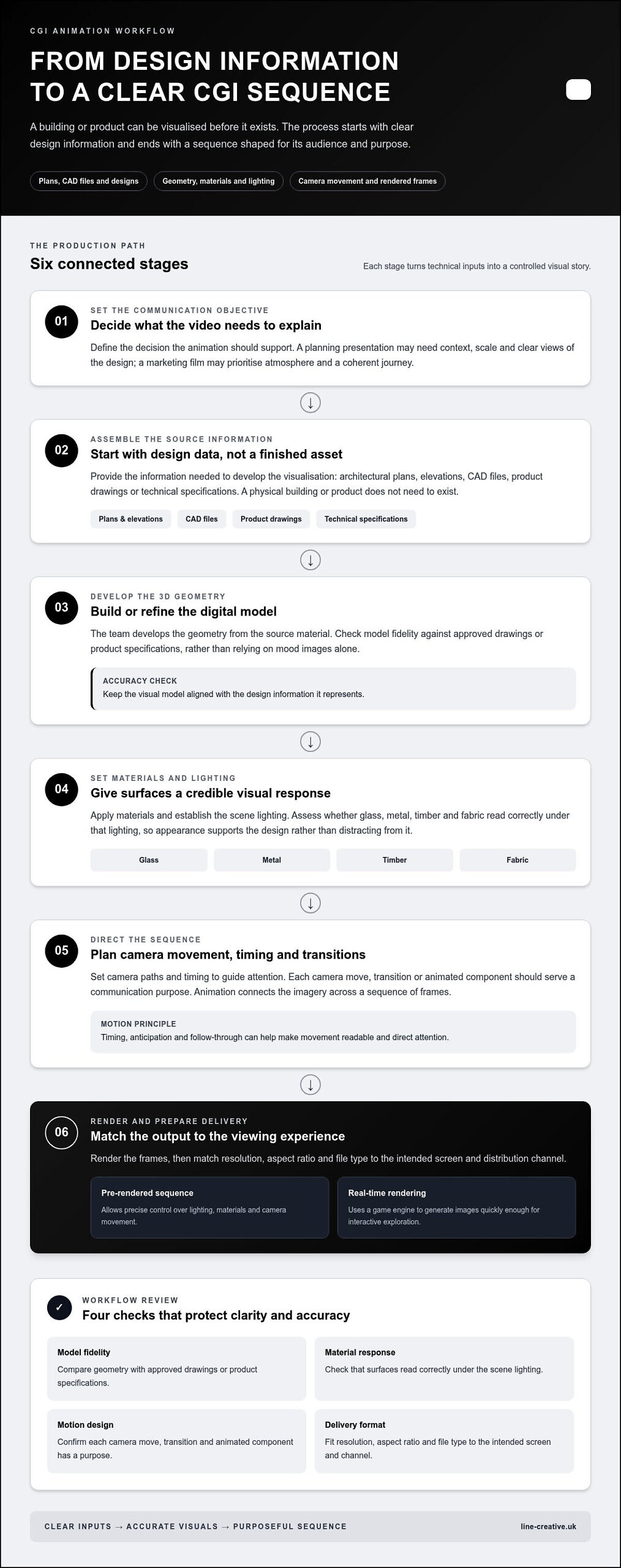
Before production begins, define the decision the video needs to support. A planning presentation may require context, scale and clear views of the proposed design; a marketing film may prioritise atmosphere and a coherent journey. Identify the source material, such as plans, elevations, CAD files or product drawings. The animation team can use these inputs to develop the geometry, camera paths, lighting and sequence. A clear brief helps protect design accuracy and keeps the final visuals focused on the audience’s needs.
CGI is most useful when a still image cannot explain movement, sequence or spatial relationships. A static render can communicate one carefully composed view; animation can connect several views into a clear story. The right choice depends on the message, available design information and where the video will appear. For an unbuilt project, a moving visualisation can make a complex proposal easier to interpret without suggesting that the physical result already exists.
3D animation and CGI
CGI describes imagery made or altered with a computer; 3D animation is one way to create it. A digital model has depth, surface properties and position in three-dimensional space. Artists can then animate its movement, place it within a scene and render each frame. CGI also includes still images and computer-generated 2D graphics, so the terms aren’t interchangeable. For a property film, a moving camera through a modelled interior is 3D animation created with CGI.
Production combines technical development with visual direction. A team builds or refines geometry, applies materials, sets lighting, then plans camera movement and timing. Realism depends on details that support scale and function, not just appearance. For example, a door should align with its frame as it opens, and a moving camera should preserve a believable sense of distance. Errors in these details can undermine the credibility of the whole sequence.
Animation principles help make motion readable. Walt Disney Animation Studios developed the 12 principles of animation, including timing, anticipation and follow-through. In a property sequence, anticipation might be a brief camera pause before revealing a main entrance. Follow-through could describe how foliage continues moving after a breeze passes. These choices guide attention on screen and help viewers understand what matters, rather than allowing motion to become visual noise.
CGI can be produced in different ways. A pre-rendered sequence allows precise control over lighting, materials and camera movement. Real-time rendering uses a game engine to generate images quickly enough for interactive exploration. The right approach depends on the intended experience: a fixed film delivers a directed visual narrative, while an interactive model lets viewers choose where to look. Both need a clear brief, suitable source data and consistent design decisions.
Use these distinctions when assessing a proposed production workflow:
- Model fidelity: Compare geometry against approved drawings or product specifications, not mood images alone.
- Material response: Check whether glass, metal, timber and fabric read correctly under the scene’s lighting.
- Motion design: Confirm that each camera move, transition or animated component serves a communication purpose.
- Delivery format: Match resolution, aspect ratio and file type to the intended screen and distribution channel.
For example, a presentation on a large display may need different framing from a vertical social video. Decide where the animation will appear before production begins. This informs camera composition, text placement and how much detail viewers can read. A sound technical process connects geometry, lighting and movement to the final format, creating CGI that feels coherent and supports the project’s communication goals.
3D animation services
For a property development, a brief might call for a fly-through, a sequence of interior views or an animated site plan. Each serves a different purpose. A fly-through establishes arrival and circulation, while interior views communicate room proportions, finishes and sightlines. Before production, define what each sequence needs to explain. This keeps the creative treatment aligned with the audience and prevents impressive movement from obscuring essential information.
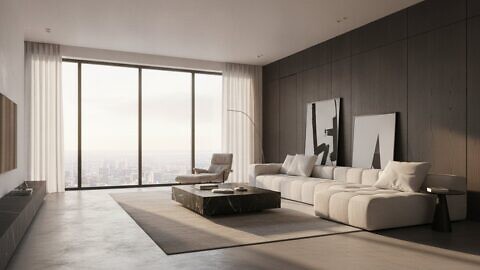
Architectural animation typically combines a three-dimensional model, materials, lighting and a planned camera route. The team can work from architectural drawings and supplied design files to create a coherent journey through proposed spaces. For example, a camera might move from the entrance into a shared lobby, showing how the circulation connects. A strong sequence maintains scale and design consistency throughout, helping the audience understand the project rather than question its visual logic.
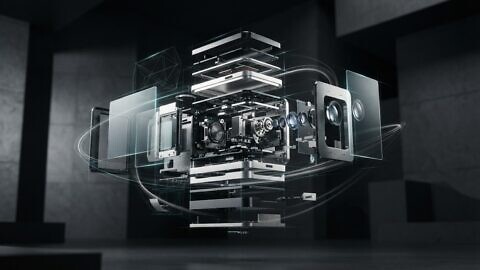
Product animation has a different emphasis. A rotating view can introduce a product’s form and finish, while an exploded sequence can clarify how its components fit together. Animation can also demonstrate a moving feature without requiring a physical prototype on set, making it useful for pre-launch communication. Identify the components, materials and actions that matter, then ensure each shot gives them enough screen time.
Studios may also create explainers, animated diagrams and real-time experiences. An explainer can combine a model with labels or graphics to clarify a technical process. In a real-time environment, users can respond to the scene; a property presentation can similarly let viewers explore a digital space. These formats have different interaction and delivery requirements, so choose according to how the audience will use the asset, not just its visual style.
To compare proposals for your projects, assess the production stages and deliverables:
- Scope: Specify the locations, products, actions and camera views the sequence must contain.
- Design inputs: Identify available drawings, models, reference images and material selections.
- Review points: Agree when you will assess the model, camera path, lighting and final sequence.
- Delivery: State the intended platforms and technical specifications, including aspect ratio and resolution.
A striking visual effect cannot compensate for a sequence that misrepresents the design. Architectural precision, material response and camera continuity should remain central, whether the work is a short product feature or a longer series of property scenes. Clear review stages allow decisions to be made before later production depends on them. The result can bring a design to life with purpose, with every frame supporting the message.
Reviewing completed CGI animations can help you assess how different approaches communicate space, movement and product detail.
What factors affect the cost and timeline of a CGI animation project?
The scope of a CGI animation shapes its production requirements and schedule. A single product turntable calls for a different workflow from a multi-scene property film featuring interiors, exteriors and landscaping. Each additional environment, camera move or animated feature requires design and production work. Define the intended outcome first: a planning presentation may prioritise site context, while a launch film may need a more detailed visual narrative.
Source material is another key factor. Accurate CAD files, coordinated drawings and selected finishes give the production team a clear basis for modelling. If a development’s geometry is still changing, revisions can affect modelling, materials, lighting and camera composition. For example, moving a building entrance after approving the camera route may require changes across several shots. Stable design information helps avoid unnecessary rework.
Visual complexity also affects the work involved. A plain exterior scene and a detailed interior with reflective surfaces require different modelling and lighting decisions. Glass, polished metal and water need careful treatment because their appearance depends on the surrounding environment. Crowd animation, vehicles, planting and changing weather can introduce further elements. Prioritise details that communicate the project’s purpose; not every visible feature needs equal emphasis.
Review and delivery requirements affect scheduling too. The team needs time to develop the model, agree camera paths, render scenes and prepare final files. Feedback that arrives late can trigger revisions to completed work. Set a clear approval sequence, name the decision-makers and consolidate comments at each review. Specify the delivery format, aspect ratio and intended platforms before final rendering begins.
To establish a realistic production scope, prepare these brief details:
- Objective: State whether the animation supports a design review, planning presentation or marketing campaign.
- Assets: List the scenes, products, materials and actions viewers must see.
- Inputs: Gather current drawings, models, reference images and finish selections.
- Reviews: Identify who approves design, camera movement and final output.
- Delivery: Record required formats and where each version will appear.
These decisions help the studio define production stages and show how changes may affect the schedule. A well-structured brief clarifies the work, approvals and deliverables before production begins. Discuss the project scope and review process with the production team to establish practical next steps.
Line Creative: CGI Animation
Line Creative creates CGI animation and 3D rendering to bring architectural and product designs to life. Turn to the studio when you need to communicate a development or product before it exists physically, or when still images cannot convey movement, spatial relationships or design intent. Architectural visualisation can help audiences understand a proposed building, whilst product visualisation can present form, materials and features through controlled digital imagery.
For a focused project brief, set out the intended audience, key visual messages, source design information and required deliverables. These priorities shape the animation and help keep each sequence aligned with your communication goals. Line Creative’s work supports marketing and planning through photorealistic imagery and animation. Contact Line Creative to discuss your project.
Set the visual direction for your next project
Your next decision is not simply whether to commission animation. It’s what you need viewers to understand, feel or assess after seeing it. Define that outcome first, then align the visual brief, design information and delivery format around it. This gives a cgi animationsstudio a clear strategic purpose and keeps creative decisions connected to your project’s communication needs.
Line Creative offers CGI Animation, 3D Rendering and Architectural visualisation for projects that need considered, high-quality visual communication. Whether you’re presenting a proposed development or communicating a product design, a focused brief is the foundation for work that serves its intended audience.
Take the next step when you’re ready to turn your visual brief into a defined project. Discuss your project with Line Creative and move forward with clarity.
Frequently Asked Questions
Can you work before products are manufactured or built?
Yes. CGI can support pre-launch communication using approved design information. For a product, provide the intended colourways, component references and agreed changes so the imagery reflects the design you plan to present. For a building, identify which elements are proposed and which surroundings already exist. Clear distinctions help viewers interpret the visuals accurately in a sales presentation or stakeholder review.
How long does a typical project take?
There’s no single duration that applies to every commission. The schedule depends on the production scope and how quickly essential decisions are made. A project may progress more smoothly when one authorised contact consolidates feedback from architects, marketers and decision-makers. Set review dates around internal approvals and identify who can sign off each stage, so feedback doesn’t remain unresolved between teams.
How much does CGI cost?
The production required depends on the brief’s deliverables and complexity. To define the scope, identify the scenes, visual assets and intended formats, then distinguish essential content from optional additions. For example, decide whether a property campaign needs one central sequence or separate material for different audiences. A precise brief makes the required work clear before creative decisions are made.
How realistic are your CGI images and animations?
Assess realism by comparing key visual details with approved references, not by judging atmosphere alone. For a product, check whether the visible shape, finish and proportions match the design information. For architecture, review whether materials and spatial relationships remain consistent across views. Ask whether viewers can understand the design accurately, rather than whether every scene simply looks cinematic.
What is CGI animation and what does a CGI animation studio do?
CGI animation presents computer-generated imagery in motion. A studio interprets the brief, develops the visual treatment and coordinates the production needed to deliver the agreed sequence. Your role is to provide project knowledge and make clear decisions about the message, design intent and audience. For a complex proposal, appoint a lead reviewer who can resolve differing comments before they reach the production team.
What services do CGI animation studios offer?
Service scopes vary. Line Creative offers CGI Animation, 3D Rendering, Architectural visualisation and Product visualisation. Choose based on the communication task: a development team may need imagery to present an architectural scheme, whilst a product company may need visuals to explain a design before launch. When comparing a studio’s capabilities, match the requested output to the audience, channel and decisions the content must support.