A masterplan can be technically complete and still be difficult to understand. Architectural CGI for masterplans needs to communicate relationships, not just render buildings: how routes, public spaces, development phases and surrounding context fit together. When stakeholders rely on plans alone, the logic behind the scheme can be hard to grasp.
Different audiences need to understand how the parts connect, but they do not all need the same view. An aerial image may explain the site structure, while a closer perspective can show how a route or public space relates to nearby buildings. Polished but generic imagery can miss the design intent and leave key decisions open to misinterpretation.
This guide explains how to plan masterplan CGI around your project information and stage, assess a visualisation partner, and build a coordinated narrative for planning, investment and marketing discussions. It also looks at when animation or real-time approaches may help stakeholders explore a scheme as it evolves.
Key Takeaways
- Use architectural CGI for masterplans to clarify how buildings, movement, public realm and context relate, not simply how individual structures look.
- Plan a coordinated set of views that explains the overall site structure and brings selected areas into closer focus.
- Brief visuals around their purpose, audience and project stage, and distinguish approved design information from provisional elements.
- Assess a visualisation partner for relevant masterplanning experience, architectural precision, narrative skill and collaborative working methods.
- Treat award-winning CGI as evidence of recognised visual quality, not a guarantee of planning approval, investment or sales.
What architectural CGI for masterplans needs to communicate
Architectural CGI for masterplans translates a development’s overall structure, context and intended experience into visual communication. It helps people see how building groups, routes, open spaces and surrounding areas relate, rather than asking them to piece the scheme together from separate technical drawings. The wider practice of architectural illustration includes computer-generated imagery, giving project teams another way to explain design intent.
Plans remain essential for showing boundaries, layouts and technical information. However, they can be difficult to interpret without specialist knowledge, particularly when the discussion is about perceived scale, connections between places or the character of a development. Masterplan imagery should make those relationships easier to read, not replace the underlying design information.
Which audiences need to understand the masterplan?
Different audiences need different levels of detail. Architects may want to assess massing, circulation and how the scheme responds to its context. Developers may focus on phasing and how areas function together, while investors may need a clear picture of the development’s structure and proposition. Public-facing audiences may benefit from views that explain routes, open spaces and the experience of moving through the site.
Start by listing the questions each audience needs answered, then match a view to each question. One image rarely does everything well. A site overview can establish the overall layout, while a closer view can explain a particular connection, public space or building group.
What makes a masterplan different from a building render?
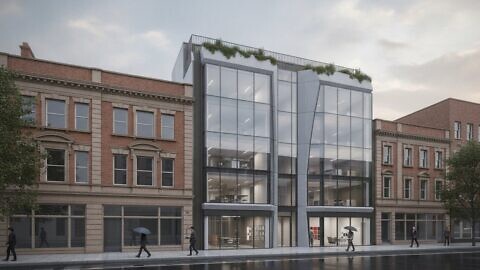
A building-focused exterior render centres on one structure, its materials and its immediate setting. A masterplan view needs to communicate the wider system: building massing, routes, open space and surrounding context, either in a coherent frame or across a sequence. Accuracy matters because changes to scale, position or connections can alter how people understand the design. If elements remain provisional, distinguish them from confirmed information in discussion with the project team.
Used with care, masterplan CGI can support planning, investment and marketing discussions by making a proposal more legible to its intended audiences. It cannot guarantee approval, funding or sales. Its value is as a strategic asset: clear, accurate visual communication that helps stakeholders discuss the scheme on a shared basis.
How masterplan CGI turns complex spatial relationships into a clear story
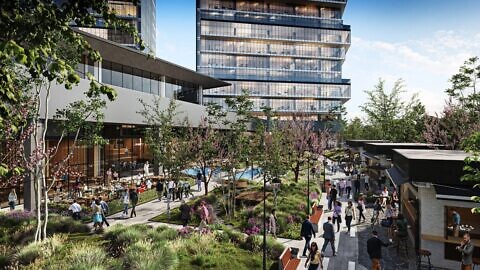
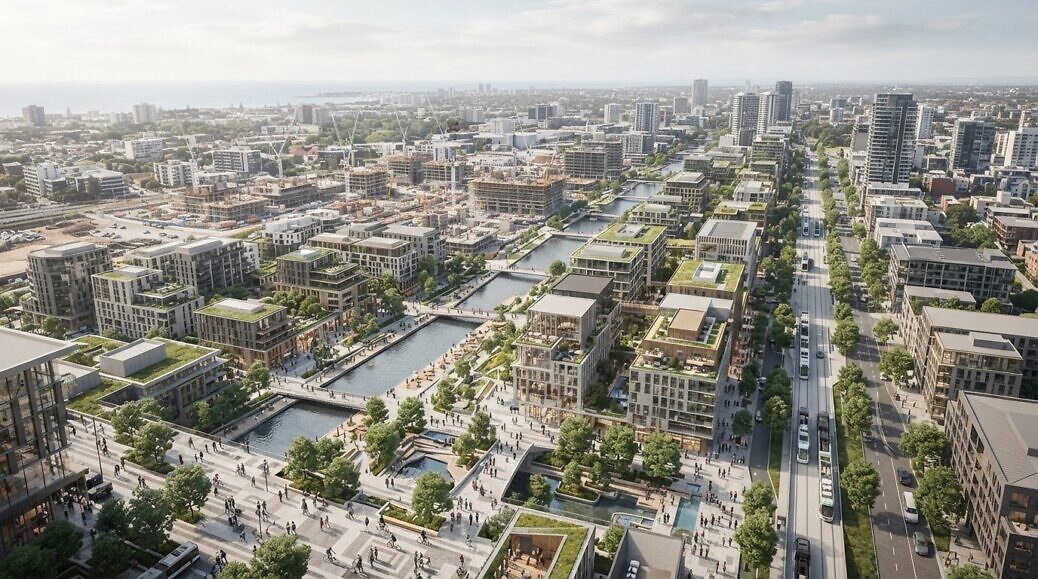
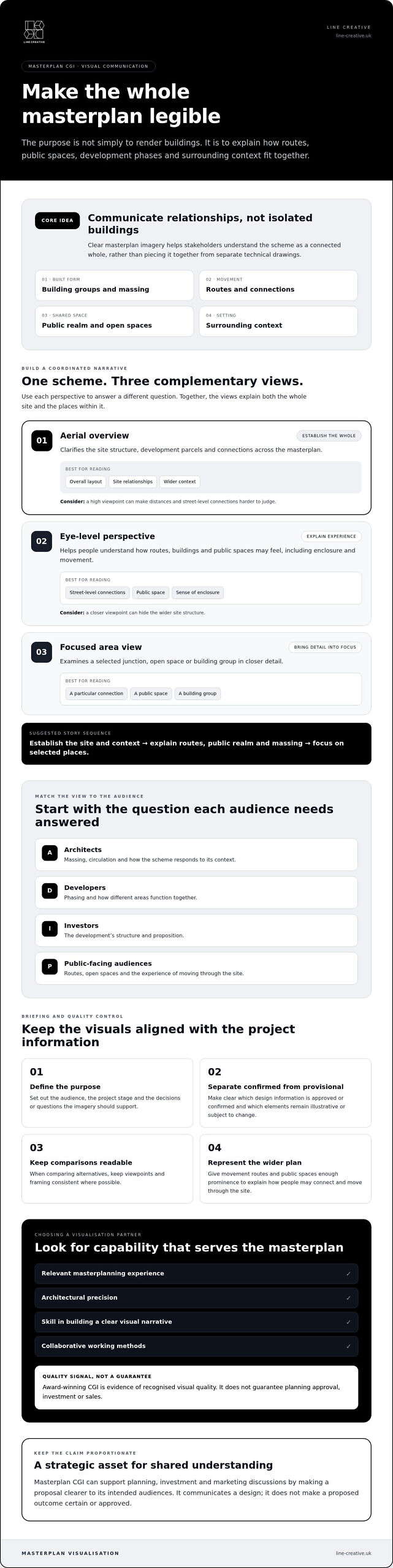
A strong masterplan narrative uses a coordinated set of views, each answering a distinct question. An aerial overview establishes the site’s structure and connections. An eye-level view helps people understand how routes, buildings and public spaces may feel. A focused area view brings a particular junction, open space or building group into closer focus. Together, these perspectives explain both the whole and its parts.
Choosing views that reveal scale and context
Viewpoint affects interpretation. A high aerial can clarify how development parcels relate, but may make distances and street-level connections difficult to judge. An eye-level view gives a more immediate sense of enclosure and movement, though it can hide the wider site structure. Choose each view to answer a defined audience question, rather than selecting it for spectacle. This makes architectural CGI for masterplans a purposeful communication tool, not just a collection of attractive images.
The sequence matters too. Establish the site and its context first, then direct attention to the routes, public realm and building massing that explain how it works. Consistent visual cues across the views help people follow the narrative and avoid mistaking a close-up for the whole proposal. When comparing alternatives, keep viewpoints and framing consistent where possible so the differences are easier to assess.
Representing phases, public realm and design intent
Where the project team supplies confirmed phase information, views can distinguish the intended stages and show how each relates to the wider plan. Give public spaces and movement routes enough prominence to explain how people may connect buildings and move through the site. Proposed planting, activity and surrounding context should be clearly framed as illustrative wherever they are not confirmed design information.
CGI communicates a proposal; it does not make a proposed outcome certain or approved. Keep visual emphasis aligned with the information available, and avoid presenting provisional elements as settled facts. This discipline protects the credibility of the narrative in planning, investment and marketing discussions.
Visual authority comes from development imagery that is accurate, clearly framed and honest about what is confirmed. When you assess a sequence, ask whether each view clarifies a relationship, scale or experience that matters to its intended audience. For related examples of architectural visualisation, explore Line Creative’s architectural CGI portfolio.
How to brief and assess architectural CGI for a masterplan
A precise brief reduces the risk of polished imagery communicating the wrong design status or answering the wrong question. For architectural CGI for masterplans, set out the purpose, intended audience, project stage, visual priorities and required deliverables before production begins. A planning discussion, an investment presentation and public-facing communication may each need a different balance of overview, detail and atmosphere.
A clear brief aligns every image with the project decision it needs to inform. Ask the project team to identify which design information is approved, which elements are proposed and which remain illustrative or provisional. Then decide which views are needed to explain the confirmed design and where the imagery should make uncertainty clear. Consistent viewpoints and visual language help audiences compare locations or phases without mistaking presentation changes for changes to the scheme.
What information should the project team prepare?
Gather the current material available to the team, which may include drawings, models, site information and design references. Confirm with the visualisation studio which inputs and formats it can accept before sharing them. Label the status of relevant elements, then agree the audience, communication purpose, deliverable formats and technical specifications. Also identify who will consolidate feedback and check the imagery against the source information. This gives the studio a clear basis for representing design intent and flagging gaps before they affect interpretation.
How to review a masterplan visualisation
Review in distinct passes. First, check whether building massing, routes, open space and context reflect the agreed source information. Then assess whether each view answers its intended question and fits the wider project narrative. Keep feedback specific by separating it into three categories:
- Design accuracy: identify discrepancies against agreed information.
- Visual hierarchy: check whether the important spatial relationships are clear.
- Atmosphere: review whether lighting, planting and activity support the intended reading without overstating unconfirmed details.
This structure makes feedback specific and actionable. For broader context on architectural visualisation and how it can support development communication, review the architectural visualisation services. To discuss a masterplan CGI brief with Line Creative, contact the studio about your project.
Choosing a masterplan CGI partner for a strategic visual asset
The right partner does more than produce polished imagery. For architectural CGI for masterplans, assess whether a studio understands development-wide relationships, can build a clear visual narrative, checks imagery against agreed design information and works constructively with your project team. Ask to see relevant examples that communicate scale, context and connections, not just striking building exteriors. Look for a clear explanation of why each view was chosen and what it is intended to help the audience understand.
What evidence demonstrates masterplan capability?
Review work for legibility and architectural precision: can you understand how buildings, routes and open spaces relate? Ask how revisions are managed and how confirmed design information is separated from illustrative choices. Awards provide independent recognition of visual quality, not evidence of a guaranteed project outcome. Line Creative has received multiple CGarchitect Awards for architectural visualisation; its client list includes Zaha Hadid Architects, Olson Kundig and Aman Resorts. These credentials provide context, not an endorsement of a particular proposal.
| Project need | Evidence to request |
|---|---|
| Masterplan experience | Examples showing site-wide structure, context and spatial relationships. |
| Design accuracy | An explanation of how source information, revisions and provisional elements are handled. |
| Clear narrative | A rationale for how selected views address audience questions and project objectives. |
| Collaborative working | Details of how the studio gathers feedback and aligns visual development with the project team. |
Matching visual formats to project objectives
Choose the format for the communication task. Stills can provide focused, carefully framed views. CGI animation can explain movement, sequence or transitions across a site. Real-time rendering and immersive interactive experiences may suit briefs that call for stakeholder exploration, but confirm the studio’s capability and the project requirements before specifying them. Explore Line Creative’s architectural visualisation portfolio to assess its visual range.
Make your selection against the project objectives, audience and confirmed deliverables, rather than choosing a format for novelty. For complex schemes, a considered visual narrative can help keep the presentation aligned with the project as it develops. Agree how the selected imagery will be used across planning, investment or marketing discussions before production begins.
Make your masterplan clear to every audience
Architectural CGI for masterplans is most effective when it explains how the whole development fits together, not simply how individual buildings look. A coordinated set of views can clarify site structure, movement, public realm and context, while a focused brief keeps imagery aligned with the project stage, audience and available design information.
Choose a visualisation partner for relevant experience, a considered narrative approach, architectural precision and clear accuracy controls. Stills, animation and interactive formats each serve different communication needs, so start with the questions your stakeholders need answered. CGI can support planning, investment and marketing discussions, but it cannot guarantee their outcomes.
Line Creative’s architectural visualisation work has received multiple CGarchitect Awards. Its global client base includes organisations across development and design, with listed clients including Zaha Hadid Architects, Olson Kundig and Aman Resorts. These credentials offer context for assessing experience, not a promise of project results.
Give your proposal the clarity and visual authority it needs to support informed discussion. Discuss your masterplan CGI brief with Line Creative and take the next step towards a visual narrative grounded in your project objectives.
Frequently Asked Questions
What is architectural CGI for masterplans?
Architectural CGI for masterplans is computer-generated imagery that communicates a development’s overall structure, setting and intended experience. It can show how building groups relate to routes, open spaces and surrounding context, using coordinated views to explain the whole site and areas of detail. The aim is to make design intent easier to understand for different audiences, while representing confirmed information accurately and identifying elements that remain illustrative or provisional.
How is masterplan CGI different from an architectural render?
Masterplan CGI focuses on relationships across a development, while a building-focused architectural render usually centres on one structure and its immediate setting. A masterplan view may communicate building massing, movement routes, public realm and context together. Aerial, eye-level and focused area views each reveal different aspects of the proposal. Choose views according to the questions your audience needs answered, not simply which viewpoint looks most dramatic.
Can masterplan CGI help with planning approval?
Masterplan CGI can support planning discussions by helping stakeholders understand a proposal’s layout, scale and relationship to its context. Clear, accurate imagery can make design intent easier to interpret alongside plans and other project information. However, CGI is a communication tool, not a decision or approval. It cannot guarantee planning approval, investment or sales, and should not present provisional design elements as confirmed facts.
What information is needed to commission masterplan CGI?
Start with the project purpose, intended audience, current design stage, visual priorities and required deliverables. You may have drawings, models, site information or design references to share, but confirm accepted inputs and formats with the studio. Label which information is current, proposed or illustrative, and identify what remains provisional. Agree technical specifications and review responsibilities early, so the imagery can be checked against the right source material.
Can CGI show different phases of a masterplan?
Yes, CGI can communicate different development phases when the project team provides confirmed phase information. A coordinated sequence of views can help audiences understand how each stage relates to the overall site structure, including routes, public spaces and surrounding development. Make clear which elements belong to each phase and distinguish illustrative details from confirmed information. This helps avoid presenting a possible future arrangement as a settled outcome.
How do you choose a CGI studio for a masterplan?
Assess relevant masterplanning work for clarity, scale, context and architectural precision, not visual polish alone. Ask how the studio checks source information, manages revisions and distinguishes confirmed design from illustrative choices. Review its narrative approach and how it collaborates with your project team. Line Creative has received multiple CGarchitect Awards for architectural visualisation and lists Zaha Hadid Architects, Olson Kundig and Aman Resorts among its clients. These credentials indicate experience, not guaranteed project results.