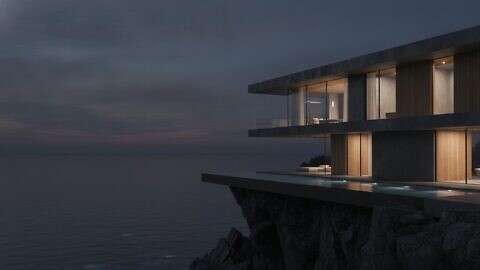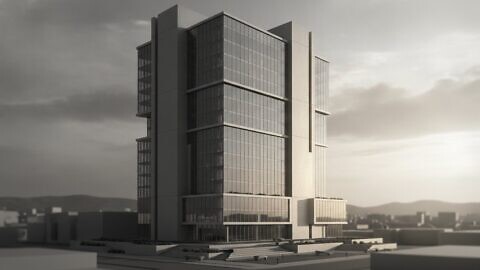
What if the same residential scheme needed to tell a different story to a planning team, an investor and a future buyer? Generic imagery can flatten a development’s architectural character, while visuals created without a clear audience or purpose may leave important decisions unsupported. Residential development CGI works hardest when every image is designed around what its viewer needs to understand.
Strong visuals can make a complex scheme easier to communicate. The challenge is maintaining architectural precision and a coherent visual story as the project moves from design review to investment and sales, particularly when briefs evolve and late changes affect multiple assets. Treat CGI as a strategic asset, not a collection of disconnected renders.
This article explains how to align imagery with project stages and stakeholder decisions, create a brief that supports consistency, and use real-time rendering when interactive exploration can aid discussion. You’ll learn how to communicate a scheme accurately to distinct audiences and what a collaborative CGI partner can bring to a complex residential development.
Key Takeaways
- Match each visual to the decision it needs to inform, from design review to buyer communication.
- Choose stills, animation or immersive interactive experiences according to the story and level of exploration your audience needs.
- Use a clear brief to define objectives, audiences, reference material and deliverables before production begins.
- Align BIM and design information with visualisation requirements to support architectural precision and reduce inconsistencies.
- Assess a residential development CGI partner by its relevant portfolio, communication approach and technical capability.
What residential development CGI needs to communicate
A proposed residential scheme must be understood before its homes exist. CGI can make the homes, shared spaces and wider development legible to decision-makers by showing how the design is intended to look and relate as a whole. Its value depends on what each visual needs to explain, not simply on how polished the final image appears.
Which audiences need to understand the scheme?
Design teams and developers need visuals that help them review the scheme itself: how the massing reads, how buildings relate to one another, and whether materials, landscaping and shared areas express the design intent. Choose views that focus discussion on specific design questions, such as the relationship between blocks or the layout of a courtyard. Accurate details help prevent an image from suggesting something the plans do not support.
Planning audiences may need a legible account of the development’s form and its relationship to surrounding spaces. Investors may require a broader view of the scheme’s composition and intended character, while prospective buyers are more likely to need a human-scale sense of individual homes, shared areas and everyday experience. These are different communication needs, not reasons to change the underlying design.
How does residential CGI support a project decision?
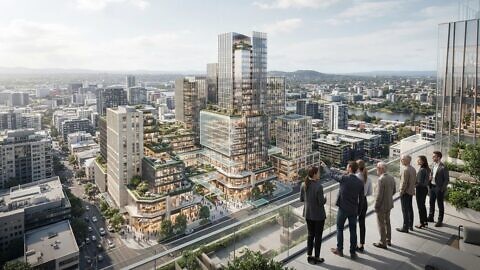
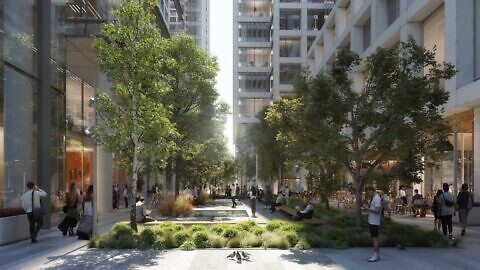
Residential development CGI is a decision-led visual communication tool. It translates design information into views tailored to a defined audience and project question. An elevated view might clarify massing; an exterior perspective could explain the relationship between a home and shared landscape; an interior scene may communicate room proportions, daylight and material character. Before production begins, state what each image needs to help its audience see or decide.
CGI is created from digital imagery rather than captured as a photograph of a completed development. For a foundational explanation of What is Computer-Generated Imagery (CGI)?, see the general overview of the medium and its uses. For a residential scheme, visual interpretation must remain grounded in current design information. CGI supports communication; it does not replace drawings, specifications or decisions by the design team.
Architectural precision and a coherent visual story matter across the scheme. Consistent materials, landscape language and lighting help audiences understand that different views belong to one development, while accurate geometry keeps those views aligned with design intent. Line Creative’s architectural rendering work brings this visual communication discipline to built-environment projects.
Which residential development CGI formats fit your brief?
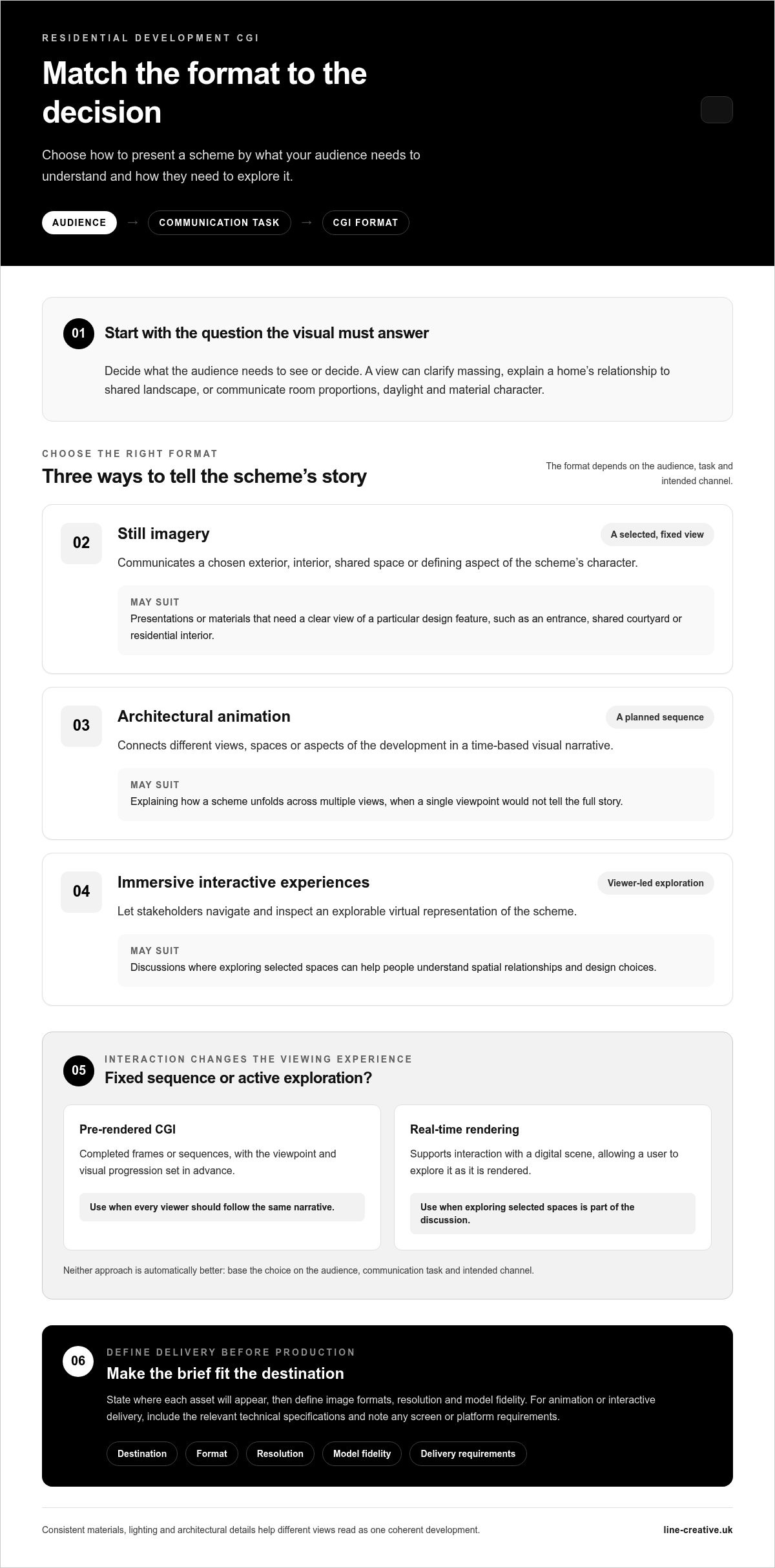
The right format depends on what your audience needs to see, how they’ll use the asset and how much interaction the decision requires. A focused exterior view may answer a design question clearly; a moving sequence or interactive model can be more appropriate when the scheme’s spatial relationships need to be explored.
| Format | What it communicates | Situations it may suit |
|---|---|---|
| Still imagery | A selected exterior, interior, shared space or defining aspect of the scheme’s character. | Presentations and materials that need a clear, fixed view of a particular design feature. |
| Architectural animation | A time-based visual narrative connecting different views, spaces or aspects of the development. | Explaining how a scheme unfolds across a sequence, rather than relying on one viewpoint. |
| Immersive interactive experiences | An explorable virtual representation that lets stakeholders navigate and inspect the scheme. | Situations where active exploration can help people understand spatial relationships and design choices. |
When do stills, animation or interactive experiences make sense?
Stills work well when you need to direct attention to a specific feature, such as an entrance, a shared courtyard or the character of a residential interior. Animation can connect those moments into a planned sequence, giving the viewer a broader sense of the development. Interactive experiences shift some control to the viewer, who can explore selected areas rather than follow a fixed camera path. Line Creative creates immersive visual content that supports this interactive approach.
Real-time rendering supports interaction with a digital scene, allowing a user to explore it as it is rendered. Pre-rendered CGI, by contrast, consists of completed frames or sequences: the viewpoint and visual progression are set in advance. Neither approach is automatically the better choice. Base your decision on the audience, communication task and intended channel. For example, use a fixed sequence when you need every viewer to follow the same narrative; choose an interactive experience when exploring selected spaces is part of the discussion.
What technical specifications should the brief define?
Set out where each asset will appear, such as in a presentation, planning material or marketing channel. Define the required image formats, resolution and model fidelity, alongside any technical specifications for animation or interactive delivery. Where relevant, note how the asset will be presented and whether it needs to work on a particular screen or platform. These details align production with practical use and help avoid assets that look strong but are unsuitable for their destination.
Keep materials, lighting and architectural details consistent across formats so the scheme reads as one coherent project. Matching the residential development CGI format to the brief helps you create purposeful assets without asking one visual to serve every audience or decision.
How to brief residential development CGI with precision
A precise brief gives the CGI team a reliable basis for interpreting the scheme and helps stakeholders review the same design intent. Set out what the visuals must communicate, which information is authoritative and where design remains in development. This distinction reduces the risk of presenting provisional choices as settled decisions.
What should a residential CGI brief include?
Build the brief in a clear sequence so the audience, visual purpose and source information stay connected throughout production:
- Define the project objective. State what the CGI needs to explain, such as the overall composition, a shared space or the character of a home.
- Name the audience. Identify who will use the visuals and what they need to assess or understand.
- Set the scheme context. Describe the development’s key components and how the requested views relate to the wider proposal.
- Supply reference material. Provide available plans, models, material references and technical specifications. BIM, or Building Information Modeling, is a digital representation of a building’s physical and functional characteristics and can inform the visualisation workflow.
- Specify deliverables and design status. List the required assets and distinguish confirmed details from elements still subject to change.
How can teams keep CGI aligned as designs develop?
Agree review points with the relevant project team and gather feedback in a consolidated form. Clear comments tied to specific views or design elements help separate essential corrections from preferences and make the status of each decision easier to track. Use consistent references for materials, landscape and lighting across related assets, and update them when the approved design information changes.
“Accurate inputs and clear review decisions are the foundation of architectural precision.” This principle matters particularly when a scheme includes multiple buildings or distinct residential types. Shared standards maintain continuity, while considered differences allow each part of the development to retain its intended character.
Visual style should respond to the scheme, not follow a generic template. Reviewing residential CGI project examples can help you identify how composition, atmosphere and level of detail vary across projects. Use those references to clarify the direction for your own brief, then align the chosen approach with current design information and intended use.
Choose a residential development CGI partner for the project’s stakes
A CGI partner should do more than produce individual images. For a complex residential scheme, the work needs to combine architectural precision with a considered visual story, while keeping communication clear as project requirements evolve. Assess the working relationship as carefully as the final imagery.
- Relevant portfolio: Look for residential and built-environment work that reflects the scale, design language and visual challenges of your scheme.
- Architectural precision: Assess whether the imagery communicates form, materials and spatial relationships in line with the design information.
- Communication approach: A collaborative partner connects each visual to its purpose, listens to project feedback and helps maintain consistency across assets.
- Technical capability: Consider whether the studio’s CGI stills and animation suit your intended audiences, channels and technical specifications.
What signals a strategic CGI partnership?
Story-centred visual communication gives each asset a role in explaining the development; disconnected images can lack a consistent point of view. International experience can bring familiarity with varied architectural contexts and project expectations. Line Creative is an international CGI studio with a global client base, serving architects and property developers. Its architectural visualisation and CGI animation support the communication of design intent to stakeholders.
How Line Creative approaches residential development CGI
Line Creative creates high-resolution CGI stills and animation for architecture and property development, supporting communication for planning, investment and property sales. Its approach brings visual storytelling and technical execution together, with the CGI team working collaboratively around each project’s communication needs. Multiple CGarchitect Awards and the SME UK Award recognise the studio’s work.
Experience with demanding visual standards is reflected in work for clients including Zaha Hadid Architects, Olson Kundig and Aman Resorts. These credentials provide context for assessing the studio’s architectural visualisation experience. A strong working relationship aligns visual direction, design information and feedback with the decisions your scheme needs to support.
A well-structured brief gives the CGI team a clear starting point: define the audience, identify the design information to use and specify the role of each asset.
Set the visual direction for what comes next
The next stage of a residential development brings new information, decisions and communication needs. Treat the visual brief as a living reference point: keep it connected to the project’s current design intent, and revisit its purpose when the audience or use of the CGI changes. This gives your team a clearer basis for keeping future assets relevant and aligned.
Line Creative brings architectural visualisation experience to projects with demanding standards, supported by multiple CGarchitect Awards, an SME UK Award and work for clients including Zaha Hadid Architects, Olson Kundig and Aman Resorts. This experience informs the studio’s approach to visual communication for complex built-environment projects.
Give your scheme a visual direction built around its next decisions. Discuss your residential development CGI brief with Line Creative.
Frequently Asked Questions
What does residential development CGI include?
Residential development CGI can include rendered views of homes, communal areas and the wider scheme, as well as architectural animation or immersive interactive experiences. The scope depends on the project’s communication needs: a marketing presentation might focus on key residences, while a design review may need views that clarify the relationship between buildings and shared spaces. Each asset should reflect the supplied design information and distinguish visual interpretation from confirmed project detail.
Can residential development CGI be created before a design is fully resolved?
Yes, residential development CGI can be developed from design information available at an earlier stage, provided the status of unresolved elements is clear. For example, a team may visualise established building forms while treating unconfirmed finishes as provisional. This can help stakeholders discuss direction before every detail is fixed. The brief should identify assumptions explicitly, so viewers do not read an illustrative choice as a final design decision.
How does CGI help explain a residential scheme to investors and buyers?
CGI gives investors and prospective buyers a visual reference for understanding a proposal before it is built. An investor presentation might use an overview to communicate the development’s organisation, while buyer-facing material could focus on the character and layout of a particular home. These visuals support understanding and discussion; they do not establish investment performance, guarantee a sale or replace the project information each audience needs to assess the scheme.
What information should you provide for a residential CGI brief?
Provide current drawings or models, relevant material references, the intended audience, the purpose of each asset and the channels where it will appear. Include technical specifications such as required resolution and file format, plus any constraints that affect what can be represented. Identify the current source of design information and its issue date. This helps the visualisation team work from the right version and identify gaps that could affect accuracy.
Is real-time rendering suitable for residential development presentations?
Real-time rendering can suit a presentation where stakeholders need to explore a digital scene interactively, rather than view only fixed images or a predetermined animation. It can be useful for comparing viewpoints or discussing spatial relationships in a live session. Suitability depends on the presentation objective, the available project model and the intended delivery format. If the audience needs a controlled, consistent visual sequence, pre-rendered CGI may be a better fit.
How can CGI visuals stay consistent when a residential scheme changes?
Keep a clear record of design revisions and identify which views or assets each change affects. If a material selection or building element changes, the team can assess its impact across related visuals rather than updating one image in isolation. Use shared, current references for materials, landscape and lighting, and consolidate review comments around a common version. This reduces the risk of presenting different stages of the scheme as if they were aligned.