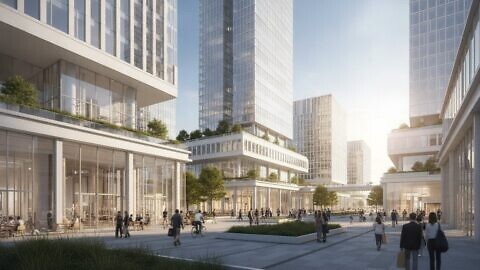
In the high-stakes arena of residential development, a single planning delay or a missed investment window isn’t just a minor setback; it’s a catastrophic drain on capital. High-calibre off-plan property visualisation has evolved from a marketing luxury into a non-negotiable strategic safeguard. You’ve likely felt the pressure of an overcrowded market where static renders and traditional brochures no longer command the attention of high-net-worth investors or sceptical planning committees. The stakes are simply too high for mediocre visual communication.
This article demonstrates how bespoke architectural visualisation transforms raw residential concepts into high-value assets that secure planning approvals, attract elite investors, and accelerate pre-sales through cinematic storytelling. We will examine the methodology of risk mitigation, the psychological impact of immersive imagery, and the commercial necessity of a cohesive brand narrative. By the end, you’ll understand why sophisticated imagery is the definitive solution to information overload and the primary driver of commercial momentum in the 2026 property landscape.
Key Takeaways
- Recognise architectural visualisation as a critical risk-mitigation tool that de-risks high-value residential schemes and secures early-stage capital.
- Utilise high-calibre off-plan property visualisation to bridge the gap between complex architectural intent and the emotional drivers of high-net-worth buyers.
- Develop a comprehensive marketing suite that leverages the synergy between photorealistic stills and cinematic CGI animation for maximum market impact.
- Facilitate smoother planning approvals and investor sign-off by prioritising technical precision and atmospheric storytelling in your visual assets.
- Evaluate CGI studio partners based on their ability to act as strategic visionaries who understand the commercial gravity of high-stakes property developments.
The Strategic Role of Residential Development Visualisation in 2026
In 2026, the margin for error in residential development has vanished. Off-plan property visualisation serves as the vital bridge between a visionary’s intent and a stakeholder’s confidence. It’s no longer sufficient to present plans; you must present a reality that hasn’t yet been built. This transition from traditional architectural illustration to high-fidelity digital assets allows developers to command the narrative, ensuring every nuance of the design is communicated with absolute clarity.
Narrative-driven visuals do more than show a space. They evoke an emotional response that justifies a premium price point. For a buyer, seeing a kitchen isn’t enough; they need to feel the morning light and the texture of the stone. This is where strategic visual assets separate themselves from simple renders. They don’t just depict architecture; they sell a lifestyle that doesn’t yet exist, creating an immediate sense of ownership that drives pre-sale conversions. When your off-plan property visualisation is handled with this level of sophistication, it becomes a primary driver of commercial momentum.
De-risking High-Stakes Property Developments
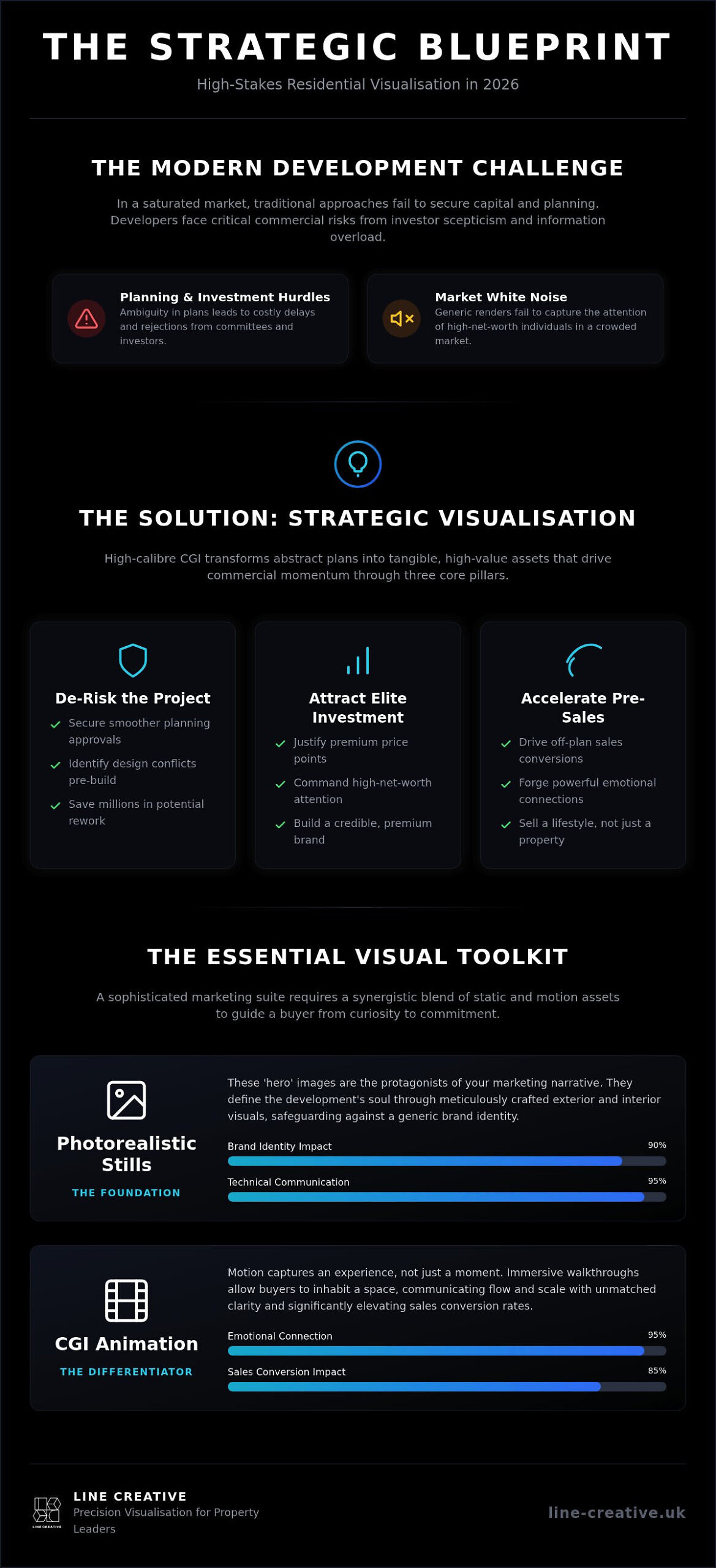
High-stakes schemes require surgical precision. Precise 3D rendering allows technical teams to identify design conflicts or material inconsistencies months before a single brick is laid. This foresight saves millions in potential rework and site delays. When presenting to planning committees, these visuals reduce friction by removing the ambiguity that often leads to rejection. They provide a definitive, photorealistic answer to questions of urban impact, establishing a premium brand identity that persists from the first pre-application meeting to the final sale.
The Information Overload Challenge
Sophisticated investors are bombarded with data. In a saturated market, standard CGI has become mere white noise. To capture the attention of high-net-worth individuals, your visuals must offer more than basic accuracy; they must offer aesthetic perfection. Disruptive CGI technologies allow for a level of detail and atmospheric realism that commands respect. If a visual asset feels generic, the project feels risky. In luxury residential marketing, the quality of the property CGI is perceived as a direct reflection of the quality of the eventual build.
Essential Visual Resources for the Residential Marketing Suite
High-Resolution Stills and Photorealistic Renders
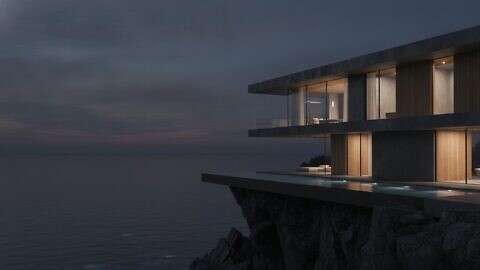
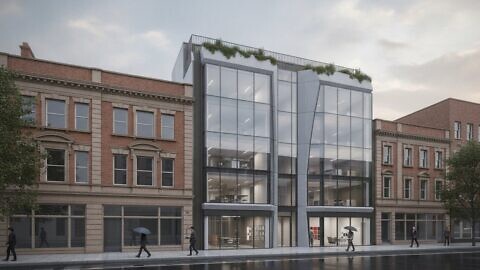
Hero images are the lead protagonists of your marketing narrative. They define the development’s soul. Exterior renders must capture the architectural form with absolute precision, whilst interior visuals provide the emotional resonance required for luxury sales. Atmospheric lighting, meticulous materiality, and bespoke styling are the safeguards against a generic brand identity. In the context of Visualizing Cities, these renders translate complex urban data into a relatable, human-centric narrative that resonates with sophisticated buyers.
CGI Animation and Immersive Walkthroughs
Motion is the definitive differentiator in a crowded digital landscape. Whilst stills capture a moment, bespoke CGI animation captures an experience. It allows potential buyers to inhabit the space before the foundation is poured. For high-stakes schemes, architectural walkthrough animations are the gold standard. They communicate the flow, scale, and interconnectedness of complex mixed-use environments with a clarity that static imagery cannot match. This immersive approach significantly elevates off-plan sales conversion rates by removing the buyer’s cognitive burden of imagining the final result.
Maximising ROI requires a strategic approach to asset repurposing. High-resolution CGI assets should not be confined to a single brochure. They must be deployed across social media campaigns, investor pitch decks, and large-format site hoarding to ensure a consistent, premium brand narrative. This multi-channel synergy ensures that your visual investment works harder, reaching international buyers and local stakeholders with equal impact. If you are ready to elevate your scheme’s market presence, you might consider consulting with a strategic partner to audit your current visual assets.
Securing Sign-off: Visualisation for Planning and Investment
In high-stakes residential development, the path to approval is rarely linear. It’s a landscape defined by technical scrutiny, public perception, and institutional caution. Off-plan property visualisation acts as the definitive safeguard in this environment, providing the clarity required to move a project from a conceptual uncertainty to a commercially viable reality. Visualisation isn’t just about persuasion; it’s about providing the technical proof that a scheme belongs in its urban context.
Winning the Planning Committee
Planning committees are often composed of non-experts who must make critical decisions based on complex architectural data. High-calibre architectural visualisation for planning translates technical drawings into a digestible, transparent, and authoritative format. It addresses common objections, such as concerns over massing, overshadowing, or heritage impact, by providing undeniable visual evidence. Under the Digital Markets, Competition and Consumers Act 2024, providing “material information” is a legal necessity; accurate visuals ensure all stakeholders have the factual information they need to make informed decisions. During public consultations, these assets demonstrate the project’s social and aesthetic value, fostering trust amongst local authorities and the community.
Attracting and Securing High-Value Investment
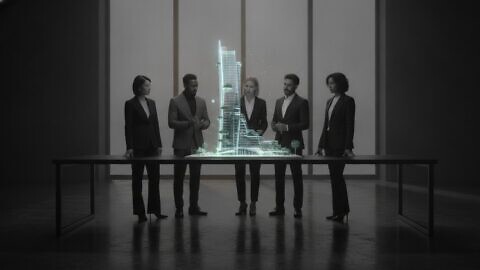
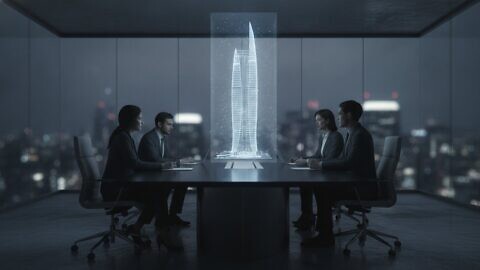
Institutional investors don’t buy into abstractions; they buy into certainty. A sophisticated visual pitch deck commands respect and demonstrates that a developer understands the gravity of the stakes. By showcasing “real-world” visualisations that depict the scheme’s commercial viability, developers can secure the early-stage capital necessary for momentum. Partnering with a world-class 3D visualisation agency elevates the professional stature of the developer, signalling a commitment to excellence, stability, and aesthetic perfection. Key elements for investor-ready visuals include:
- Contextual Accuracy: Demonstrating how the scheme integrates with existing infrastructure and future urban master-plans.
- Material Integrity: Using high-resolution textures to prove the quality and longevity of the proposed build.
- Atmospheric Realism: Creating an emotional connection that justifies premium valuation and de-risks the investment.
If your scheme requires this level of strategic clarity to secure its next phase of funding or approval, you can discuss your project requirements with our team.
Selecting a Specialist Partner for Residential Visualisation
Choosing a visualisation partner is a high-stakes decision that dictates the commercial trajectory of a scheme. You aren’t just hiring a renderer; you’re selecting a strategic guardian for your project’s reputation. Off-plan property visualisation requires more than technical proficiency; it demands a partner who understands the gravity of development timelines and the psychology of high-net-worth decision-making. A studio should be evaluated not just on the aesthetic quality of their portfolio, but on their ability to act as a visionary consultant throughout the development lifecycle.
Beyond the technical rendering, a cohesive marketing strategy is essential; partnering with a specialist like Framework Creative can help property brands integrate high-quality visual media into a compelling narrative that resonates with investors.
Evaluating Technical Excellence and Innovation
Industry recognition serves as the primary benchmark for reliability in a volatile market. Multiple CGarchitect Awards signify global excellence and a mastery of the craft that transcends standard marketing imagery. A studio capable of handling complex, large-scale residential schemes must demonstrate both technical stability and creative flair, much like the precision required for elite firms such as Zaha Hadid Architects. This involves leveraging disruptive technologies to ensure your project doesn’t just exist in the market but dominates it. You need a partner that combines technical accuracy with the artistic intuition required to highlight a scheme’s unique architectural value.
The Collaborative Process: From Concept to Completion
Elite visual outcomes are born from integration, not isolation. A long-term collaborative relationship allows a studio to deeply internalise your brand’s standards and project goals, leading to more efficient workflows and superior output. A story-centred approach ensures that every aspect of your off-plan property visualisation aligns with the project’s core narrative, creating a cohesive brand identity that speaks directly to investor concerns. This results-oriented mindset prioritises your commercial success, treating the CGI studio as an extension of your broader development team. To ensure your vision is realised with this level of precision, contact our award-winning studio to discuss your next residential development.
Securing the Commercial Future of Your Residential Scheme
The property market in 2026 demands more than just visibility; it requires absolute clarity and strategic intent. We’ve explored how off-plan property visualisation serves as the definitive safeguard against planning delays and investor hesitation. By transforming architectural concepts into cinematic, story-driven assets, developers can de-risk their most ambitious projects whilst commanding a premium in a saturated landscape. Precision in imagery is no longer an option; it’s the foundation of commercial momentum.
Line Creative brings award-winning expertise, recognised by multiple CGarchitect 3D Awards, to the most complex residential developments. Having worked with world-leading firms like Zaha Hadid Architects, we understand the gravity of the stakes and the necessity for aesthetic perfection. Our approach prioritises high-resolution, story-driven visual communication that resonates with elite stakeholders. If you’re ready to transform your vision into a high-value asset, it’s time to partner with Line Creative for your next high-stakes residential scheme. Let’s define the next phase of your development with the authority and excellence it deserves.
Frequently Asked Questions
How does residential development visualisation improve planning application success?
Success is improved by providing an undeniable evidence base that addresses objections before they arise. Visualisation translates complex technical data into a transparent format that planning committees trust. By providing precise “material information” as mandated by the Digital Markets, Competition and Consumers Act 2024, it removes the ambiguity that leads to rejections, ensuring the project’s social and aesthetic value is communicated with absolute authority.
What is the difference between standard CGI and photorealistic architectural renders?
Standard CGI often lacks the emotional resonance and technical depth required for high-value schemes. In contrast, photorealistic architectural renders utilise sophisticated lighting, bespoke styling, and high-resolution textures to create a cinematic narrative. This level of detail isn’t just about aesthetics; it’s a strategic tool used to de-risk investments by proving the quality and longevity of the proposed build to sophisticated, high-net-worth stakeholders.
At what stage of the development process should I engage a CGI studio?
You should engage a studio during the design development phase, ideally before the formal planning submission. Early engagement allows the studio to act as a strategic partner, identifying potential design flaws through precision 3D rendering. This proactive approach ensures that your off-plan property visualisation is ready to drive commercial momentum the moment the project enters the public sphere, safeguarding your timelines and development capital.
Can CGI animation be used for off-plan property sales on social media?
CGI animation is the gold standard for disruptive social media marketing in the luxury residential sector. It transforms static concepts into immersive experiences that capture the attention of investors in a crowded digital landscape. By using motion to communicate flow and scale, these animations significantly increase engagement and pre-sale conversion rates compared to traditional, non-dynamic marketing materials that fail to command attention.
What information does a CGI studio need to begin a residential visualisation project?
A studio requires a comprehensive technical package to ensure absolute precision. This typically includes 2D CAD plans, elevations, sections, and a detailed material schedule. To elevate the visual narrative, you should also provide site photography for contextual accuracy and a clear brand brief that outlines the target demographic. This data allows the studio to create a bespoke visual story that aligns with your project’s commercial objectives.
How much does bespoke residential development visualisation typically cost?
The investment for bespoke residential development visualisation depends on the scheme’s scale, the number of required assets, and the complexity of the architectural intent. Rather than a fixed expense, it’s more accurate to view it as a primary driver of ROI and a critical tool for risk mitigation. High-stakes projects require a level of technical excellence and innovation that standard, low-cost alternatives simply cannot provide.