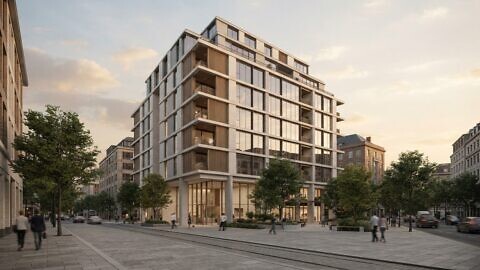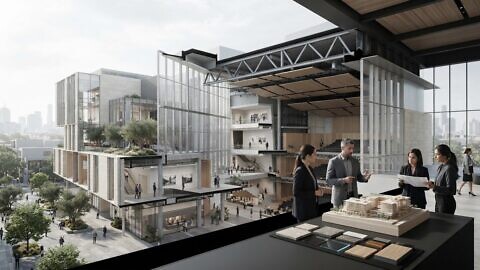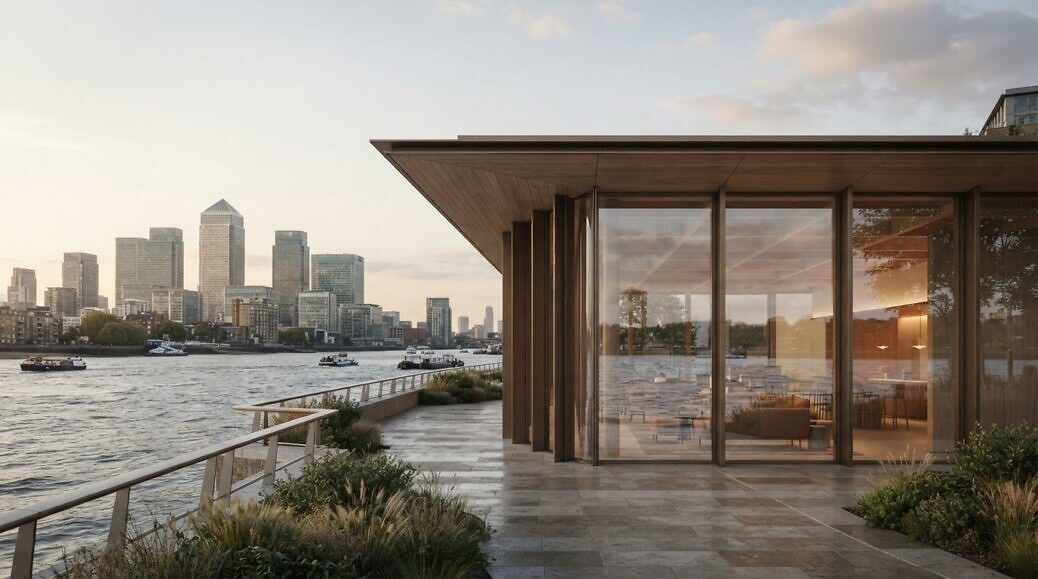
A 3D visual is only the starting point: animation, rendering and finishing determine whether an advert feels coherent on screen. For CGI ads in London, the result depends not simply on how convincing the scene looks, but on how every element moves, reads and holds together in its final format.
A CGI advert can turn an ordinary scene into an eye-catching visual, but the effect depends on careful choices about camera movement, lighting, materials, timing and compositing. Each decision shapes how clearly the advert communicates and how well it can adapt to different placements.
This article explains how a CGI advert moves from a 3D concept through animation, rendering and post-production. You’ll see what happens at each stage, which production choices shape flexibility, and how architectural and product visualisation techniques support finished marketing content. The aim is a clear view of the process, so you can plan visual assets with greater control and make informed creative decisions.
Key Takeaways
- Understand how animation, rendering and post-production turn 3D assets into a finished advert, and how decisions at each stage shape the result.
- Distinguish between CGI advertising studios by the production capabilities and visual formats your campaign requires.
- Identify whether a project needs product-focused imagery, animation or virtual production before selecting a creative approach.
- Prepare a clearer studio brief by defining the audience, campaign objectives, deliverables and technical specifications.
- See how production planning can preserve creative flexibility across different platforms and placements.
Animation, rendering and post-production
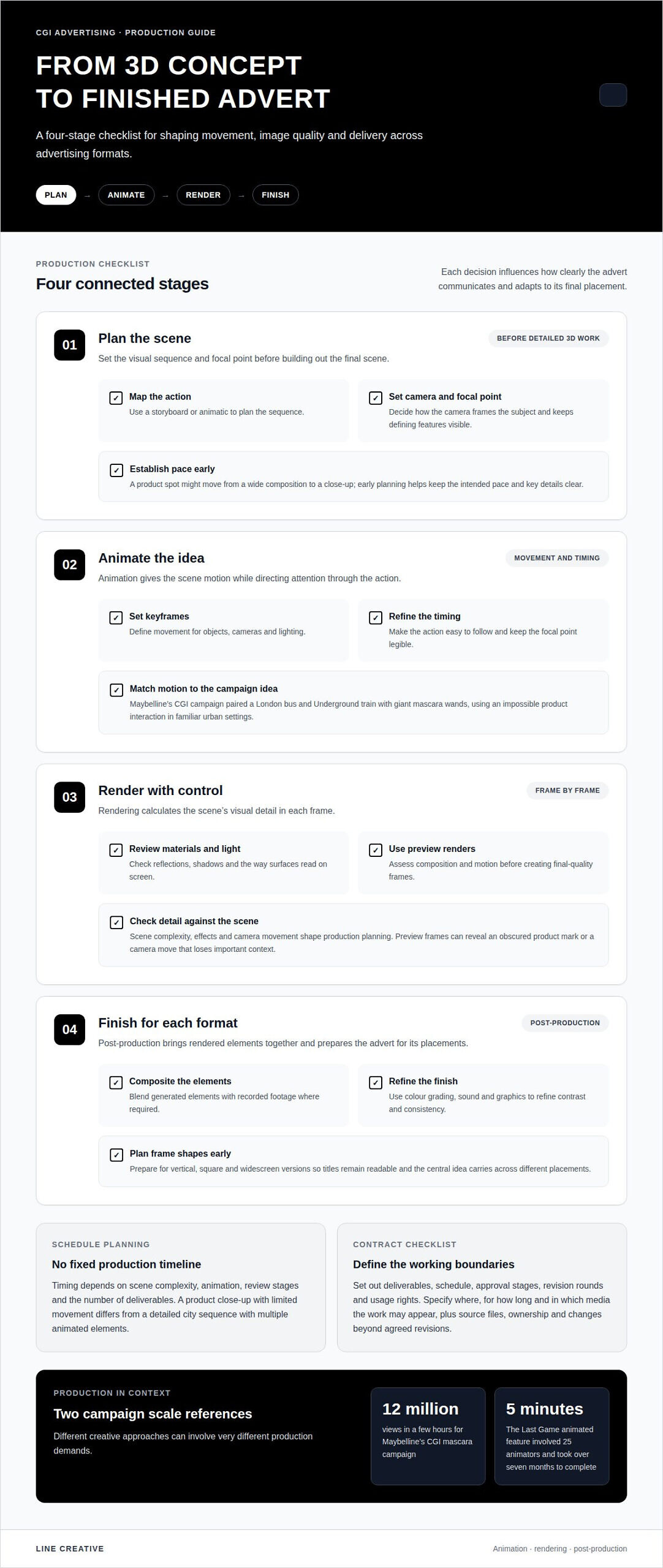
CGI ads take shape through connected stages, from planning the scene to animation, rendering and finishing. Each stage helps make the final visuals deliberate, clear and convincing across advertising platforms.
First, the creative team establishes the scene, camera position and visual sequence. A storyboard or animatic can map the action before detailed 3D work begins. For a product spot, this might define how a camera moves from a wide composition to a close-up, keeping the product’s defining features visible. These early decisions also establish the intended pace and focal point.
Animation brings the scene to life. Artists set keyframes for objects, cameras and lighting, then refine the timing so viewers can follow the action. Maybelline’s CGI campaign featuring a London Underground train and giant mascara wands brushing its eyelashes shows how an impossible interaction can transform familiar infrastructure into a dynamic advertising idea.
Rendering calculates each frame’s materials, lighting, reflections and shadows. Complex scenes require more visual detail to process, so decisions about effects, camera movement and scene complexity all shape production planning. Preview renders help teams assess composition and motion before creating final-quality frames. They can reveal, for instance, whether a reflection obscures product branding or a camera move loses important context.
Post-production combines rendered elements through compositing, colour grading, sound and graphics. The team can refine contrast, correct visual inconsistencies and position titles so they remain readable on social platforms. Planning vertical, square and widescreen versions early helps preserve the central idea across different frame shapes.
There is no fixed timeline for producing a CGI advert. The schedule depends on scene complexity, animation, review stages and the number of deliverables. A product close-up with limited movement has different production requirements from a detailed city sequence with multiple animated elements.
A CGI advertising contract should define deliverables, schedule, approval stages, revision rounds and usage rights. It should also specify where, for how long and in which media the finished work may appear, as well as arrangements for source files, ownership and changes beyond the agreed revisions.
Maybelline’s CGI mascara campaign is a notable example, pairing a bus and Underground train with giant mascara wands. Its approach combines familiar urban settings, impossible product interactions and social-ready visuals. Work of this kind relies on carefully planned compositing to blend generated elements convincingly with recorded city footage.
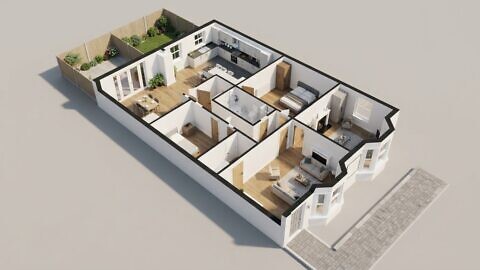
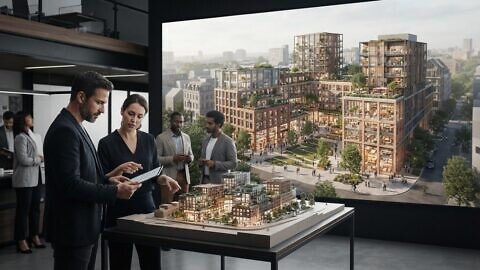
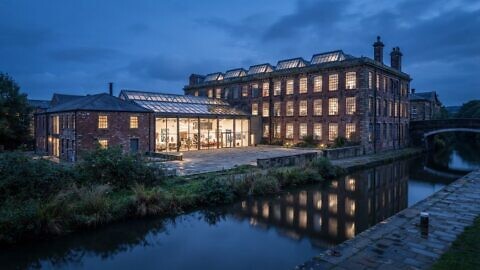
For architectural campaigns, production choices must preserve building forms and materials through camera movement and compositing. London 3D rendering and CGI can support still or animated visuals, with the selected format shaped by the project’s subject and intended use. Clear reference material helps maintain visual consistency from the initial scene through final delivery.
Nike Football’s The Last Game is a five-minute animated feature involving 25 animators; it took over seven months to complete.
Maybelline’s CGI mascara campaign featuring a London bus and tube train received 12 million views in a few hours. Some city ads may use CGI to depict scenes that were not physically present.
What CGI advertising agencies and studios are based in London?
London has several kinds of teams involved in CGI advertising, and their roles differ. Integrated advertising agencies usually shape campaign strategy, creative concepts and channel planning. CGI production studios focus on creating digital scenes, objects and motion. Specialist visualisation studios concentrate on products, architecture or property. Some companies combine these capabilities; others work alongside an agency’s creative team. The right fit depends on which production responsibilities your project needs covered.
Start by identifying who will lead the creative work. If the campaign idea is still taking shape, an advertising agency may coordinate the concept and bring in a production team. If the creative direction is established, a CGI studio can focus on turning approved designs into finished visuals. A property launch, for example, may prioritise accurate building details and a controlled camera sequence. A consumer product advert may focus instead on materials, reflections and close-up movement.
London’s studio landscape also includes teams with different production specialisms. An animation-focused studio is suited to sequences where movement carries the idea. A product visualisation team concentrates on form, finish and how an object reads in close-up. Architectural visualisation teams build scenes around spatial relationships, context and building details. Virtual production involves combining digital environments with live-action production methods, so it calls for a different workflow from a fully computer-generated advert.
Use your project’s main requirement to distinguish between providers:
- Campaign concept: an advertising agency can lead creative development and campaign planning.
- Animated sequences: a CGI production team can build and animate digital scenes.
- Product detail: a product-focused specialist can prioritise materials and close-up presentation.
- Property context: an architectural visualisation studio can centre spatial detail and the development setting.
These categories can overlap, so assess the actual work rather than relying on a studio’s label. Start by reviewing examples that resemble your intended deliverable. Look for consistency in materials, lighting, camera movement and composition. A still image calls for different evidence from an animated advert, where transitions and pacing must also support the message.
For a London property campaign, the choice may turn on whether you need a single hero image, a sequence of spaces or motion-led content. Reviewing a portfolio of 3D visual work can help you assess how a studio handles these formats. Then define the creative lead, production scope and final outputs before comparing proposals. This keeps the studio’s role clear and reduces avoidable gaps between concept development and delivery.
London’s options include integrated advertising agencies, CGI production studios, and specialist product, architectural, and property visualisation teams. Some providers combine these roles, while others work with an agency’s creative team.
Which London CGI studios specialise in product ads, animation, or virtual production?
London’s CGI studios vary by production focus, so match the team to the visual challenge. Product specialists prioritise shape, surface finish, lighting and close-up detail. Animation teams build movement, timing and camera transitions into the idea. Virtual production combines digital environments with live-action workflows, creating different technical demands from fully computer-generated scenes.
For a product advert, examine how a studio handles reflective, transparent or finely textured materials. A cosmetic campaign, for example, may need a close-up showing packaging, colour and product application with visual consistency. Interactive CGI marketing can also include virtual try-on features for cosmetics or 360-degree product showcases. These formats call for assets that remain clear and useful as viewers rotate or interact with them.
An animation specialism matters when the message depends on transformation, movement or an impossible visual. Review sequences for controlled pacing, coherent object movement and consistent product proportions. Still-image work may demonstrate rendering quality, but it cannot show how well a team manages motion, scene transitions or animated camera paths. Relevant moving-image examples help reveal the difference.
Virtual production suits concepts that combine performers, physical sets or live footage with computer-generated environments. First clarify whether the campaign needs an integrated live-action shoot or a wholly digital sequence. The production method affects how real and generated elements interact, including perspective, lighting and reflections. A giant Barbie emerging from a box beside Dubai’s Burj Khalifa illustrates how CGI can depict impossible scale, though it is not an example of a London studio.
Assess specialisation through evidence tied to your intended deliverable:
- Product advertising: review material accuracy, surface detail and close-up framing.
- Animation: assess movement, timing and continuity across a complete sequence.
- Virtual production: look for work integrating digital environments with live-action footage.
- Adaptation: establish whether visuals can be prepared for different platforms and formats.
For property marketing, a specialist in real estate imagery may be more relevant than a product-advertising team. The visual requirements differ: a building campaign may need spatial context and architectural detail, while a product advert may centre on one object. Separate these needs in your brief, especially if the campaign includes both property scenes and animated product elements.
Finally, distinguish a studio’s stated capabilities from the examples that demonstrate them. A portfolio should show the relevant visual category, not merely polished work in an unrelated format. That comparison helps you identify whether a London team’s production strengths align with your campaign’s central visual task.
London has product-focused CGI teams for material detail and close-ups, animation teams for movement and timing, and virtual production teams that integrate digital environments with live-action workflows. Choose according to the kind of visual challenge and production method your campaign requires.
How to brief and hire a CGI advertising studio in London
A strong brief gives a London studio a defined creative objective, visual direction and delivery scope. Start with the audience and the action the advert should support, such as introducing a property, explaining a design feature or presenting a product. Then describe the central message in plain terms. “Show the building’s arrival experience” is more useful than “make it impressive”.
Define the deliverables before production begins. Specify whether you need still images, an animated sequence, social edits or different aspect ratios. Include intended platforms, resolution, file formats and any technical specifications your media team has established. If the concept must work in both vertical and widescreen formats, say so early. The framing and animation can then be planned for both.
Provide relevant source material. A property brief might include architectural drawings, material references, site photographs and approved brand assets. A product brief could include dimensions, packaging artwork, colour references and images of important details. Identify which materials are final and which may change. This helps the production team manage design changes while distinguishing visual development from approved information.
Plan reviews in stages. Agree when you will review the concept, composition, motion tests and final frames, then nominate someone to consolidate feedback. Conflicting comments from marketing and design teams, for example, can delay approval; one coordinated response gives the studio clear direction. Set out how to request revisions and distinguish refinements from changes to the agreed concept or deliverables.
Before appointing a studio, compare relevant examples rather than judging from one polished frame. For an animated property advert, review camera movement, spatial continuity and how building details hold up throughout the sequence. For product content, assess consistency in materials, proportions and branding. Ask for the proposed workflow, review points, delivery formats and team responsibilities in writing.
Clarify usage rights in the contract. Record the permitted media, territories, duration of use, any restrictions and whether source files are included. Also define ownership of supplied materials, confidentiality expectations, payment milestones, cancellation terms and the process for approving final delivery. Clear terms help both sides understand what the agreed work covers.
For a property campaign, include the intended audience, project stage and details that must remain visually accurate. A concise brief can still be precise: purpose, reference material, deliverables, approvals and rights. Discuss your CGI advertising brief with Line Creative to establish the project requirements and visual direction.
Line Creative
Line Creative helps you translate an advertising concept into finished CGI visuals, with production shaped around the subject and intended use. Its work includes CGI Animation and 3D Rendering, alongside architectural and product visualisation. This is relevant when a campaign needs a digitally created scene, a property image or a product-focused visual asset.
For a property or product campaign, clear objectives and source material give the production process direction. Decisions about movement, composition and final formats can then align with the visual message you need to communicate. To discuss your project requirements, contact Line Creative.
Plan your next visual campaign with intent
A CGI campaign can shape more than one advert. With a clear visual direction, each asset can contribute to a recognisable identity across future launches, audience touchpoints and campaign formats. That makes early choices about tone, perspective and visual consistency part of your wider communication strategy.
For CGI ads in London, the next step is to define what your audience needs to understand or feel, then align the visual approach with that purpose. A focused creative brief gives production a clear foundation and helps keep the finished work connected to your brand.
When you’re ready to discuss how CGI could support your campaign, talk to Line Creative about your project. Your next visual idea can start with a clear objective and a considered production plan.
Frequently Asked Questions
What does Faux OOH mean in CGI advertising?
Faux OOH, also called CGI out-of-home advertising, is a digitally created visual designed to resemble an outdoor advert or public installation. It can use digitally created imagery to suggest an outdoor advert without depicting a physical object in a real location. The format can depict striking interactions with familiar places, with the final content made for online viewing and sharing.
How does sound contribute to a CGI advert?
Sound establishes pace, emphasis and atmosphere in an animated advert. A restrained soundtrack can keep attention on a product reveal, while carefully timed effects can make movement feel more tangible. Sound design also supports transitions and distinguishes moments within a short sequence. Plan it around the edit and viewing context so it strengthens the visual message rather than competing with it.
How do London CGI ad agencies compare in portfolio and client reviews?
Compare portfolios using examples close to your intended deliverable, checking materials, lighting, camera movement and composition. For animation, review moving-image work for pacing and transitions; a still image alone cannot demonstrate those capabilities.