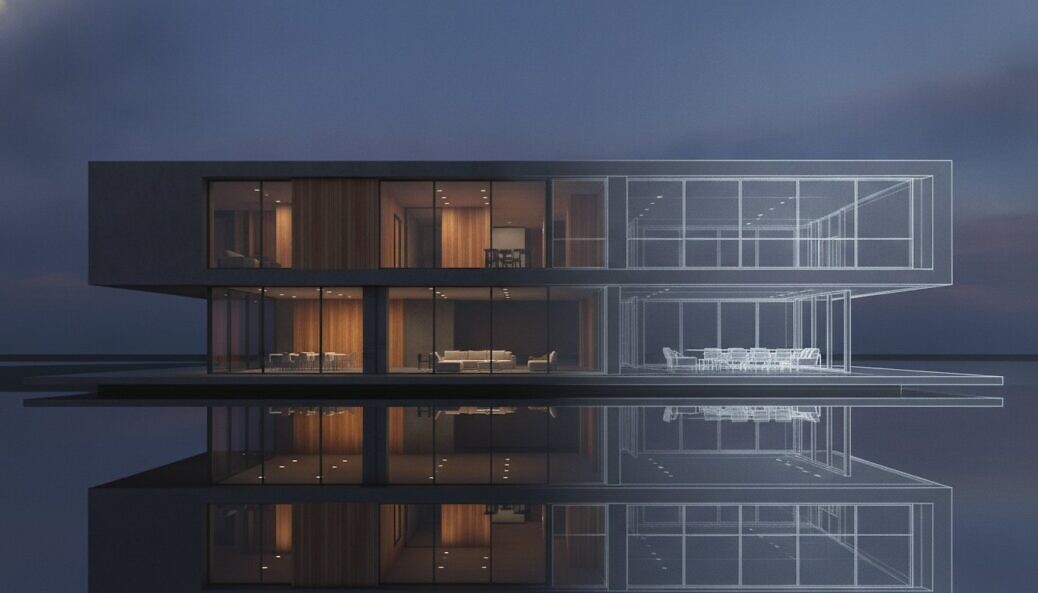
In the high-stakes arena of 2026 global commerce, the traditional lens is no longer the definitive tool for market dominance. For brands operating at the pinnacle of their industry, the debate regarding CGI vs traditional photography for products has shifted from a question of cost to a mandate for strategic agility. You recognise that visual excellence is the non-negotiable baseline for securing investment, commanding premium prices, and cutting through the relentless noise of the digital landscape. Yet, the logistical friction of multi-location shoots, the escalating costs of shipping physical prototypes, and the technical impossibility of capturing internal mechanisms often create a dangerous bottleneck in your product lifecycle.
This strategic guide serves as the essential safeguard against such operational stagnation. You’ll discover how to choose the superior visual methodology to elevate your brand, secure vital investment, and dominate high-value markets with precision. We provide an uncompromising analysis of how a scalable, 3D-driven asset library reduces time-to-market whilst granting you absolute, unwavering control over brand consistency. We’ll examine the financial benchmarks, technical capabilities, and long-term commercial outcomes that define the future of product visualisation, ensuring your methodology remains precise, powerful, and profitable.
Key Takeaways
- Master the distinction between traditional light capture and the strategic creation of photorealistic digital assets through sophisticated 3D modelling and rendering.
- Leverage the infinite flexibility of virtual environments to update materials, colours, and lighting in seconds without the logistical friction of a physical shoot.
- Analyse the commercial ROI of CGI vs traditional photography for products to accelerate your time-to-market and secure a scalable, high-performance visual asset library.
- Bypass the prohibitive costs of shipping physical prototypes by visualising internal mechanisms and complex designs long before manufacturing commences.
- Apply a rigorous decision framework to identify when CGI is a mandatory strategic safeguard for high-value sectors like luxury goods and large-scale architecture.
The Evolution of Visual Communication: CGI vs Traditional Photography
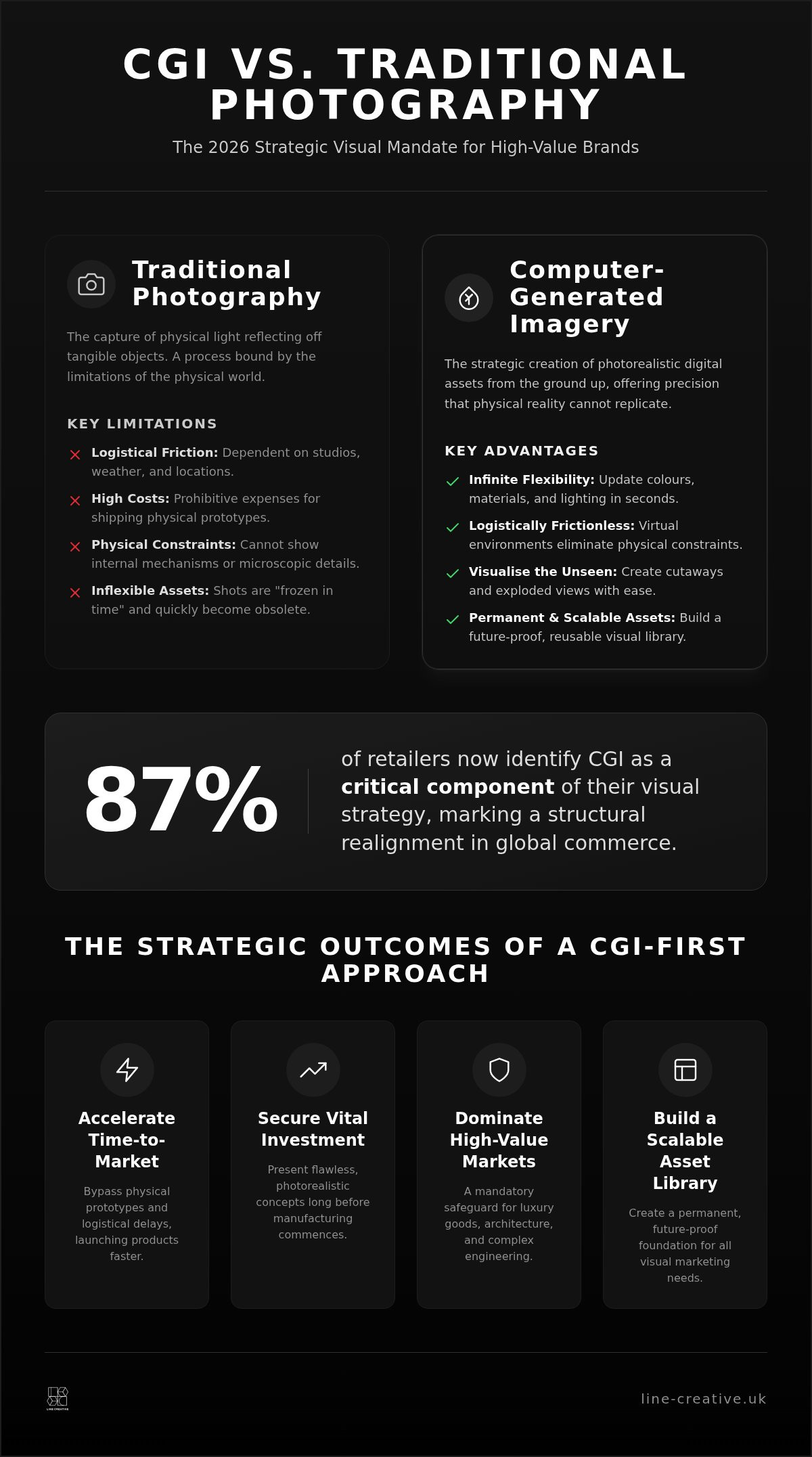
The visual paradigm has shifted. Traditional photography, defined as the capture of physical light reflecting off tangible objects, no longer satisfies the velocity of modern commerce. Conversely, Computer-Generated Imagery (CGI) leverages sophisticated 3D modelling to construct photorealistic assets from the ground up. In the 2026 market, the debate over CGI vs traditional photography for products is settled by a simple truth: digital methodology provides a level of precision that physical reality cannot replicate.
This isn’t merely about saving money. It’s about “real visual life.” We’ve reached a point where digital renders don’t just mimic reality; they surpass it. They offer a clarity, consistency, and depth that traditional lenses struggle to resolve. Industry studies show that 87% of retailers now identify CGI as a critical component of their visual strategy. This shift isn’t a trend; it’s a structural realignment. For complex product launches, adopting a CGI-first mindset is the only way to ensure your brand remains the definitive authority in your sector.
The Limitations of the Traditional Lens
Physical shoots are inherently fragile. You’re at the mercy of studio availability, unpredictable weather, and the logistical nightmare of organising multi-location setups. These limitations are the primary friction points when comparing CGI vs traditional photography for products. Beyond the logistics, the costs of shipping physical prototypes across borders are often prohibitive. Photography is also bound by the laws of physics. It cannot peer through a solid casing to reveal internal mechanisms or capture the precise, microscopic details of a complex assembly without immense difficulty.
CGI: A Strategic Visual Infrastructure
Transitioning to CGI shifts your brand from the ephemeral act of “taking a photo” to the enduring power of “creating a world.” Every 3D model becomes a permanent, reusable asset within your strategic visual infrastructure. This methodology allows for the seamless integration of product lifestyle rendering, which has become the new standard for luxury and industrial marketing. You aren’t just producing an image; you’re building a scalable library that enables infinite evolution. It’s a pragmatic, results-oriented approach that secures your brand’s future.
Strategic Advantages of Photorealistic Product Rendering
The commercial landscape demands more than just a static image. It requires a visual infrastructure that is modular, scalable, and permanent. While the debate regarding CGI vs traditional photography for products often centres on aesthetics, the true differentiator is strategic control. Photorealistic rendering allows brands to construct entire environments where every photon of light and every thread of texture is under absolute command. This level of precision is essential for luxury hospitality and branded residential projects where the stakes of a visual error can derail multi-million pound investments.
This methodology enables “story-driven” marketing campaigns that photography simply cannot replicate. You aren’t limited by what a camera can see; you’re empowered by what your brand can imagine. By establishing a digital-first workflow, you secure a definitive solution to information overload, presenting your products with a level of clarity and excellence that commands immediate respect.
Infinite Flexibility and Version Control
This commitment to excellence should extend to every physical touchpoint of your business; to see how professional staff identification supports a premium brand image, check out Imagin Products Ltd.
Traditional shoots are frozen in time. If a product’s finish changes or a new material is introduced, the previous assets become obsolete instantly. CGI eliminates this risk through rigorous version control. You can update textures, finishes, and backgrounds across an entire product range in seconds, ensuring unwavering brand consistency over several years. This agility is a vital factor when choosing between CGI and photography for long-term campaigns. Whether you need a high-resolution still for large-format advertising or a punchy social media snippet, the same 3D asset provides the source material for every channel.
Visualising the Unseen: Cutaways and Exploded Views
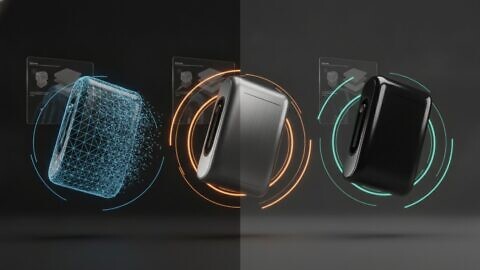
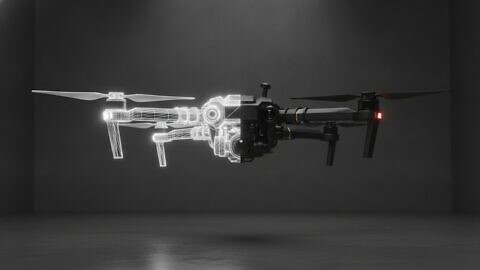
Technical innovation often happens beneath the surface. Photography fails when you need to communicate complex engineering or internal mechanisms to sophisticated investors. By utilising raw CAD files, our process creates precision-perfect 3D product rendering that reveals the “impossible.” These “X-ray” views and exploded diagrams don’t just show a product; they demonstrate its value proposition. This approach transforms technical data into a compelling narrative that secures planning approvals and attracts capital. To see how these assets translate into market-leading results, you can explore our latest visualisation portfolio.
Evaluating Commercial Impact: Cost, Speed, and ROI
Commercial success in 2026 is determined by the efficiency of your visual pipeline. When weighing CGI vs traditional photography for products, the primary metric is no longer the individual image cost, but the lifetime value of the asset. Traditional photography demands recurring investment; every new angle, colourway, or seasonal update requires a physical shoot, travel logistics, and studio hire. CGI disrupts this cycle by transforming visual creation into a one-time capital expenditure that yields infinite returns.
The introduction of real-time rendering and AI-augmented workflows has further amplified this ROI. These technologies allow for the rapid generation of high-fidelity content at a fraction of the traditional timeframe. By moving away from the physical constraints of a camera lens, you eliminate the friction of prototype shipping and set construction, allowing your budget to focus entirely on the quality of the narrative.
Upfront Investment vs Long-term Asset Value
The initial creation of a 3D model is a strategic investment in your brand’s future infrastructure. Once a product is digitised, the “zero-cost” reshoot becomes a reality. You can update assets for new markets or seasonal campaigns without ever booking a studio. In this context, 3d rendering for marketing in 2026 is the measurable increase in brand equity and conversion rates achieved by deploying a single, high-fidelity digital master across every consumer touchpoint. This methodology ensures your visual library remains a living, breathing component of your commercial strategy rather than a static expense.
Streamlining Product Launches and Planning
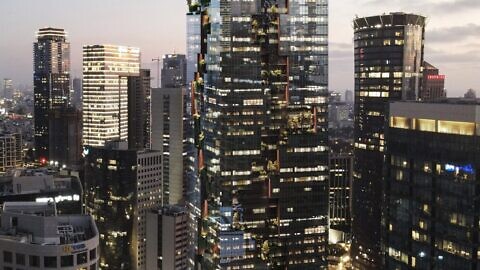
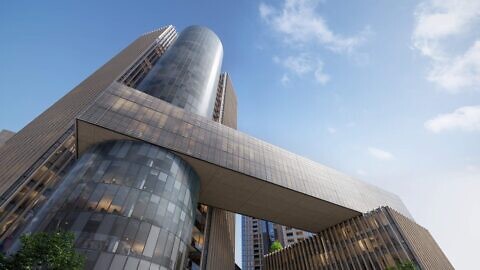
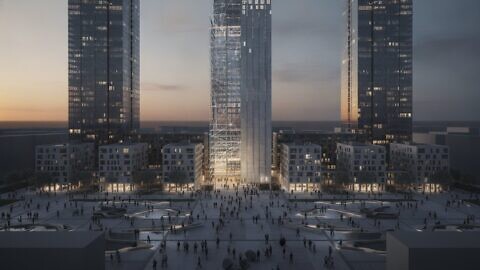
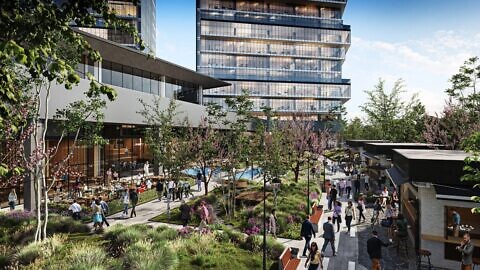
Speed to market is a decisive factor in high-value industries. CGI allows you to begin marketing efforts during the R&D phase, long before a physical product exists. This ability to secure product launch CGI ensures instant market authority and allows for pre-sales that fund the manufacturing process. In property development, this is even more critical. High-fidelity architectural visualisation is the essential safeguard for securing planning approvals and attracting early-stage investment for multi-million pound schemes. It provides the clarity and certainty that investors demand in a volatile market.
Making the Decision: When to Choose CGI for Your Brand
The choice between CGI vs traditional photography for products is a definitive moment in a brand’s lifecycle. You must evaluate the complexity of your asset requirements, the scale of your market ambitions, and the necessity for long-term consistency. For sectors where precision is the primary safeguard against failure, CGI is no longer an option; it’s a strategic requirement. This decision framework ensures your methodology remains precise, powerful, and profitable.
Identifying the Right Strategy for Your Sector
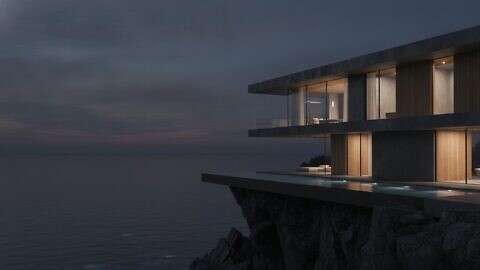
Master-planning, urban design, and large-scale manufacturing require a level of visual control that physical cameras cannot achieve. You cannot photograph a city that hasn’t been built or a luxury resort that exists only in a blueprint. In these high-stakes environments, CGI provides the clarity needed to secure planning approvals and attract capital. However, a hybrid approach is often the superior solution for human-centric brands. By combining real-world talent with virtual environments, you achieve the emotional resonance of human interaction whilst maintaining the absolute technical perfection of a digital set. This methodology allows you to navigate the complex requirements of planning visualisation whilst keeping your brand’s narrative grounded in human experience.
Partnering with a Specialist CGI Studio
Securing world-class results requires more than just technical software; it demands a partner with aesthetic intuition and a story-driven philosophy. When selecting a CGI animation studio, you must look beyond basic renders. You require a team trusted by global design leaders like Zaha Hadid Architects and Epic Games. Look for a portfolio defined by innovation, clarity, and excellence. An award-winning studio doesn’t just deliver an image; they provide a comprehensive visual strategy that protects your investment and ensures your brand dominates high-value markets.
Your next product launch or property development deserves a visual methodology that matches the gravity of the project. To move beyond the limitations of the traditional lens and secure your market authority, contact Line Creative to discuss a bespoke visual strategy tailored to your specific commercial goals.
Securing Your Visual Future
The shift towards a digital-first methodology is a structural evolution that rewards the bold and the precise. You’ve already seen how the debate of CGI vs traditional photography for products is ultimately decided by the mandate for infinite scalability and unwavering brand control. By establishing a permanent, high-fidelity 3D asset library, you eliminate the logistical friction of the past and secure a decisive speed-to-market advantage that physical shoots cannot match. This isn’t just about creating imagery; it’s about building a visual infrastructure that attracts capital and commands market authority.
As specialists in high-value, complex mixed-use schemes and winners of multiple global CGarchitect Awards, we provide the expertise needed to safeguard your commercial success. Trusted by industry leaders like Zaha Hadid Architects and Aman Resorts, we transform technical data into compelling, story-driven narratives. Partner with Line Creative for world-class visual storytelling and ensure your brand leads the next phase of industry evolution. Your vision deserves a methodology that is as ambitious as your commercial goals.
Frequently Asked Questions
Is CGI more expensive than traditional product photography?
Upfront investment in 3D modelling often exceeds a single day’s photography rate, yet the long-term ROI is vastly superior. When evaluating CGI vs traditional photography for products, consider that a digital asset requires no travel, studio hire, or prototype shipping for future updates. You eliminate recurring costs for seasonal refreshes or material changes. This methodology transforms a marketing expense into a permanent capital asset that provides value across multiple years and platforms.
Can CGI achieve the same level of realism as a high-end camera?
Modern photorealistic rendering utilises Physically Based Rendering (PBR) to simulate light and material interactions with absolute precision. We’ve reached a state of visual fidelity where digital assets are indistinguishable from photographs to the human eye. CGI allows for perfect focus, ideal lighting, and microscopic detail that traditional lenses often struggle to resolve. It provides a level of aesthetic perfection and brand consistency that physical shoots simply cannot guarantee under real-world constraints.
How long does the 3D product rendering process typically take?
Initial 3D model creation typically spans several days to weeks depending on geometric complexity and material requirements. However, once the master asset is established, generating additional angles or colour variations occurs in a fraction of the time required for a traditional reshoot. This streamlined pipeline significantly reduces your time-to-market. Our studio’s workflow prioritises technical excellence whilst maintaining the fast-paced delivery schedules required for high-stakes global product launches and property developments.
Do I need a physical prototype to start the CGI process?
You don’t require a physical prototype to begin the visualisation process. We often work directly from raw CAD files, technical drawings, or even detailed sketches during the research and development phase. This allows you to secure market authority and attract investment long before manufacturing commences. By bypassing the need for physical samples, you eliminate the risks and costs associated with shipping prototypes, enabling a more agile and proactive marketing strategy for your brand.
Which industries benefit most from choosing CGI over photography?
Industries involving high-value assets, complex engineering, or modular configurations see the most significant commercial impact. This includes luxury hospitality, large-scale manufacturing, and property development. Sectors where products are either too large to move, too complex to photograph internally, or exist in thousands of variations find CGI indispensable. It provides a definitive solution to information overload in competitive markets, ensuring your technical innovation is communicated with clarity and sophisticated visual power.
Can CGI visuals be used for planning permission and investor presentations?
High-fidelity architectural visualisation is the essential safeguard for securing planning approvals and attracting early-stage investment. These visuals provide the clarity and certainty that local authorities and sophisticated investors demand before committing to multi-million pound schemes. By presenting a photorealistic vision of a project that doesn’t yet exist, you mitigate perceived risks and demonstrate a commitment to excellence. This strategic use of CGI vs traditional photography for products and property is a non-negotiable requirement for modern developers.