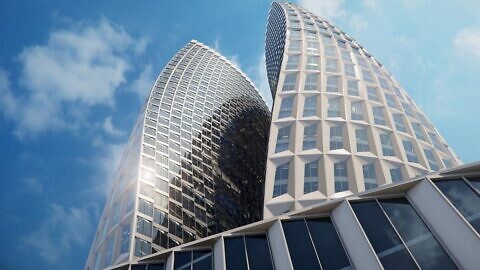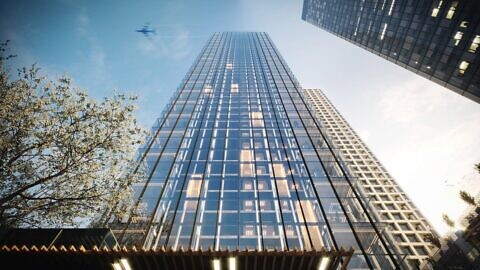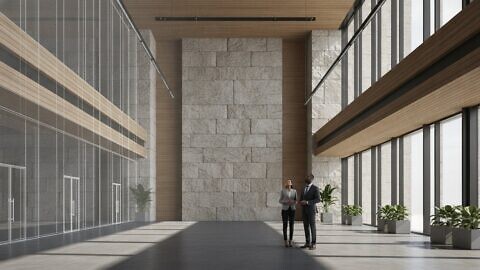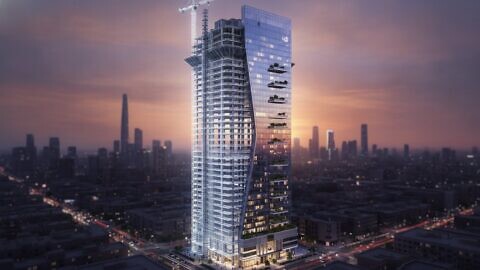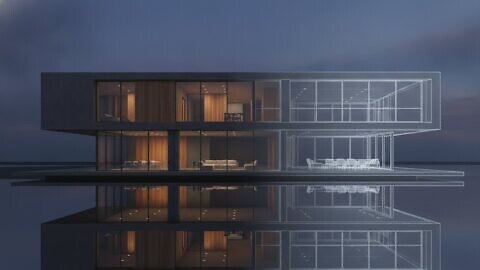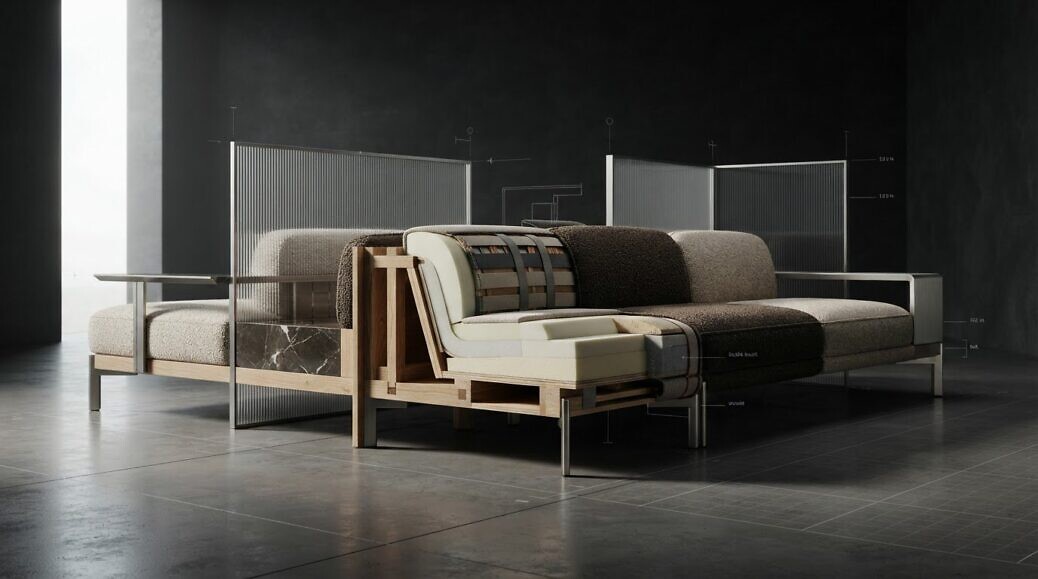
A render can look polished and still weaken confidence if it feels artificial. In a crowded visual market, photorealistic product rendering must do more than make a design look attractive: it needs to communicate materials, scale and function clearly enough to support informed decisions.
If you’ve encountered generic CGI or imagery that fails to build trust, your caution is justified. The right visualisation is not decoration. It can clarify a complex proposal, strengthen a brand story and help decision-makers understand what they’re being asked to support.
This guide explains what makes a render convincing and how to brief and assess visualisation work. You’ll learn when CGI can be more suitable than photography, how visuals can support planning and investment discussions, and what to look for in a studio. The aim is not to promise commercial outcomes from an image alone, but to show how accurate, well-directed visuals can make a project easier to understand.
Key Takeaways
- Assess photorealistic product rendering by checking material accuracy, physical detail, proportions and whether the image communicates a clear story.
- Compare CGI with traditional photography against your product, intended audience and required consistency across views or finishes.
- Use high-resolution renders to help stakeholders interpret a complex scheme, while keeping imagery aligned with current project information.
- Look for a story-driven visualisation approach that connects technical precision with the project’s purpose and audience.
- When selecting a studio, review relevant experience, visual style and how its process fits your brief.
Defining Photorealistic Product Rendering: A Strategic Imperative
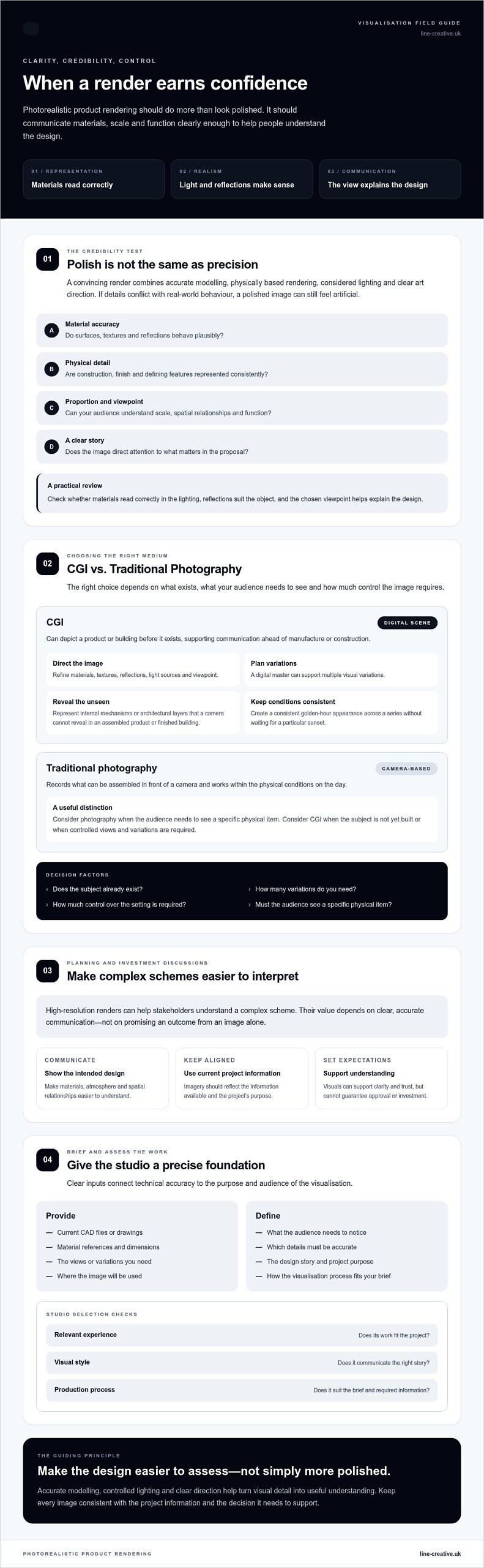
Photorealistic rendering combines accurate modelling, physically based rendering (PBR), considered lighting and art direction to make a design understandable and credible. It can be used to present a product that is still in development or to help communicate an architectural proposal, but the image needs to reflect the information available and the purpose of the project.
The goal is not simply to make an object look like a photograph. Every material, reflection and spatial relationship affects how audiences interpret the proposal. In 2026, advances in CGI can make digital imagery difficult to distinguish from photography, but visual credibility still depends on sound modelling, controlled lighting and clear direction. Before production, define what the audience needs to notice, which details must be accurate and where the image will be used. Without those decisions, even technically polished work can obscure rather than explain the design.
The Evolution of Visual Communication
Visual communication has moved from basic CAD views, designed chiefly to explain form, towards immersive, story-driven CGI experiences. The underlying technology, Computer-generated imagery (CGI), supports a wide range of applications. In high-stakes visualisation, its value comes from combining that flexibility with deliberate, technically grounded choices.
Global illumination and ray tracing can simulate how light interacts with surfaces and travels through an environment. Used with PBR materials, they help artists represent surface response, shadow and reflection with greater physical plausibility. When reviewing a render, look closely at whether the material reads correctly in different lighting, whether reflections make sense for the object and whether the image’s viewpoint helps explain the design. These checks matter more than technical terminology alone.
Why Brand Authority Depends on Visual Precision
Audiences use visual cues to form impressions of quality and credibility. Inconsistent textures, implausible reflections or inaccurate proportions can undermine confidence before a proposal is fully considered. For investors, stakeholders and end-users, well-directed CGI can provide a coherent way to understand the intended design, its materials and its atmosphere. It can support trust through clarity, but it cannot guarantee approval or investment.
The risk is especially acute in property marketing. A render that is almost convincing can feel artificial when details conflict with real-world behaviour, creating an “uncanny valley” effect. For brands and developers, visual precision helps give complex ideas focus and authority. Photorealistic product rendering should make the design easier to assess, not simply more polished. Check that the product’s proportions, construction, finish and defining features are represented consistently across every view.
CGI vs. Traditional Photography: The Strategic Comparison
Photography records what can be assembled in front of a camera. CGI can depict a product or building before it exists, giving marketing teams a way to communicate the intended design ahead of manufacture or construction. This can support earlier conversations with buyers and stakeholders, although imagery alone cannot guarantee a faster sales cycle.
The definition of computer-generated imagery covers digital visuals created for fields including advertising, architecture and engineering. The practical distinction is control. In a digital scene, artists can direct materials, lighting and viewpoint; a physical shoot must work within the conditions on the day. To choose between the two, consider whether the subject exists, how many variations you need, how much control you require over the setting, and whether the audience needs to see a specific physical item.
Uncompromising Creative Control
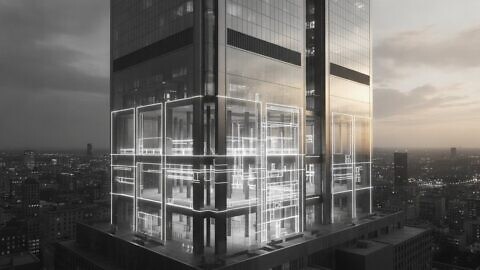
With photorealistic product rendering, artists can refine surface properties, textures, reflections and light sources with precision. A consistent golden-hour appearance can be created across a series without waiting for a particular sunset. CGI can also represent internal mechanisms or architectural layers that a camera cannot reveal in an assembled product or finished building. This flexibility still depends on accurate source information and clear art direction. Provide the studio with current CAD files or drawings, material references, dimensions and a list of the views or variations you need.
CGI and traditional photography compared
| Consideration | CGI | Traditional photography |
|---|---|---|
| Asset scalability | A digital master can support multiple visual variations; modelling and revisions still require defined production work. | Each new setup or variation may require additional physical preparation and photography. |
| Creative control | Materials, lighting, camera position and environment can be adjusted digitally. | Results depend on available locations, physical props, equipment and shoot conditions. |
| Environmental impact | Can avoid travel and physical set builds for scenes created entirely in CGI; digital production also has an energy footprint. | Travel, locations and physical sets may add environmental impact, depending on the shoot. |
| Speed to market | Can create visuals for designs that are not yet built or manufactured. | Requires a physical subject to photograph. |
Sustainability and Global Scalability
A shared digital master can help organise campaign imagery for different markets, product finishes or environments without rebuilding every scene physically. For developers assessing ESG goals, CGI may reduce reliance on travel and temporary sets in some workflows, but it is not impact-free. Production choices and computing requirements matter, so compare the full process rather than assuming one method is always more sustainable.
For a project where architectural visualisation or product imagery needs to stay consistent across formats, Line Creative’s 3D rendering and CGI can support the creation of visual assets shaped around the project’s communication needs.
Deploying High-Resolution Renders for Planning and Investment
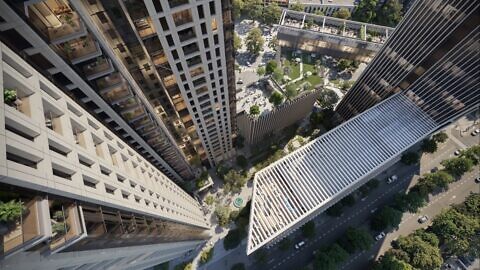
For a complex mixed-use scheme, stakeholders need to understand how a proposal relates to its surroundings, how its parts work together and what the finished development is intended to feel like. High-resolution CGI can help make scale, massing, materials and public spaces easier to interpret. It supports clear communication, but does not replace technical documentation or determine planning approval. Before commissioning imagery, identify the questions stakeholders need answered and select views that address them directly.
Visualisation for Planning Applications
Effective CGI architectural visualisation places a scheme in its proposed context and communicates its relationship to neighbouring buildings and the wider urban environment. For master-planning, imagery needs to work at two scales: an overview that makes the whole development legible, and closer views that reveal the detail behind key design decisions. Accuracy matters. Develop visuals from current project information, and check that geometry, materials and context remain consistent with the design being presented.
Clear views give people a stronger basis for assessing a proposal. A considered visual narrative can reduce ambiguity in stakeholder discussions, while overstated or inconsistent imagery may undermine confidence. When reviewing a planning visual, check whether the viewpoint makes the scheme’s scale and context easy to read, and whether any assumptions or proposed elements could be mistaken for confirmed details.
Attracting Global Investment
Investors need more than an attractive image. They need to grasp the project’s scale, intended experience and commercial proposition. A coordinated visual package can make an unbuilt scheme tangible and help partners evaluate its potential without presenting future outcomes as guaranteed. Real-time rendering, including workflows built with Unreal Engine, can support interactive walkthroughs in which viewers explore a proposed environment and gain a clearer sense of place. Availability and technical approach depend on the project brief.
For property teams, pre-construction imagery can also support early marketing conversations and sales activity. Its role is to communicate the proposal with precision, not to promise sales or investment results. Agree which visuals are intended for investor presentations, stakeholder engagement or marketing, so that each image is composed for its audience and use.
Marketing Luxury Hospitality Brands
Luxury hospitality visualisation calls for more than polished finishes. Composition, lighting and carefully chosen details can express the intended character of a hotel or resort and create an emotional connection with prospective guests. A consistent visual language helps align different scenes with the brand story, whether the focus is arrival, accommodation or shared spaces. As with photorealistic product rendering, credible detail is essential: the image should invite interest without misrepresenting what is planned.
Line Creative’s portfolio of high-stakes visualisations shows how architectural CGI can communicate complex schemes with clarity and narrative purpose.
The Line Creative Standard: Award-Winning Visual Excellence
For complex, high-value projects, CGI is not simply a matter of producing an attractive image. The visual work needs to translate design intent into a clear narrative while preserving architectural precision. Line Creative is a specialist studio providing CGI animation and 3D rendering, with a focus on architectural and product visualisation for a global client base. Its story-driven approach shapes each render around what the audience needs to understand and feel.
Line Creative’s work has received multiple CGarchitect Awards and an SME UK Award. Zaha Hadid Architects and Aman Resorts are among the organisations that have trusted the studio. These credentials offer useful context when selecting a visualisation partner, but each project still needs a process and technical approach suited to its brief.
A Collaborative Partnership Model
Strong visual outcomes depend on close alignment between the CGI studio, architects and developers. From early concepts through to marketing, collaboration can help maintain continuity between the design, its intended audience and the final visual assets. A useful brief sets out the project’s purpose, target audience, required views, available source files and any materials or design details that must be represented accurately. Clear feedback and current project information give the team a sound basis for translating complex ideas into imagery that supports decision-making.
For you, the value is a partner focused on more than producing a polished frame. Technical accuracy, narrative direction and creative judgement need to work together, particularly when a project must communicate across disciplines and international audiences. When assessing a studio, review work that is relevant to your sector and ask how it will manage changes to the design or supplied information.
Disruptive Technology and Creative Flair
Line Creative combines 3D rendering and CGI animation with evolving digital production techniques to bring ambitious narratives to life. Depending on the brief, real-time tools can support interactive exploration, while carefully directed stills and animation can communicate atmosphere, materiality and movement. The technology serves the story; it does not replace the judgement required to make imagery credible and relevant.
That principle applies to photorealistic product rendering as much as to architectural visualisation: detail and visual consistency should reinforce the intended message, not distract from it. The result is a considered visual asset for brand communication, stakeholder engagement or marketing, shaped around the project’s requirements.
For a project requiring CGI animation, 3D rendering or architectural visualisation, discuss the brief with Line Creative to identify the right visual approach.
Make Your Next Visualisation a Strategic Asset
High-stakes imagery must do more than depict a design. It should make complex ideas clear, support informed evaluation and express the project’s intended character. Photorealistic product rendering and architectural CGI can provide controlled, consistent visual assets, while careful storytelling helps those assets connect with investors, stakeholders and audiences.
Choosing the right studio matters. Line Creative brings international experience, multiple CGarchitect Awards and a track record trusted by Zaha Hadid Architects. Its recognition also includes an SME UK Award. These credentials reflect a focus on technical quality and purposeful visual communication, not a promise of commercial outcomes.
Discuss your next project with Line Creative, an award-winning CGI studio, and find a visualisation approach suited to your brief.
Frequently Asked Questions
Can photorealistic 3D rendering truly replace traditional product photography?
Not in every situation; the right choice depends on your product, audience and intended use. Photorealistic product rendering is well suited to designs that are still in development or need consistent views across multiple finishes and settings. Photography can be preferable when customers need to see a particular physical item or authentic usage conditions. Many brands use both, choosing the method that best serves each image’s purpose.
How long does the photorealistic rendering process typically take for a complex project?
There’s no reliable universal timeframe for a complex rendering project. The schedule depends on factors such as model complexity, the accuracy of supplied drawings, the number of views or animations required, and how quickly decisions and feedback are provided. Before work begins, agree the deliverables, milestones, review stages and technical specifications with your studio. A defined scope helps you plan around approvals and campaign deadlines without relying on an unsupported standard estimate.
Do I need a physical prototype to begin a product rendering project?
No, a physical prototype isn’t always needed to start. A CGI team may be able to work from suitable CAD files, technical drawings, dimensions, material references or other design documentation. The available information must be detailed enough to establish form, construction and finish accurately. If important features are still changing, identify them early and agree how revisions will be handled. This helps prevent assumptions from becoming embedded in the final visual.
What is the difference between standard CGI and photorealistic architectural renders?
CGI is the broad term for imagery created using computer graphics, and its finish can range from diagrammatic to highly realistic. Photorealistic architectural renders apply detailed modelling, material definition, lighting and composition to represent a proposed building convincingly. They also need to communicate more than appearance: accurate scale, spatial relationships and design intent matter. For planning or investment discussions, confirm that the visuals align with the current project information.
How does photorealistic rendering help in securing planning permission?
Photorealistic CGI can help decision-makers understand a proposal by showing its massing, materials and relationship to its surroundings. Clear views may make complex design information easier to assess and support discussions about a scheme’s visual context. However, renders are visual communication tools, not a guarantee of planning permission. Ensure they are based on accurate project information and used alongside the drawings and documents required for the relevant submission.
Is CGI animation suitable for high-end luxury hospitality marketing?
Yes. CGI animation can communicate a hotel or resort’s spaces, atmosphere and guest journey before the property is complete or available to film. Carefully directed movement, lighting and material detail can help express a distinctive brand story across marketing channels. The animation should reflect the approved design and the experience the operator intends to offer. Line Creative produces CGI animation and visualisation for luxury hospitality, including work trusted by Aman Resorts.