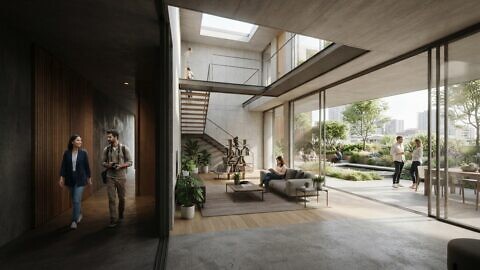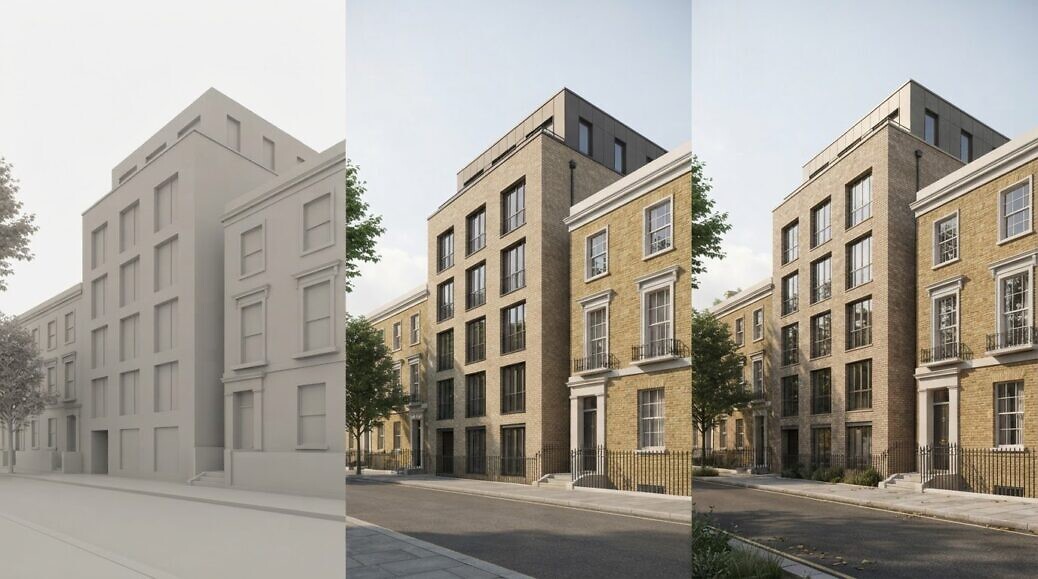
CGI production in London is driven by the scope of the brief, not a fixed timeline. Many FOOH and CGI productions take 2-4 weeks, while the work involved and the review process shape the schedule for each project.
Timing is a key project decision: CGI must communicate the design accurately and be ready when you need it. This article explains what affects a CGI production schedule and how to plan for clear, effective delivery.
You’ll learn how still imagery differs from animation, how work progresses from briefing through modelling, lighting and rendering, and how complexity, deliverables and revisions affect timing. You’ll also see what to prepare for a London CGI studio and how architectural visualisation, product imagery and animation serve different communication goals. A clear brief and agreed review process help you plan the work with confidence.
Key Takeaways
- Project timelines depend on the brief, deliverables and review process; many FOOH and CGI productions take 2-4 weeks.
- Scope, visual complexity and production requirements shape the work involved, so a clear brief helps establish a realistic plan.
- CGI production moves through distinct stages, from modelling and texturing to lighting, rendering and post-production.
- Assess a studio’s relevant portfolio, technical approach and communication process to judge how well it can meet your project’s needs.
- Choose still imagery or animation according to what you need the visuals to communicate and where they will be used.
London CGI production studio
Choose a CGI studio in London based on your project’s outputs, audience and approval needs. The right fit combines relevant visual experience with a production plan that suits your brief.
For CGI production in London, location matters less than a studio’s ability to interpret your brief and create visuals for their intended use. Review relevant work, the technical approach and the communication process before agreeing the scope.
Assessing studio suitability
Start with projects that match your sector and deliverables. A property developer may need consistent views of a proposed building, while an advertising team may need a product animation with a defined sequence. Look at composition, material detail and how clearly each example communicates its subject. Discuss review stages, file formats and approval responsibilities so the production plan fits your project or campaign.
Specialisms by project type
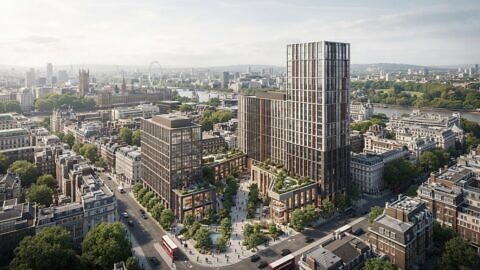
Studios may specialise in architectural visualisation, product CGI or advertising, so match their expertise to your brief. For a development, look for work that conveys scale, materials and the relationship between buildings and their surroundings. Product visuals should make form, finish and key features clear. Advertising may call for animation or FOOH, which places imaginative brand visuals in real-world environments.
Which London CGI studios specialise in each area? Look for studios whose portfolios contain relevant architectural, product or advertising examples, then assess whether those examples match your intended output. A still image communicates a single composed view; animation adds movement, storytelling, audio and dynamic sequences. A London CGI and 3D rendering studio may suit a brief centred on rendered visuals, while architectural projects benefit from relevant built-environment examples.
Are there contract, licensing or usage-rights issues to consider? Yes. Set out the agreed deliverables and usage rights in writing, including intended channels, territories, duration and whether assets can be adapted for later campaigns. Agreeing these terms before production helps ensure the final files suit your planned use.
Use the brief to assess the studio’s process as well as its visual style. A project requiring campaign stills and a launch animation, for example, needs agreement on both outputs, their formats and review points. Ask how feedback is consolidated, how design changes are handled and who approves each stage. This helps align production with your schedule and decision-making.
- Portfolio fit: Match the studio’s examples to your sector, materials and visual goals.
- Output clarity: Record each still, animation, format and intended channel in the brief.
- Rights scope: Define where, when and how the finished assets can be used.
- Review structure: Agree who gives feedback and who signs off each stage.
Planning the visual scope
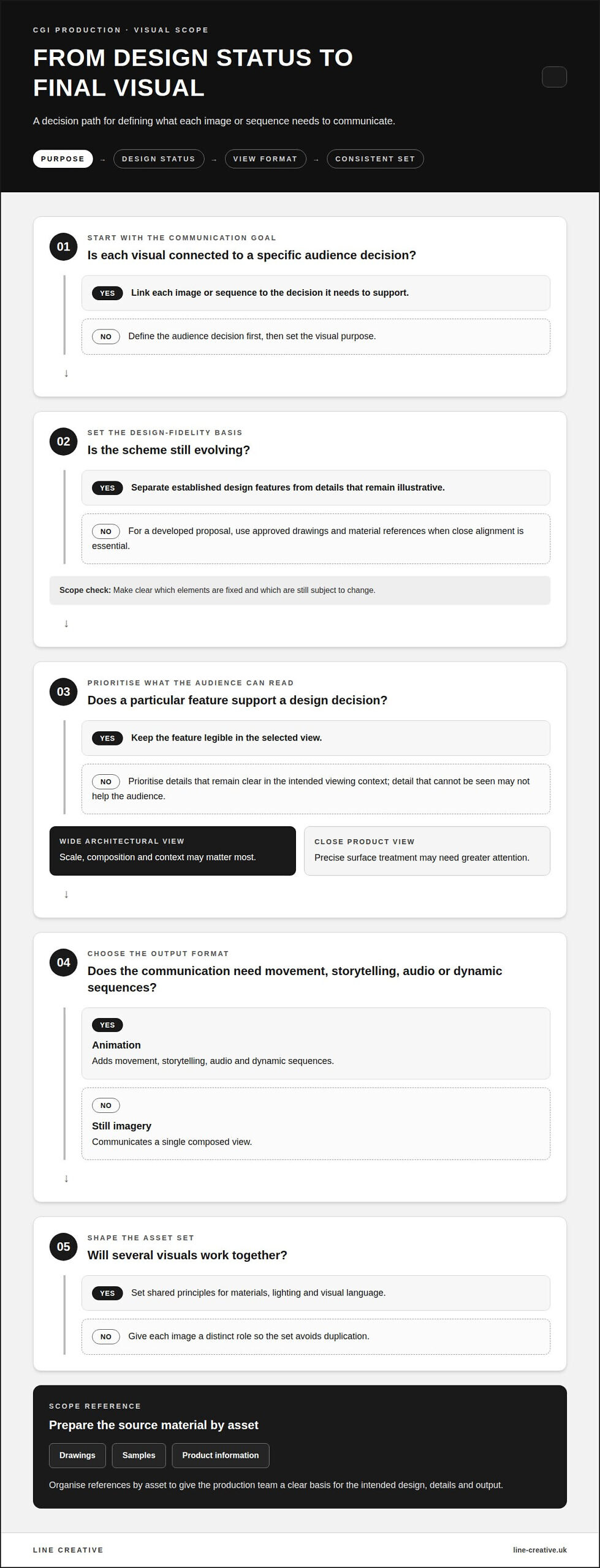
Define the visual scope by the decisions each image must support. A property team preparing a planning presentation may need clear views of massing, entrances and public space. A product team may need imagery that shows shape, finish and assembly. Linking each visual to a communication purpose makes it easier to define what it must represent and which details should stand out.
Set the required level of design fidelity. A concept-stage scheme may still be evolving, so distinguish fixed design features from elements that remain illustrative. For a developed proposal, close alignment with approved drawings and material references may be essential. This gives artists a clear basis for representing the design without implying certainty where the project remains subject to change.
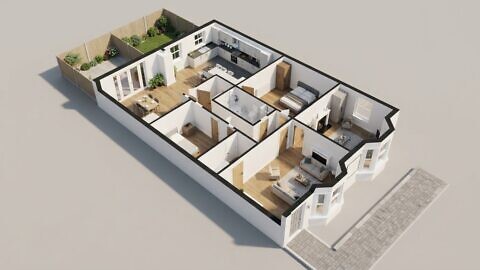
Consider how the assets will work together. Property images can use consistent materials, lighting and visual language, even when each frame presents a different space. Product views can maintain a coherent appearance across colour or finish variations. Agreeing these principles early helps avoid disconnected images and creates a recognisable visual story for stakeholders.
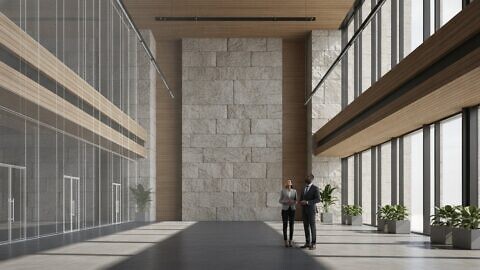
Prioritise detail according to viewing context. A close product view may need precise surface treatment, while a wide architectural image may rely more on scale, composition and context. Detail that cannot be seen in the final format may not help the audience. A feature central to a design decision, by contrast, should remain legible in the selected view.
- Purpose: Connect each image or sequence to a specific audience decision.
- Design status: Separate established elements from concept-stage details.
- Visual consistency: Set shared principles for materials, lighting and composition.
- Viewing context: Prioritise details that remain clear in the intended presentation.
- Source references: Organise drawings, samples and product information by asset.
These choices make the scope easier to communicate and review. A property presentation might prioritise a principal exterior view and supporting images of shared spaces, while a product launch could centre on a hero view and detail-led alternatives. Giving each image a distinct role avoids duplication. Reviewing relevant CGI examples can help clarify how composition and detail serve different objectives. A focused brief gives the production team a coherent framework for purposeful imagery.
CGI production process
A CGI project moves through defined production stages, from the initial brief to final delivery. Clear approvals at each stage keep the visual direction aligned with the intended audience and use.
- Brief and reference review. The studio establishes the subject, audience, outputs and delivery requirements. An architect might provide plans and material references; a brand may supply product photography, packaging details and campaign direction. These inputs guide the visual approach.
- Modelling. Artists create or refine the three-dimensional objects and environments. For a property scene, this can include building geometry, interior elements and surrounding context. Accurate source drawings help the model reflect the intended design and proportions.
- Texturing. Materials are assigned to the model, including surface colour, reflectivity and finish. A brushed metal product and a glazed façade need different material treatments. Reference images help establish a consistent visual target.
- Lighting and composition. The team positions cameras and light sources to shape each view. A residential interior may need daylight that communicates room depth; an agency campaign may call for a more controlled, graphic composition.
- Rendering and animation. Still images are rendered from approved scenes. For CGI animation, artists plan camera movement, object motion and sequence timing, then render frames that form the finished motion piece.
- Post-production and delivery. Final images or sequences receive colour, compositing and detail adjustments. The studio then prepares the approved assets in the agreed formats for their intended channels.
Each approval point informs the next stage. Approving a camera view before detailed rendering, for example, reduces the risk of late composition changes. Consolidated feedback from your team gives artists clear direction, whether the decision-makers are developers, architects, marketers or agencies. The review sequence should specify who provides feedback and who signs off each milestone.
Timing follows the scope and review process rather than a universal schedule. Many FOOH and CGI productions take 2-4 weeks, while modelling complexity, animation length and feedback cycles affect the schedule. A product animation involving several scenes requires different production work from a single still. Early agreement on assets, approvals and delivery formats gives the studio a practical basis for planning.
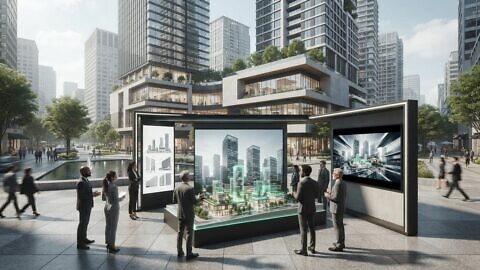
Before production begins, connect each asset to its purpose in the brief. A property team may need stills for a presentation, while a brand may require CGI animation for a campaign. This distinction informs camera design, sequence planning and delivery, keeping production decisions tied to the visual message.
What should clients look for when choosing a CGI production company in London?
Choose a studio based on the demands of your brief, not reputation alone. A property developer needs different visual evidence from a product brand launching a new range. Define the audience, intended channels and decisions the images must support. These criteria make portfolio reviews and production discussions more focused.
Review work that matches your project type and visual requirements. For architectural imagery, examine how clearly the portfolio communicates scale, materials, light and context. For product work, look closely at surface finishes, reflections and fine detail. If you need animation, assess how the studio handles movement, continuity and visual storytelling across a sequence.
Technical delivery matters as much as the image itself. Confirm that the proposed formats, resolution and aspect ratios suit your platforms. A property presentation, website and social campaign may need different crops or versions. If interactive exploration is relevant, discuss whether real-time rendering with Unreal Engine suits the project.
Assess how the studio manages decisions. A clear workflow identifies review points, feedback routes and who is responsible for approval. A developer, for example, may need input from an architect, marketing team and project stakeholders. Agreeing how to provide consolidated feedback can prevent conflicting direction and keep visual decisions aligned.
Clarify usage rights and delivery terms before work begins. Record the agreed assets, permitted channels, territories, duration and any adaptation requirements. If a campaign spans print and digital placements, specify those intended uses in the agreement. This helps match the delivered files and usage permissions to your planned communications.
- Relevant experience: Match portfolio examples to your sector, output and intended audience.
- Technical fit: Set out formats, resolutions and platform requirements in the brief.
- Review structure: Identify decision-makers and agree how feedback is consolidated.
- Rights and usage: Document where, how and for how long the assets may be used.
- Communication: Establish who leads updates and handles approvals at each stage.
Use these criteria to assess how a studio will work with your team, not just how polished its images look. A portfolio demonstrates visual quality, while a defined workflow shows how the studio will translate your requirements into deliverables. The strongest fit is one whose experience, technical approach and communication support the decisions your project must enable.
If your brief is ready, discuss your CGI project requirements and the visual outcomes you need.
Line Creative: Product visualisation
Line Creative creates product visualisations for brands that need clear, considered imagery to communicate a product’s form, finish and intended use. CGI is a practical fit when photography cannot represent a product still in development, or when campaign assets need consistent views across different settings.
For a single hero image, 3D Rendering can focus attention on material and detail. CGI Animation can add movement when a sequence better explains a product or its features. For property and built-environment projects, Architectural visualisation translates design information into visual material for presentations and marketing.
A clear brief helps align the selected format with your audience, channels and approval process. To discuss the visual approach for your project, contact Line Creative.
Put your next visual project in motion
Strong CGI begins with a clear understanding of what your audience needs to know. Treat each asset as part of a wider communication plan, whether it supports a development presentation, product launch or future campaign. This gives the production team a sharper creative direction and ties visual choices to the purpose of the work.
For CGI production in London, Line Creative can shape that direction through CGI Animation, 3D Rendering and Architectural visualisation. Each offers a distinct way to communicate a product or place, from a composed still image to a moving visual sequence. The right format depends on the message you need the asset to carry.
Bring your project brief, reference material and intended uses into the first conversation. A focused discussion can help establish the visual requirements and the most suitable next step. Contact Line Creative about your project and move your next visual project forward with clarity.
Frequently Asked Questions
How long does a CGI production project take?
Agree the production schedule around your project’s key decision dates. Identify when stakeholders need to review the visuals and when approved assets must be ready for use. For a launch tied to a public announcement, allow time for internal sign-off before release. This gives the production team a clear deadline without assuming every project follows the same calendar.
What information should your CGI project brief include?
For a useful proposal, explain the project’s purpose, current design stage and who will approve the visual direction. Clarify any fixed presentation or launch date, and whether the imagery needs to follow existing brand guidelines. A property team preparing investor materials, for example, may need a different visual emphasis from one communicating a scheme to future residents.
What does a CGI studio do?
A CGI studio turns design information into visual communication; it does not determine the underlying architectural design. Its work can help audiences understand a proposal before the physical space or product exists. A visual might communicate the intended atmosphere of a future interior, for example, while keeping the represented design aligned with the information supplied.
What CGI production services do London studios offer?
CGI production in London can include still imagery and animation, with the right format depending on the project. A still can focus attention on a chosen composition, while a sequence can communicate movement or change over time. For a property presentation, consider whether stakeholders need to inspect a particular view or follow a visual narrative.
Which CGI production companies are based in London?
Line Creative creates visual communication for complex, high-value mixed-use schemes, supporting planning, investment and marketing. Its work draws on CGI technologies and long-standing industry knowledge. Consider how this approach fits your sector, audience and intended outcome when choosing a studio for your project.
What file formats and project materials do London CGI studios require?
Provide relevant plans, drawings, material references or samples, and, depending on the project, product information or photography. Agree the required file formats with the studio as part of the brief.