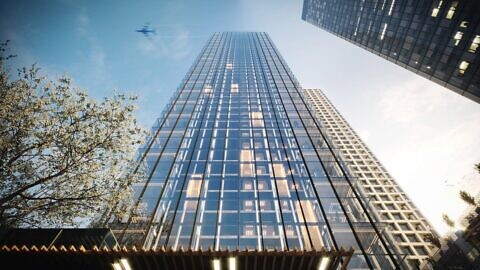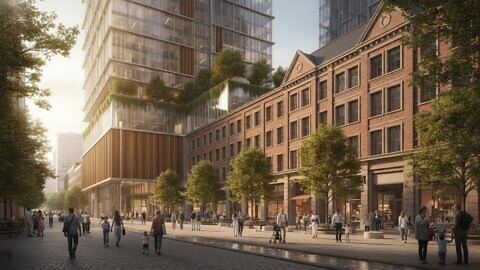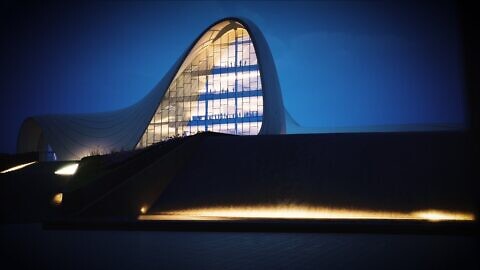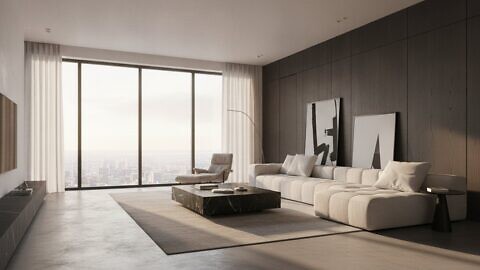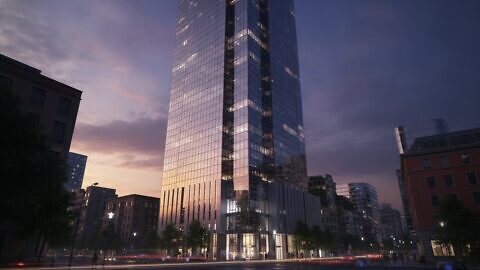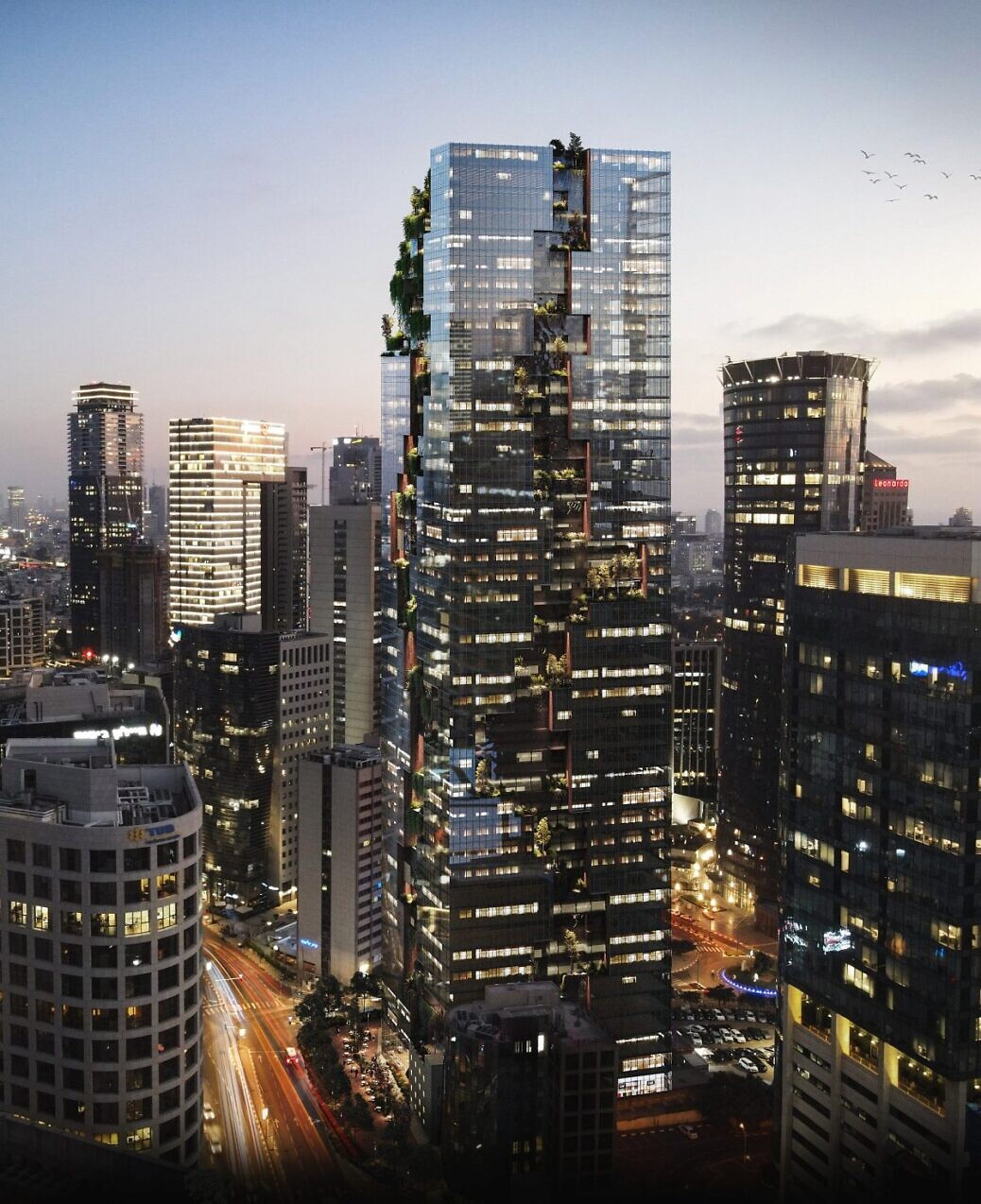
In the high-stakes world of property development, a mediocre visual is no longer just a missed opportunity. It’s a strategic liability. For complex, mixed-use schemes, the margin for error is non-existent, and unconvincing imagery often leads directly to investor skepticism or planning rejections. You understand that your project deserves more than a standard digital sketch. It requires photorealistic architectural renders that are precise, evocative, and technically flawless. These assets aren’t merely aesthetic luxuries; they’re the essential safeguard against failure in an increasingly crowded and critical market.
Investors and planning committees aren’t looking for potential; they’re looking for proof. This article outlines how sophisticated visual communication acts as a definitive solution to information overload, ensuring your project’s viability is unquestioned. We’ll examine the transition from standard visualisation to strategic asset creation, showing you how to drive pre-build sales and secure investment through technical excellence. You’ll discover the methodology behind turning complex narratives into real visual life whilst building a premium brand narrative that commands respect. By the end, you’ll understand why the right imagery is the most powerful tool in your commercial arsenal.
Key Takeaways
- Understand why photorealistic architectural renders are a strategic necessity rather than an aesthetic choice for securing planning on high-value developments.
- Learn how technical precision in light simulation and material physics creates the emotional weight required to convince skeptical investors.
- Discover the critical limitations of AI rendering tools and why bespoke studio expertise is essential for legally binding architectural accuracy.
- Identify how high-end CGI serves as a definitive risk-mitigation tool, accelerating the approval process by removing visual ambiguity.
- Realise the commercial advantage of using premium visualisations to drive pre-build sales and establish a sophisticated brand narrative.
Defining Photorealistic Architectural Renders vs. Standard Visualisation
Photorealistic architectural renders are not merely digital drawings. They represent precision-engineered simulations of reality. Unlike standard CGI, which often feels sterile or artificial, true photorealism relies on advanced light transport algorithms and rigorous material physics. This level of architectural illustration ensures that every photon, reflection, and texture behaves exactly as it would in the physical world. It’s the difference between a placeholder and a promise.
Standard visualisation frequently falls into the “uncanny valley.” This is a psychological space where an image is almost real but contains subtle, jarring inaccuracies. These flaws, such as flat lighting, repetitive textures, or impossible shadows, trigger a subconscious rejection in the viewer. For high-value mixed-use schemes, this rejection is catastrophic. It breeds doubt amongst stakeholders. We bridge this gap through material honesty, ensuring that wood, glass, and concrete possess the tactile, atmospheric, and structural qualities required to build absolute trust.
The Psychological Impact of Realism on Stakeholders
The human brain processes believable imagery far more effectively than stylised CGI. Investors don’t just see a building; they feel the space. High-fidelity photorealistic architectural renders reduce perceived risk by removing the need for imagination. When stakeholders see the exact play of light on a facade at dusk, the project shifts from a risky concept to a tangible reality. This clarity is essential for complex developments where the stakes are high. It validates the architect’s vision and the developer’s investment in one definitive stroke.
In many large-scale developments, these visualisations are eventually integrated into sophisticated command centres to oversee ongoing operations; read more about Activu Corporation and their mission-critical display solutions.
Visual Communication: More Than Just a Picture
CGI is a strategic narrative tool. It’s about storytelling and brand building. We transform abstract architectural concepts into real visual life, moving beyond the simple “render” to create comprehensive visual campaigns. This distinction is vital for those targeting the portfolio of global architects. A basic render shows what a building looks like. A visual campaign communicates how it will function, succeed, and define its environment. It’s an essential safeguard against failure in a competitive digital landscape. Partnering with a world-class 3D visualisation agency ensures that this strategic narrative is executed with the technical precision and creative authority your development demands.
The Technical Anatomy of a High-End Architectural Render
High-end photorealistic architectural renders are built on a foundation of mathematical precision. It isn’t enough to simply place a 3D model in a scene. True realism requires the deployment of sophisticated light transport algorithms that mirror the chaotic, beautiful behaviour of photons in the real world. This technical rigour separates a mere digital sketch from a strategic investment asset. When a render fails to convince, it’s usually because the physics of the environment have been ignored.
Authenticity lives in the micro-details. The slight variation in a brick’s hue, the microscopic dust on a polished surface, or the way light bends through a water feature provide the subconscious cues that signal “real.” Coupled with a cinematic approach to composition, we frame each shot with a director’s eye. We don’t just show the building; we curate the experience, using focal lengths and depth of field to guide the viewer’s attention toward the most commercially significant features of the development. This meticulous approach ensures that every frame serves a specific narrative purpose.
Lighting: The Language of Atmosphere
Lighting is the primary driver of emotional resonance. Whether it’s the crisp, cool clarity of a London morning or the warm, amber glow of a sunset reflecting off a glass curtain wall, lighting tells a story. Global Illumination is the simulation of light bouncing off surfaces to create natural shadows. By mastering this, we move beyond flat imagery to create depth and volume that feels instinctively correct to the human eye. This mastery allows us to simulate specific weather conditions that evoke the desired mood, transforming a structure into a living environment.
Materiality and Texture Detail
Surface quality is where many standard renders fail. We utilise Physically Based Rendering (PBR) materials to ensure that light absorption and reflection are physically accurate across every surface. Generic libraries cannot capture the subtle imperfections of weathered stone or the specific refraction of high-performance glazing. We use disruptive CGI technologies to craft bespoke textures that invite the viewer to reach out and touch the surface. This level of 3D rendering expertise ensures that your project is grounded in reality, providing the material honesty required to convince investors of a project’s quality.
Comparison: Bespoke CGI Studios vs. AI Rendering Tools
The rise of generative AI has introduced a dangerous misconception: that speed equals value. Whilst AI tools can produce imagery that appears convincing at a glance, they often fail the test of architectural rigour. High-value developments require photorealistic architectural renders that are grounded in physical reality, not algorithmic “hallucinations.” AI frequently invents geometry or misinterprets material physics, creating a visual fiction that can derail a project’s credibility. For a complex mixed-use scheme, these inaccuracies are more than just aesthetic flaws; they are strategic liabilities. Many firms choose to outsource 3D rendering to specialist studios precisely to avoid these risks and ensure architectural accuracy that internal teams or AI tools cannot reliably deliver.
Planning permission is a legally binding process. The visual evidence presented to authorities must be a precise representation of the proposed build. Bespoke CGI studios ensure that every material specification and site-specific context is meticulously accounted for. To ensure your project is grounded in accurate site data, you can check out South Surveyors for professional property surveying. If a planner identifies a discrepancy between the render and the technical drawings, the resulting loss of trust can be fatal to the project’s timeline. Precision is the essential safeguard against such failure.
Control and Customisation in High-Stakes Projects
Architects and developers cannot afford to leave their vision to chance. You need granular control over every shadow, reflection, and texture to communicate quality. An AI’s “best guess” is insufficient when the goal is to build a premium brand narrative. Our work demonstrates how technical precision and creative flair combine to protect the architect’s design intent whilst driving commercial interest. You can view the results of this rigorous, human-led approach in our Line Creative Portfolio.
The Role of AI as a Tool, Not a Replacement
We integrate emerging technologies to refine our methodology, but the strategic narrative remains human-centric. Algorithms lack the empathy required to understand an investor’s skepticism or a community’s concerns. Crucially, AI renders often lack the ‘geospatial accuracy’ required for planning applications. They cannot reliably place a building within its real-world environment with the surgical precision required by local authorities. A machine sees pixels; a professional studio sees a commercial outcome.
To ensure your project is represented with absolute accuracy and strategic intent, contact our studio to discuss your visual communication requirements.
The Commercial Case: ROI and Planning Success
Investing in photorealistic architectural renders is a calculated move to protect a project’s financial viability. For complex, mixed-use developments, the cost of a three-month delay in planning often far exceeds the investment in premium visualisation. These assets serve as a definitive solution to stakeholder hesitation, converting abstract architectural data into a persuasive commercial narrative. When you present a vision that’s indistinguishable from reality, you aren’t just showing a design. You’re demonstrating certainty. This technical rigour transforms the render from a simple image into a high-yield strategic tool.
Winning Planning Permission with Visual Authority
Planning committees and local communities often struggle to interpret technical elevations or low-fidelity sketches. Ambiguity is the primary cause of friction and rejection. By providing transparent, accurate, and high-fidelity imagery, you establish visual authority. This clarity allows authorities to understand the scheme’s impact on the urban fabric with absolute confidence. Our expertise in Architectural Rendering London ensures that your submission meets the rigorous standards required to accelerate the approval process and mitigate the risk of costly appeals.
Attracting Investment and Driving Property Sales
High-net-worth investors and commercial tenants demand a brand narrative that reflects the quality of the build. Standard CGI often feels disposable, whilst photorealism suggests longevity and excellence. We use disruptive technologies to create immersive experiences, including property CGI and 3D animations, that allow potential buyers to inhabit the space before the first stone is laid. This emotional connection is the catalyst for pre-build sales and secure investment, providing the capital injection necessary for project momentum. It’s about building a premium narrative that commands respect from the outset. Understanding the full strategic advantage of engaging a dedicated 3D visualisation agency is essential for developers seeking to maximise commercial returns and accelerate project velocity.
Ultimately, a premium visual asset pays for itself through project velocity. Faster planning approvals and earlier sales cycles ensure your capital is working more efficiently. As an award-winning international studio, we don’t just provide pictures; we provide the safeguard your development needs to succeed in a competitive landscape. Contact Line Creative today to discuss how we can bring your next high-value project to real visual life and secure your commercial success.
Secure Your Project’s Commercial Future
The transition from a speculative concept to a tangible, high-value asset depends on the quality of your visual communication. Standard imagery often fails to bridge the gap between design intent and stakeholder confidence. By prioritising photorealistic architectural renders, you deploy a definitive safeguard against planning delays and investor scepticism. You ensure that every material detail and light-filled corridor is grounded in physical reality, providing the precision required for legally binding submissions. It’s the difference between a project that stalls and one that succeeds.
As an award-winning international studio, we specialise in the complex mixed-use schemes that define modern skylines. We’re trusted by global architects and developers to turn sophisticated narratives into real visual life. This partnership goes beyond simple visualisation; it’s about building a premium brand narrative that commands respect and drives commercial success. Don’t leave your project’s viability to chance or unconvincing algorithms. The stakes are too high for anything less than technical excellence.
Secure your project’s success with Line Creative’s award-winning CGI. We look forward to bringing your architectural vision to life with the precision it deserves.
Frequently Asked Questions
What is the difference between standard 3D rendering and photorealistic renders?
The distinction lies in technical rigour and material honesty. Photorealistic architectural renders utilise Global Illumination and physically based rendering (PBR) to simulate real-world light behaviour with absolute precision. Standard 3D rendering often relies on generic lighting and textures; this results in a sterile, artificial appearance that lacks the emotional resonance and tactile quality needed for high-stakes stakeholder presentations.
How long does it take to produce a photorealistic architectural render for a large scheme?
Timelines depend on the specific complexity and scale of the mixed-use development. Typically, a high-fidelity visual campaign for a large scheme requires between four and eight weeks from the initial briefing to final delivery. This period allows for meticulous structural modelling, material refinement, and multiple review cycles. It ensures the final assets meet the surgical precision required for both planning and investment phases.
Are photorealistic renders necessary for planning permission applications?
High-fidelity imagery is a strategic necessity for securing approval on complex projects. Whilst basic drawings show intent, photorealism removes the visual ambiguity that frequently leads to planning rejections. Local authorities and communities require a transparent, accurate representation of the project’s impact on the urban fabric. Providing this clarity acts as an essential safeguard against failure and accelerates the approval process.
Can AI tools create the same quality of renders as a specialist CGI studio?
AI tools currently lack the architectural rigour and geospatial accuracy provided by a specialist CGI studio. Algorithms often “hallucinate” details, misinterpreting structural geometry or specific material specifications. A bespoke studio provides the granular control required for legally binding planning documents. We ensure every shadow and reflection is physically correct, whereas AI prioritises speed over architectural truth.
What information do I need to provide to a CGI studio to get a photorealistic render?
You must provide comprehensive technical data to ensure absolute accuracy in the final output. This includes architectural CAD files or BIM models, a detailed material schedule, and high-resolution site photography for context. A clear narrative regarding the project’s target audience and desired atmosphere is also vital. This data allows us to transform technical concepts into real visual life with precision and strategic intent.
How much do photorealistic architectural renders cost for a mixed-use development?
Investment levels are determined by the specific requirements, scale, and narrative complexity of your scheme. Each project is unique; it requires a bespoke methodology to ensure the highest commercial return. We focus on creating premium visual assets that pay for themselves through faster project timelines and secured investment. To receive a precise assessment for your development, we recommend contacting our studio for a detailed consultation.