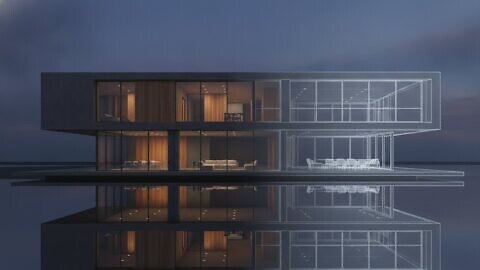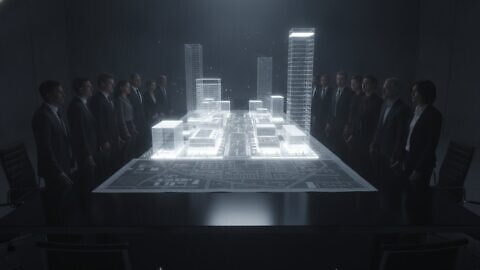
Entry-level virtual photo (photorealistic product rendering) assets typically cost around $50 per asset according to market listings, though custom commercial projects vary based on complexity. Partnering with a product visualisation studio gives you scalable virtual photo outputs, CAD conversions, and interactive 3D (real-time rendering) assets for modern eCommerce. Your high-stakes decisions are which render pipeline fits your scope, how file-delivery transparency protects launch dates, and when outsourcing CGI is the wrong move versus a physical shoot. Modern visual pipelines convert technical data into high-converting commercial media across marketing channels.
Key Takeaways: A product visualisation studio converts CAD data into photorealistic assets to scale eCommerce imagery and boost conversion rates by up to 94% via Shopify.
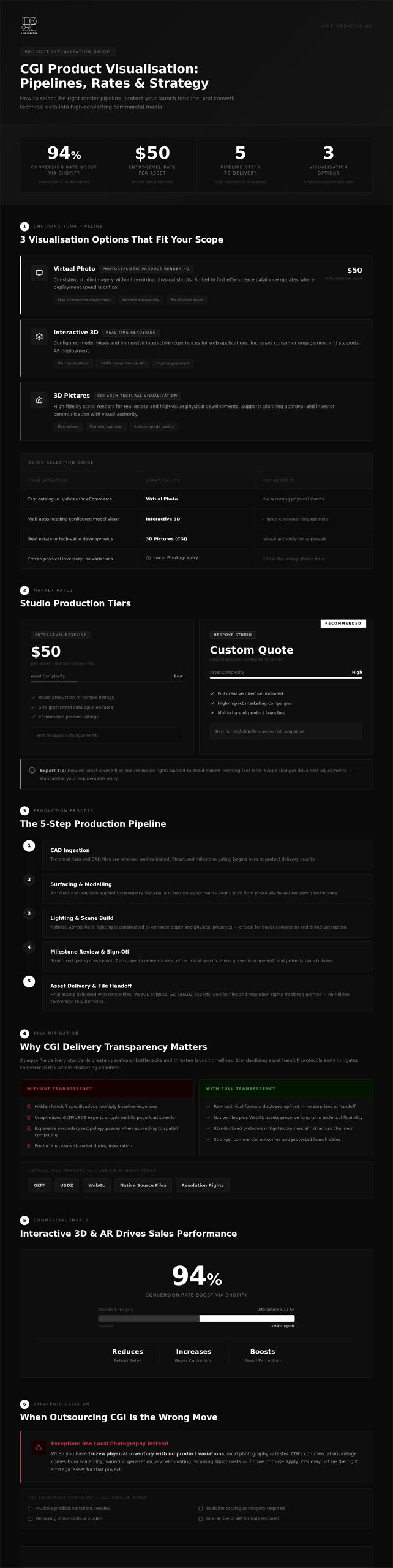
- Entry-level virtual photo assets typically cost $50 per asset according to market listings.
- Except when you have frozen physical inventory and no variations, where local photography is faster.
- Prioritise interactive 3D for web applications to increase consumer engagement through configured model views.
- The 5-step pipeline including CAD ingestion and surfacing ensures photorealistic quality through structured milestone gating.
3 Visualisation options that fit your scope
Open-ended timelines often paralyse creative execution rather than improving output quality: excess time delays critical scope boundaries instead of raising the work. Selecting the right render pipeline depends on your commercial scope, asset complexity, and deployment speed.
Three situations you are likely to face, with a concrete path drawn from the options below:
- Fast eCommerce catalog updates: use virtual photo so you ship consistent studio imagery without recurring physical shoots.
- Web apps that need configured model views and stronger engagement: prioritise interactive 3D.
- Real estate or high-value physical developments: rely on 3D pictures (CGI architectural visualisation).
You must choose options that protect your capital and timeline:
- Virtual photo suits fast eCommerce deployment. You can book unlimited product rendering to build consistent studio imagery without recurring physical shoots.
- Interactive 3D fits web applications that need high consumer engagement through configured model views.
- 3D pictures support real estate and high-value physical developments.
As defined in the Wikipedia 2026 visualization graphic overview, spatial graphics translate abstract technical data into precise visual communication. Choosing wrong creates strategic liability. Standardise your scope early.
Typical market rates for 3d renders
Vendor pricing only becomes useful once you separate catalog baselines from campaign-grade production. Based on current vendor data, standard baseline images sit near the entry-level market listing rate per asset. Standard entry-level options offer rapid production for simple e-commerce listings, whereas bespoke studios provide tailored assets designed for high-impact marketing campaigns. Investing in higher visual fidelity protects your commercial position by reducing return rates and increasing buyer conversion. You can explore virtual production coverage to see how tailored production values boost brand perception.
Pricing structures vary based on project complexity and asset requirements. Entry tier virtual photo outputs suit basic catalog needs, while custom studio tiers deliver full creative direction.
| Studio Production Tier | Asset Complexity | Strategic Application |
|---|---|---|
| Entry-Level Baseline | Low complexity | E-commerce product listings |
| Bespoke Studio | High complexity | Marketing and launch campaigns |
Scope changes drive cost adjustments. Basic tiers fit straightforward catalog updates; bespoke production suits multi-channel product launches. Request a personalized quote to receive exact figures for your specific project requirements.
Tip: Request asset source files and resolution rights upfront to avoid hidden licensing fees later.
Why CGI delivery transparency matters for eCommerce
Unclear file delivery formats and hidden pricing structures create serious operational bottlenecks for online retailers. Basic 3D modeling services can look inexpensive on market listings, yet hidden handoff specifications multiply baseline expenses. We hold a firm professional position that studios must disclose raw technical formats upfront because unexpected conversion requirements directly threaten launch timelines. Standardizing asset handoff protocols early mitigates commercial risk across marketing channels.
Uncompressed GLTF or USDZ exports without optimized draw calls quietly cripple mobile page load speeds. Receiving native files alongside WebGL assets keeps long-term flexibility for your internal technical teams. When you expand digital campaigns into spatial computing platforms, securing fully prepped files from a visualisation provider prevents expensive secondary retopology passes.
Opaque delivery standards leave production teams stranded during integration, and that friction pushes teams to second-guess approved renders right before deployment.
Among Google reviews for Line Creative, one reviewer (5★) wrote:
"Thoroughly happy with Line Creative’s professionalism. Highly recommend them. Omer in particular was an absolute pleasure to work with."
Clear communication and technical precision cut project friction, which is why transparent production pipelines produce stronger commercial outcomes.
That same loop shows up outside CGI when scope stays fuzzy. A commenter in the nightingaledvs.com thread "Finding a Through Line, or My Creative Process Is a Mess, So…" described the pattern brands feel when handoffs stay vague:
"My creative process, whether it’s painting, writing, or data visualization, is often something like: intense work -> self doubt -> start over -> intense work -> self doubt -> start over -> intense work -> self doubt -> return to original idea with fresh eyes -> finish project." (source)
Unclear technical delivery standards amplify that cycle during product launches. Standardized file handoffs remove technical uncertainty so you can deploy assets with confidence.
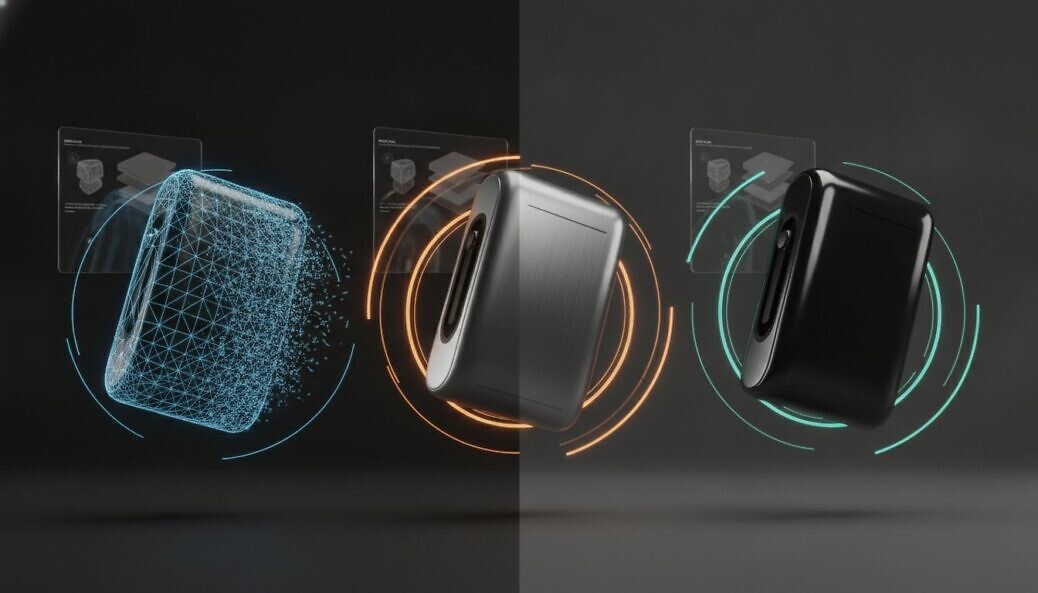
How 3d product visualization works
Photorealistic output is not a single render click: you get there through a structured 5-step pipeline that converts raw engineering data into marketing assets. In live studio environments, strict milestone gating prevents costly back-and-forth late in production. Missing technical CAD data causes immediate pipeline delays. You can review flexible Studio Editor options for your product line.
- CAD Ingestion: Converting raw engineering geometry into clean polygonal meshes.
- Surfacing: Applying physically accurate virtual photo materials.
- Lighting Setup: Building studio illumination to highlight core product features.
- Interactive Configuration: Integrating 3D pictures into interactive 3D viewers.
- Final Render: Executing high-resolution outputs for global campaign launch.
Without structured checkpoints, micro-adjustments destroy production timelines. Structured sign-offs lock in geometry before lighting starts, protecting your budget.
The same pressure appears when creative work lacks a hard stop. A commenter in the nightingaledvs.com thread "Finding a Through Line, or My Creative Process Is a Mess, So…" wrote:
"Deadlines help with the issue of persistent iteration. Knowing that at 8PM on December 10th I’d be presenting these posters whether I thought they were totally done or not was helpful in guiding the final designs and choices." (source)
Firm milestone deadlines force key creative decisions and stop endless asset revisions. Structured production sign-offs protect project timelines and commercial launch dates.
Interactive 3D and AR Content Boosts Sales by 94%
If cart abandonment is eating your paid traffic, format choice matters as much as creative polish. Integrating interactive 3D into your store lowers abandonment and accelerates purchase decisions.
In daily production workflow, technical format integration acts as the digital blueprint for higher conversions. Evaluating assets means matching WebGL output standards directly to your existing software stack.
Data from the Shopify platform indicates that products featuring interactive 3D content generate up to 94% higher conversion rates compared to traditional 2D images. That shift turns online window shopping into active product inspection. Entry-level catalog upgrades stay accessible when you start from market listing baselines rather than full bespoke campaigns.
Deploying augmented reality requires strict asset optimisation so mobile devices load instantly. Web-based immersive reality solutions let you view items directly in physical space without downloading separate software applications.
Validated formats reduce friction at checkout. Line Creative builds asset pipelines that stream across web platforms. Choose GLTF models for universal browser compatibility, or USDZ files if you target iOS users exclusively. Investing in validated asset formats protects your store against future digital rendering changes.
When outsourcing CGI visualisations is a bad choice
3D rendering is not the efficient path for every product catalog, and treating it as a default creates waste.
When you need a quick virtual photo of an existing object with no physical variations, local studio photography wins. From practical project audits, logistics dictate technology. If shipping one item to a local photographer takes two hours, rendering digital assets from scratch introduces unnecessary friction. Direct photography protects capital when your physical inventory is fully frozen.
What few people think of: physical prototypes often contain subtle surface defects that reveal real-world wear better than early digital CAD files. Digital assets excel at scale, yet simple static items bypass those benefits.
Market listing baselines for single-image renders make digital production inefficient for one-off physical items. Line Creative assists teams with complex product lines, but physical camera setups suit local, single-item shoots better.
Outsourcing 3D pictures fails when your design team lacks final CAD files. Investing in preliminary geometry wastes budget. If your internal developers tweak dimensions daily, pause CGI production.
Interactive 3D fits global, multi-option product lines; traditional camera work fits static, locally available goods.
Frequently asked questions
How much does 3D product rendering typically cost?
Production expenses vary based on geometry complexity, material setup, and final image resolution. You receive custom estimates after a studio reviews your CAD files or technical specifications.
How much does a 3D visualizer cost?
Rates depend on artist seniority, project scope, and required turnarounds. According to market listings, visualizers charge hourly rates aligned with entry-level asset pricing.
How much does 3D product animation cost?
Animation pricing reflects storyboard length, motion complexity, lighting adjustments, and frame rendering demands. A direct consultation gives you an exact proposal based on your specific video requirements.
What is product visualization?
Product visualization creates virtual photo assets using computer graphics for marketing and design verification. Interactive 3D content supports higher engagement than traditional still images when you deploy it in catalog and storefront contexts.
What does it take to create a photorealistic product visualization?
Generating true 3D pictures demands precise polygonal modeling, accurate texture maps, and realistic lighting simulations. Skilled digital artists adjust virtual camera angles to highlight critical functional details.
Partner with a product visualisation studio
Balancing technical delivery with predictable timelines protects your visual investments in 2026. The same decision questions you started with (pipeline fit, delivery transparency, and when not to outsource) determine whether CGI becomes a strategic asset or a strategic liability. A dedicated product visualisation studio manages complex commercial requirements through virtual photo workflows.
The Line Creative team delivers 3D pictures and interactive 3D assets tailored to your specifications. Review verified visual solutions. More on this: Motiva Studio Editor.
Reach out to request a project quote.