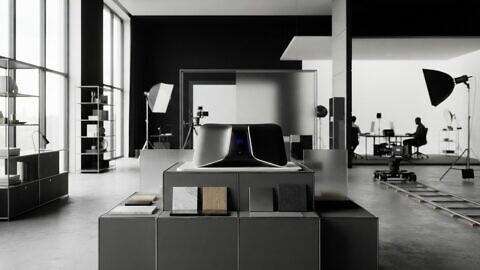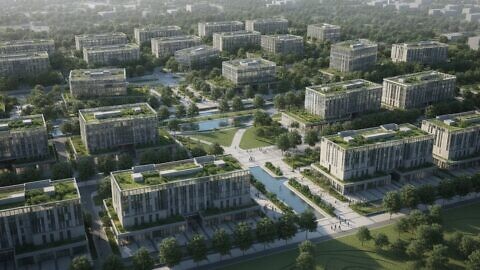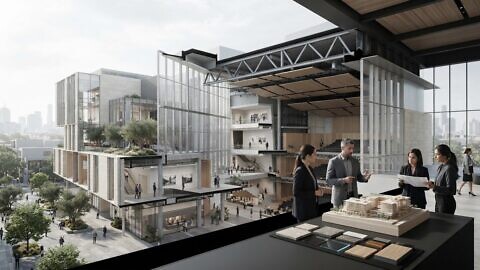
Editorial CGI succeeds when the image does more than look convincing: it gives an idea a clear visual point of view. For property developers, architects, marketers and advertising firms, it can create carefully art-directed imagery for a campaign, publication or project narrative, without relying on a camera-ready physical scene.
That flexibility comes with decisions. The brief, scene complexity, digital assets and required formats all shape the production scope, so there is no standard answer to what a project involves. Consider not just the final image, but how its creative direction and technical requirements support your intended use. This article explains what editorial CGI is, where it can add value, how it differs from other visualisation approaches and which details matter when defining a brief. You will have a clearer basis for deciding whether it suits your communication goals and what to specify before production begins.
Key Takeaways
- Understand how computer-generated imagery creates visual content from digital models, scenes and lighting.
- Identify where CGI can support a visual narrative, from architectural concepts to product imagery.
- Distinguish editorial imagery from product-focused visuals and photography by considering the purpose and creative direction.
- Explore how campaigns and project imagery can communicate ideas that are difficult to capture in a physical setting.
- Define the intended audience, visual style and deliverables clearly to give a CGI project a focused brief.
Definition of computer-generated imagery
Computer-generated imagery (CGI) is visual content created or altered with computer software. Artists build digital objects, materials, lighting and environments, then render them as still images or moving sequences. A virtual scene can depict a proposed building, a redesigned product or an imagined editorial setting. Unlike a photograph, its camera view and lighting are created within a digital scene.
CGI developed from technical experiments into a feature of film, design and publishing. In 1972, Edwin Catmull and Fred Parke’s short film A Computer Generated Hand represented a model hand with 350 polygons and triangles. Disney’s Tron, released in 1982, presented scenes set inside a computer world. These examples show how innovation moved from modelling basic forms to constructing complete virtual environments.
Today, CGI is used in everything from film effects to architecture and product imagery. Editorial CGI uses these tools to build an image around a publication’s concept, rather than simply document an existing scene. For example, it can place a proposed building in a carefully art-directed landscape before construction begins.
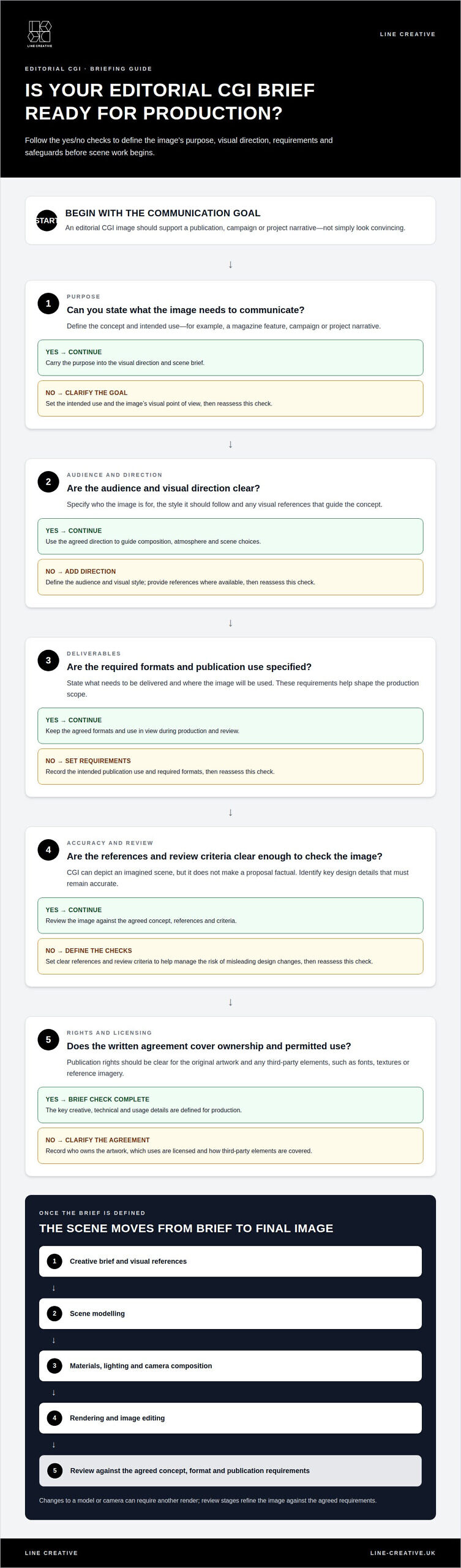
What are the copyright and licensing rules for editorial CGI images? The written agreement should state who owns the original artwork and which uses the client is licensed to make. It should also cover third-party elements, such as fonts, textures or reference imagery, so publication rights are clear.
How does the editorial CGI production process work, from brief to final image? Production usually moves from a creative brief and visual references to scene modelling, materials, lighting, camera composition and rendering. Review stages refine the image against the agreed concept, format and publication requirements.
What software and skills are used to create editorial CGI? Artists use 3D modelling, rendering and image-editing software; Blender is one example of a CGI tool. The work also calls for composition, colour, lighting, material creation and technical knowledge of how digital scenes render.
How long does an editorial CGI project typically take? Timing depends on scene complexity, the quality of supplied assets, review stages and final image requirements. A single product scene and a detailed architectural environment call for different modelling and review work.
How do you find and hire an editorial CGI artist or studio? Review relevant portfolio examples for image quality, subject matter and consistency with your intended visual direction. A clear brief should define the concept, audience, deliverables and intended publication use.
What are the limitations and risks of using CGI in editorial content? CGI can depict an imagined scene, but it cannot make a proposal factual or remove the need for accurate representation. An image that changes key design details, for example, may mislead its audience. Clear references and review criteria help manage that risk.
CGI definition and uses
Computer-generated imagery turns digital models into visual material, from still images to animation. Artists define geometry, surfaces, lighting and camera position in software, then render the scene. A digital chair, for example, can be placed in a virtual room before either exists physically. Depending on its purpose, the resulting image may look photographic, stylised or deliberately impossible.
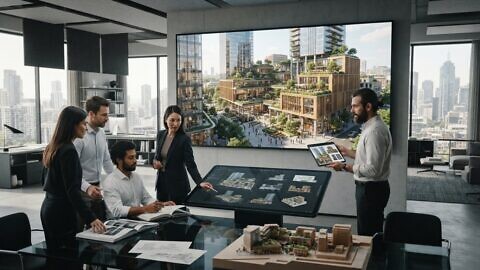
Production usually follows a sequence. First, the artist interprets the brief and establishes the subject, framing and visual style. They then create or adapt models, assign materials, set lighting and adjust the camera. Rendering converts these scene elements into an image; editing can then refine colour, contrast and compositing. Each stage affects the result, so a model or camera change may require another render.
CGI is used in entertainment, publishing, architecture and product communication. A property image can show a proposed interior with selected finishes, while a product scene can present an object from a controlled angle. Fashion designers can also explore clothing, fabric, silhouette and colour digitally. These capabilities help creative teams plan scenes that physical photography may not capture in the same way.
- Editorial imagery: An art-directed virtual scene can support a magazine feature, campaign or visual story. A conceptual landscape, for instance, can be built around the publication’s theme.
- Architecture: A digital building model can communicate form, materials and spatial relationships. Exterior views and interior scenes can focus attention on different design decisions.
- Products: A model can be rendered against several backgrounds or lighting setups. This makes it possible to create related images with a consistent visual treatment.
Blender is one example of CGI software, with capabilities spanning modelling, animation and rendering. The right tool depends on the scene, the artist’s workflow and the required output. A still image calls for a different production approach from an animation, which also requires attention to movement, timing and continuity.
Before choosing a visual approach, define what the image needs to communicate. A proposed building may require architectural detail; a product launch may depend on surface finish and scale; an editorial concept may prioritise atmosphere. Clear references, intended formats and review criteria give the artist practical direction. CGI can then serve as a communication tool, not simply a polished image.
A CGI photo editor is software for applying computer-generated imagery effects to photos and digital artwork. It is useful when a project starts with an existing photograph rather than a wholly virtual scene: generated elements or treatments can be incorporated while the original artwork remains part of the composition. The distinction is practical: some work builds a scene from digital models, while other work applies CGI effects to existing material.
Film offers another example of combining digital imagery with other visual material. James Cameron’s Titanic was released in 1997 and integrated a digital world into live action. That combination illustrates how CGI can operate alongside photographed material, rather than replacing every physical or recorded element. For an image maker, choosing between a fully generated scene and effects applied to a photo depends on what the visual needs to communicate, and on how the components should work together.
How is editorial CGI different from product CGI and editorial photography?
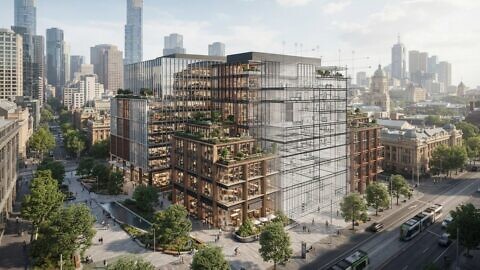
The difference starts with the image’s purpose. Editorial CGI builds a visual narrative around an idea, subject or publication theme. A property feature might place an unbuilt residence in a carefully composed landscape, using light, weather and camera position to establish atmosphere. The scene communicates a point of view rather than simply recording an object.
Product CGI focuses on the item itself. A digital chair model, for example, can show its shape, finish and details against a controlled background. The image prioritises product recognition and consistency across views. Editorial work can feature a product too, but places it within a broader concept, such as a chair in a dramatic imagined interior that supports a design story.
Editorial photography also serves a narrative, but starts with a camera capturing a physical scene. A photographer may arrange a room, select props and direct the lighting before taking the picture. CGI constructs the scene digitally instead. That distinction matters when the setting is imaginary, the building is unbuilt or a campaign needs deliberate control over every visual element.
Both methods involve creative decisions. Photography records the light and objects present during a shoot, while CGI artists create digital lighting, materials and geometry. A photographer can capture an existing façade in its actual surroundings; a CGI artist can depict a proposed façade with specified materials and an intended landscape. Each approach suits a different relationship between the image and reality.
- Choose editorial CGI when the concept needs a virtual setting, a future-facing scene or precise control over composition. A publication about sustainable housing could visualise a proposed home in a designed landscape.
- Choose product CGI when the object’s form, finish or features must remain the visual focus. A product team might need matching views of one digital model.
- Choose editorial photography when the story depends on real people, places or observed details. A photographer documenting a completed building can capture its actual setting and use.
Hybrid campaigns can combine photography and CGI. A real person, for example, can be photographed separately and composited into a digitally created environment. This brings human presence into a setting that cannot be photographed as a physical location. For the image to feel coherent, perspective, lighting and colour still need to match.
Before choosing a method, define what the audience needs to understand. If the brief centres on a real event, photography may provide the evidence. If it explains an unbuilt design or imagined concept, CGI can make that subject visible. A product-led image needs to keep the object clear; an editorial composition must also serve the story around it.
Independent animators and television producers used CGI in commercials and station logos in the late 1960’s and early 1970’s. Final Fantasy: The Spirits Within in 2001 was first theatrically released feature film with photorealistic CGI actors. Avatar in 2009 featured motion-captured actors in a fully CGI photorealistic environment.
What are examples of editorial CGI campaigns and projects?
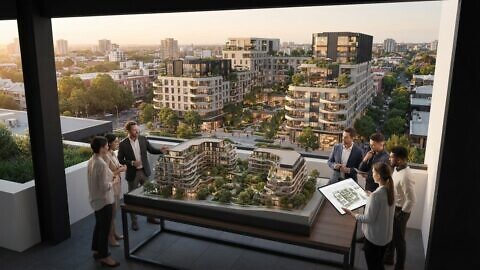
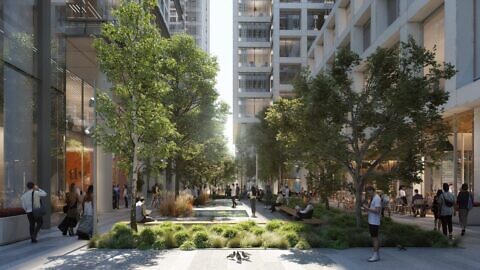
Editorial CGI can give visual form to a story with no camera-ready setting. Imagine a property magazine commissioning an image about low-impact urban living. A proposed apartment building could appear beside planted terraces and pedestrian routes, with the composition showing how the development relates to its surroundings. The scene supports an editorial argument rather than simply illustrating a completed property.
A design publication might use CGI to explore a material or architectural idea. A feature on reflective surfaces, for example, could centre on a conceptual pavilion, with changing light across glass and metal. The visual direction establishes mood and guides the viewer’s attention. Clear boundaries matter: the image should not imply that a proposed structure or feature already exists.
Product-led editorial campaigns can place an object within a wider visual narrative. A furniture feature, for instance, could position a digital chair in an imagined interior built around a particular design theme. The chair remains recognisable, while its setting adds context. By contrast, a sequence of clean product views would focus more directly on its form and finish.
A property marketing campaign could use a series of scenes to communicate different aspects of a development. An exterior image might show the building’s relationship with its street, while an interior scene expresses the intended atmosphere of a shared space. Consistent materials, lighting and camera language help connect the images. Accurate project information gives the visual story a reliable foundation.
- Magazine feature: A conceptual landscape can make an abstract theme, such as future housing, visible through an imagined built environment.
- Architecture article: A sectional or interior view can direct attention to a design principle, such as daylight entering a shared workspace.
- Campaign concept: A digitally constructed scene can place a product within an unusual setting that reinforces the creative idea.
- Development narrative: Related exterior and interior images can explain how a proposed property is intended to look and feel.
These are illustrative examples, not claims about specific published campaigns. What they share is a defined editorial purpose: each scene connects its subject to a larger message. Before production, the brief should identify the audience, publication context, image format and central idea. References to materials, architectural details or product design help the artist preserve accuracy while developing the intended mood.
For a property story, decide what the audience needs to understand from each image. Reviewing visual project examples can help you assess composition, atmosphere and subject treatment before shaping your own brief.
Line Creative
Line Creative helps you turn a visual brief into considered imagery for property, architecture or product stories. If an editorial CGI concept depends on an unbuilt space, a controlled setting or a distinct visual direction, 3D rendering and architectural visualisation can make the intended scene visible. CGI animation can extend the idea into motion where the story calls for it.
A clear brief gives production a firm foundation. Define the audience, central message, reference imagery and intended formats, then align the visual direction with the project’s actual design details. This keeps the final image purposeful and suited to its intended use.
If you’re developing a project, contact Line Creative to discuss your brief.
Shape your next visual brief
Make the next step a clear creative decision: identify what the audience should take away from the image. For editorial CGI, that central message can guide the visual concept, composition and level of detail. Keep the brief focused on the story the image needs to tell.
Gather relevant project references and note which elements must remain accurate. A concise direction gives the creative discussion a practical starting point and helps align decisions with the intended publication context.
With the purpose defined, you can move from concept to a focused production discussion. Contact Line Creative to discuss your project and take the next step with confidence.
Frequently Asked Questions
What should a CGI project brief define?
A CGI brief should define the image’s audience, purpose and delivery requirements. A publisher commissioning a cover image, for example, may need a different crop and focal hierarchy from a property team preparing images for an investor presentation. Specify formats, visual references, approval contacts and any usage restrictions. These details help the creative team align composition and output with the image’s role.
What should a United States editorial team prepare for a CGI commission?
An editorial team in the United States should prepare the creative direction, publication context and project materials needed to shape the scene. Identify the decision-makers and how feedback will be consolidated, so revisions follow a clear route. If the image depicts a real development or product, provide authoritative design references and flag details that must remain accurate. This gives the production team a practical basis for planning the visual approach.